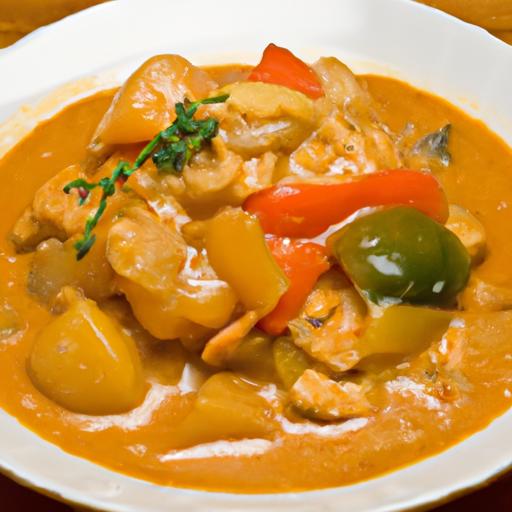


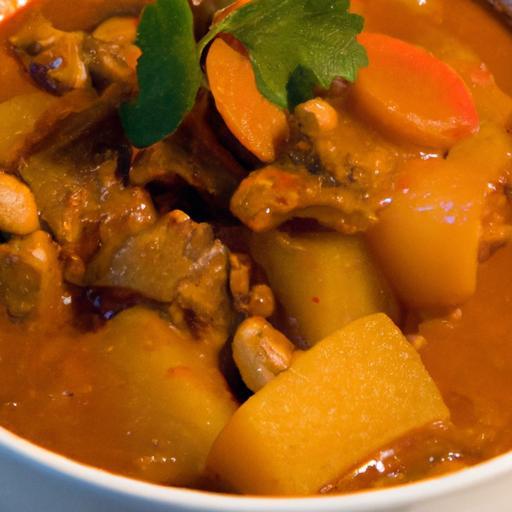
In the vibrant tapestry of Thai cuisine, few dishes tell a story as richly layered as Massaman curry. More than just a flavorful meal, this iconic Thai curry is a culinary bridge-woven from threads of history, culture, and spice that span continents and centuries. With its harmonious blend of tender meat, creamy coconut milk, and an alluring medley of spices, Massaman curry invites food lovers on a journey through ancient trade routes and cultural exchanges. Join us as we delve into the captivating origins and sumptuous flavors of Massaman curry, uncovering how this royal dish earned its place as a beloved classic on tables around the world.
Massaman curry Thai is a culinary treasure that intertwines the rich, aromatic spices of Indian cuisine with the vibrant, fresh ingredients characteristic of Thailand. As an emblematic dish, it tells a story of cultural exchange through centuries, blending influences to create a uniquely comforting flavor profile that’s both exotic and familiar.
prep and Cook Time
Preparation: 20 minutes | Cooking: 1 hour 15 minutes | Total: 1 hour 35 minutes
Yield
Serves 4 generous portions
Difficulty level
Medium – Ideal for home cooks ready to explore authentic Thai flavors with patient precision.
Key Ingredients That Define the Unique Flavor Profile
- Massaman curry paste: A harmonious mix of dried chilies,coriander seeds,cumin,cloves,nutmeg,and cinnamon embodied in a fragrant paste.
- coconut milk: Adds a luscious creaminess that balances the spices with subtle sweetness.
- Roasted peanuts: Ground and tossed in for crunch and nutty depth.
- potatoes and onions: Provide body and softness, absorbing all the complex flavors beautifully.
- Tamarind paste: offers a gentle tang that cuts through the richness.
- Fish sauce and palm sugar: Combine salty and sweet notes essential for authentic balance.
- Meat options: Traditionally beef or chicken, slow-cooked until tender.
Conventional Cooking Techniques for Authentic taste
the art of crafting massaman curry Thai begins with toasting the whole spices-like coriander seeds and cumin-to release their oils and deepen flavors before grinding them into a paste. Simmering the curry paste slowly in coconut milk ensures the spices bloom and meld into a velvety sauce. Gentle, long simmering of meat pieces with potatoes and peanuts allows every bite to soak in a symphony of taste. This method emphasizes patience, enhancing the curry’s rich, layered complexity.
Expert Tips for Perfecting Massaman Curry at home
- Toast spices fresh: Toast whole spices on low heat until fragrant for a vibrant curry paste.
- Use full-fat coconut milk: Its creaminess is key to achieving the characteristic silky texture.
- Balance sweet and salty: Adjust palm sugar and fish sauce gradually to suit your palate.
- Simmer gently: Avoid boiling vigorously to prevent coconut milk from curdling.
- Make ahead: Like many curries, massaman tastes even better the next day as flavors intensify.
- For vegetarian variation: Substitute meat with firm tofu or hearty root vegetables and use soy sauce instead of fish sauce.
Ingredients
- 2 tbsp massaman curry paste (homemade or store-bought with authentic spices)
- 1 can (400 ml) full-fat coconut milk
- 500g beef chuck or chicken thighs, cut into bite-sized pieces
- 2 medium potatoes, peeled and cubed
- 1 large onion, sliced
- 3 tbsp roasted peanuts, roughly chopped
- 2 tbsp tamarind paste
- 2 tbsp fish sauce
- 1 tbsp palm sugar, grated
- 2 kaffir lime leaves
- 1 cinnamon stick
- 3 cups water or beef broth
- Fresh cilantro and sliced red chili for garnish
Instructions
- Toast and prepare spices: If using whole spices, lightly toast them in a dry pan until aromatic; then grind or use a prepared massaman curry paste.
- Sauté curry paste: In a heavy-bottomed pot, heat 1/4 cup coconut cream over medium heat. Add the massaman curry paste and sauté until fragrant, about 2-3 minutes, stirring constantly to avoid burning.
- Add coconut milk: Pour in the remaining coconut milk and water or broth. stir to combine and bring to a gentle simmer.
- Incorporate meat: Add the beef or chicken along with cinnamon stick and kaffir lime leaves. Simmer partially covered for 45 minutes to 1 hour, until the meat is tender.
- Add vegetables and peanuts: Mix in potatoes, onions, and roasted peanuts. Continue simmering for 15-20 minutes until the potatoes are soft but not mushy.
- Season: Stir in tamarind paste, fish sauce, and palm sugar. Taste and adjust seasoning to achieve a perfect balance of sweet, salty, and sour.
- Final simmer: Let the curry cook uncovered for another 5 minutes to thicken slightly.
- Serve and garnish: Remove the cinnamon stick and kaffir lime leaves. Ladle into bowls and garnish with fresh cilantro leaves and sliced red chili for a pop of color and heat.
Chef’s Notes & Tips for Success
- Make your own curry paste: For the freshest flavor, blend toasted whole spices with dried chilies, garlic, shallots, and shrimp paste.
- Thickness adjustment: For a thicker sauce, reduce the liquid or add a small slurry of cornstarch and water towards the end.
- Peanut alternatives: Cashews can substitute roasted peanuts for a milder nutty taste.
- Storage: Refrigerate leftovers for up to 3 days or freeze for 1 month; flavors deepen over time.
- accompaniments: Offer steamed jasmine rice or roti bread to soak up the sumptuous sauce.
Serving Suggestions
Present your massaman curry Thai in rustic ceramic bowls to complement its earthy tones. Garnish generously with luminous cilantro and sliced red chilies for a striking contrast. A side of fluffy steamed jasmine rice is essential to absorb the rich curry sauce, while pickled vegetables or fresh cucumber slices can add refreshing acidity to the plate. For a festive meal, pair with lemongrass-infused iced tea or a light, crisp lager to balance the curry’s warmth.
| Nutritional Info (per serving) | Calories | Protein | Carbs | Fat |
|---|---|---|---|---|
| Massaman Curry Thai | 480 kcal | 35g | 22g | 28g |
Internal link: Dive deeper into authentic Thai cuisine with our Ultimate Thai Green Curry Recipe.
External link: explore the rich cultural history of Southeast Asian spices at Britannica – Spice Trade.

Q&A
Q&A: Massaman Curry Thai – A Rich Blend of History and Flavor
Q1: What exactly is Massaman curry, and what makes it unique among Thai curries?
A1: Massaman curry is a creamy, mildly spiced Thai dish that beautifully marries influences from Thai, Indian, and Muslim culinary traditions. Unlike fiery green or red Thai curries, Massaman is renowned for its slightly sweet, nutty flavor profile, often enriched with coconut milk, roasted peanuts, and warming spices like cinnamon and cardamom. It’s a curry that tells a story through its complex layers of taste, offering a comforting warmth rather than just heat.
Q2: How did Massaman curry find its way into Thai cuisine?
A2: The origins of Massaman curry trace back to the ancient trading routes between Thailand and the Middle East via Muslim merchants and Persian traders centuries ago. Its name is thought to derive from “Muslim” or “Mussulman,” reflecting its Islamic roots. This cultural exchange brought exotic spices and cooking methods that Thai cooks adapted into a uniquely local dish, blending Thai ingredients with foreign flair.
Q3: What are the key ingredients that give Massaman curry its distinctive flavor?
A3: At the heart of Massaman curry lies a fragrant paste combining dried chilies, lemongrass, galangal, shallots, garlic, and toasted spices such as cumin, coriander, cinnamon, cloves, and cardamom. Coconut milk lends richness, while potatoes and roasted peanuts add texture and earthiness.Protein choices often include beef,chicken,or tofu. The subtle interplay of sweet, savory, and mildly spicy notes makes every spoonful a harmonious blend of flavors.
Q4: How is Massaman curry traditionally served, and what dishes complement it?
A4: Typically served steaming hot with jasmine rice, Massaman curry is a hearty meal that balances creamy and savory elements. It pairs well with simple steamed vegetables or light salads, such as Thai cucumber salad, whose tanginess contrasts beautifully with the curry’s richness. For a full feast, it can be accompanied by fresh herbs and a squeeze of lime to brighten the palate.
Q5: Why has Massaman curry gained international popularity?
A5: Its approachable yet elegant taste appeals to a wide audience-balancing spice without overwhelming heat, and combining textures that are both soft and crunchy. For many newcomers to Thai food, Massaman is a gateway curry, introducing the magic of Thai flavors in a gentle, aromatic form. Moreover, its rich history fascinates food enthusiasts eager to explore the culinary crossroads of cultures.
Q6: Can Massaman curry be adapted for modern or dietary preferences?
A6: Absolutely! while traditional recipes often use beef, modern cooks experiment with chicken, lamb, or plant-based proteins like tofu and jackfruit. Vegan versions swap fish sauce for tamari or soy sauce and use coconut cream for extra indulgence. The dish’s robust spice blend and creamy texture make it versatile and forgiving, allowing cooks to tailor it while preserving its soul.
Q7: What lessons dose Massaman curry teach us about the relationship between food and culture?
A7: Massaman curry is a delicious reminder that food is a cultural tapestry-woven from trade, migration, and shared human experience. It showcases how flavors can travel, evolve, and unify diverse traditions into a singular, beloved dish. Eating Massaman curry is not just savoring a meal; it’s tasting history,connection,and the joy of culinary fusion.
insights and Conclusions
As the final spoonful of Massaman curry lingers on the palate, it leaves behind more than just a satisfying blend of spices-it offers a taste of history steeped in cultural exchange and culinary ingenuity.This rich and fragrant dish stands as a flavorful testament to Thailand’s openness to the world, where Persian influences meet indigenous traditions in a harmonious simmer. Whether you savor it in a bustling Bangkok market or craft it lovingly at home, Massaman curry invites you to explore the stories behind every bite-a delicious reminder that food is not just nourishment but a vibrant narrative waiting to be shared.