


There’s something undeniably magnetic about the sizzle of beef grilling over open flames, the tantalizing aroma wafting thru the air, and the vibrant tapestry of flavors that dance on your palate with every bite. Korean BBQ beef isn’t just a meal-it’s an experience, a festivity of culinary tradition and communal indulgence. Whether you’re a seasoned grill master or a curious foodie eager to explore new tastes, mastering the art of Korean BBQ beef opens the door to a world where bold marinades, tender cuts, and perfectly caramelized edges come together in perfect harmony. In this flavorful recipe guide, we’ll take you step-by-step through the secrets and techniques that turn simple beef into a mouthwatering masterpiece, inviting you to bring the heart of Korean cuisine right to your table.
Master the art of Korean BBQ beef begins with selecting the perfect cut that guarantees tender, juicy bites bursting with authentic flavor. Korean BBQ isn’t just a meal-it’s an experience rooted in tradition,communal dining,and bold,unforgettable tastes. Whether it’s your first time grilling or you’re refining your skills, understanding these essential elements will elevate your dish from good to spectacular.
Prep and Cook Time
Preparation: 20 minutes + 8 hours marinating
Cooking: 10 minutes
Yield
Serves 4-6 hungry guests
Difficulty Level
Medium – perfect for home cooks eager to impress with authentic flavors and technique
Ingredients
- 1 lb (450g) thinly sliced beef ribeye (preferably USDA choice or higher, trimmed)
- ½ cup soy sauce (Korean or low-sodium preferred)
- 3 tbsp brown sugar (light or dark for richer flavor)
- 2 tbsp sesame oil
- 2 tbsp minced garlic
- 1 tbsp ginger, finely grated
- 2 tbsp mirin (sweet rice wine) or substitute with sake
- ¼ cup grated Asian pear (adds natural tenderizing enzymes)
- 2 tbsp chopped green onions
- 1 tsp freshly ground black pepper
- 1 tbsp toasted sesame seeds
- Optional: 1 tsp gochujang (Korean chili paste, for subtle heat)
- Vegetable oil for the grill
Instructions
- Selecting and Preparing the Beef: If not pre-sliced, freeze beef for 30 minutes until firm, then slice thinly against the grain (about 1/8 inch thick). This ensures optimal tenderness and swift cooking.
- mix the Marinade: In a large bowl, combine soy sauce, brown sugar, sesame oil, garlic, ginger, mirin, grated Asian pear, green onions, black pepper, and optional gochujang. Stir until sugar is fully dissolved.
- Marinate the Beef: Add the sliced ribeye to the marinade, making sure every piece is evenly coated. Cover and refrigerate for at least 8 hours-overnight is best to unlock deep umami flavors and tenderize the meat beautifully.
- Prepare the Grill: Preheat your grill or cast-iron skillet to high heat. brush the grates lightly with vegetable oil to prevent sticking and promote that signature char.
- Grilling the Beef: Remove beef from marinade, shaking off excess. Grill slices in a single layer for 1-2 minutes per side. Pay close attention-thin slices cook quickly, so aim for a caramelized, slightly charred crust with a juicy interior.
- Rest and Garnish: after cooking, let the beef rest briefly on a warm plate, then sprinkle generously with toasted sesame seeds and extra chopped green onions.
Chef’s Notes
- Cut variations: Although ribeye is ideal, short rib (kalbi) or chuck eye can also work beautifully when thinly sliced and marinated well.
- Marinade Magic: The Asian pear is key-it not only sweetens but breaks down tough fibers. If unavailable, substitute with finely grated apple and a splash of pineapple juice.
- Make-Ahead: You can prepare the marinade a day ahead and store sealed in the refrigerator. Add beef slices right before marinating to keep them fresh.
- Grill Tips: Avoid overcrowding the grill to ensure even heat and prevent steaming-cook in batches if needed.
- Leftover Ideas: Use any extras to make a stir-fry with vegetables or Korean bibimbap bowls for a fresh twist.
Serving Suggestions
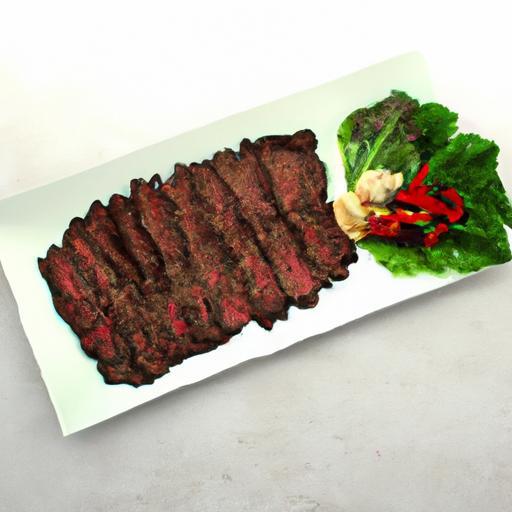
For an authentic Korean BBQ experience, serve the beef with warm steamed jasmine rice, crisp lettuce leaves for wrapping, and an array of classic banchan (side dishes) like kimchi, pickled radish, and spicy cucumber salad.Accompany with a dipping sauce made of sesame oil, salt, and a pinch of pepper. Garnish the platter with thinly sliced scallions and toasted sesame seeds for a stunning visual and textural contrast.

| Nutrient | Per Serving |
|---|---|
| Calories | 320 kcal |
| Protein | 35 g |
| Carbohydrates | 8 g |
| Fat | 18 g |
Looking to complement your Korean BBQ feast? Check out our authentic Korean banchan recipes for perfect side dishes that balance flavors. For a deeper dive into the science of marinating meat, explore this thorough guide by Serious Eats.
Q&A
Q&A: Master the Art of Korean BBQ Beef – A Flavorful Recipe Guide
Q1: What makes Korean BBQ beef so irresistibly flavorful?
A1: The magic lies in the marinade-a perfect blend of sweet, savory, and umami-rich ingredients like soy sauce, garlic, sesame oil, pear juice, and brown sugar. this combination not only tenderizes the beef but infuses it with layers of deep, mouthwatering flavor that caramelize beautifully over the grill.
Q2: Which cut of beef is best for authentic Korean BBQ?
A2: Thinly sliced ribeye or sirloin are the stars here. Their marbling ensures juicy, tender bites that cook quickly and evenly. For those seeking a leaner option, brisket works well, though it requires a slightly longer marinade to achieve maximum tenderness.
Q3: How long should I marinate the beef for the best results?
A3: Patience pays off! Ideally, marinate your beef for at least 4 hours or overnight. This gives the flavors time to penetrate deeply, resulting in melt-in-your-mouth tenderness and that signature Korean BBQ glaze.
Q4: Can I grill korean BBQ beef indoors or do I need an outdoor grill?
A4: Absolutely! While outdoor grilling adds a smoky charm, indoor grill pans or stovetop griddles work wonderfully. Just preheat your pan well to get that perfect sear and caramelization reminiscent of customary BBQ.
Q5: What sides and accompaniments should I prepare to complete the Korean BBQ experience?
A5: Think fresh and vibrant! Classic pairings include crisp lettuce wraps, tangy kimchi, pickled radishes, and steamed rice. Don’t forget the dipping sauces-ssamjang (a spicy soybean paste) adds a flavorful kick that ties the whole meal together.
Q6: Are there any tips to avoid common pitfalls when cooking Korean BBQ beef?
A6: Yes! Avoid overcrowding the grill, which can cause steaming rather than searing. Also, slice your beef thinly and keep an eye on cook time-it cooks fast! balancing the marinade’s sweetness and saltiness is key; taste as you go to find your perfect harmony.
Q7: Can this recipe be adapted for other meats or vegetarian options?
A7: Certainly! While beef is traditional, pork belly (samgyeopsal) is another Korean BBQ favorite.For vegetarian twists,try marinated mushrooms or tofu,using the same flavorful marinade to capture that classic taste.Mastering Korean BBQ beef is about embracing bold flavors, perfect technique, and a dash of patience. Fire up your grill, gather your friends, and savor the tasty journey of Korea’s most beloved BBQ tradition!
In Retrospect
As you close the chapter on mastering Korean BBQ beef, remember that this flavorful journey is as much about the experience as it is about the dish. Each marinade, each sizzle on the grill, and each bite carries the rich heritage of Korean cuisine, inviting you to savor tradition with every mouthful. Armed with these tips and recipes, you’re not just cooking-you’re creating a memorable celebration of taste and culture right in your own kitchen. So fire up the grill, gather your favorite sides, and let the art of Korean BBQ beef transform your meals into moments of delicious mastery.