
In the sun-drenched kitchens of Greece,where tradition meets bold flavors,a humble dip reigns supreme-Skordalia. This creamy garlic potato dip, a beloved staple of Greek cuisine, is much more than a simple accompaniment; it is a culinary celebration of history, culture, and comfort. with its luscious texture and vibrant garlicky punch, Skordalia has earned its place at tables from seaside tavernas to modern urban eateries.Join us as we explore the rich origins, versatile uses, and irresistible charm of Greece’s creamy garlic potato dip delight.
Skordalia is a classic Greek garlic potato dip that captures the essence of Mediterranean simplicity and bold flavors. Originating from Greece’s rich culinary traditions, this creamy, garlicky delight has been a staple in homes and tavernas for centuries, ofen served as a vibrant accompaniment to fried fish, roasted vegetables, or crusty bread. The rustic charm of Skordalia lies not only in its velvety texture but also in its celebration of humble ingredients transformed through time-honored techniques into a dish that embodies warmth, hospitality, and the spirit of Greek gatherings.
Prep and Cook Time
- Preparation: 15 minutes
- Cooking: 25 minutes
- Total time: 40 minutes
Yield
- Approximately 6 servings (about 1 cup each)
Difficulty Level
- Easy to Medium
Ingredients
- 2 large potatoes (about 500g), peeled and quartered
- 6 cloves fresh garlic, peeled
- 1/2 cup extra virgin olive oil (plus extra for drizzling)
- 3 tablespoons white wine vinegar (or lemon juice for a citrusy twist)
- 1/2 cup stale white bread, crust removed and soaked in water
- 1/2 cup cold water
- 1 teaspoon sea salt, or to taste
- Freshly ground black pepper to taste
Instructions
- Boil the potatoes: Place the peeled and quartered potatoes into a pot of salted water. bring to a boil,then simmer until tender when pierced with a fork,about 15-20 minutes. Drain well and allow to cool completely.
- Prepare the soaked bread: While potatoes cook, soak the crustless bread in cold water for about 5 minutes. Squeeze out excess water so the bread is damp but not soggy. This step adds creaminess without heaviness.
- Crush the garlic: Using a mortar and pestle or the flat side of a knife, crush the garlic cloves with a pinch of salt until you form a smooth paste. this helps mellow the raw sharpness and infuses the dip with intense garlic flavor.
- Combine base ingredients: In a large mixing bowl, mash the cooled potatoes with the soaked bread and garlic paste until smooth and lump-free. Using a fork or potato masher works well here; avoid food processors as they can make the dip gluey.
- Emulsify with olive oil and vinegar: Slowly drizzle the olive oil into the potato mixture while stirring vigorously to create a luscious, creamy texture.Add the vinegar gradually, tasting as you go, and season with salt and black pepper. Add cold water little by little if needed to loosen the consistency.
- Adjust and refine: Check the balance of flavors-garlic should be pronounced but harmonious, with a subtle tang from vinegar and the silky mouthfeel from olive oil.Chill in the fridge for at least 30 minutes before serving to let the flavors marry beautifully.
Chef’s Notes & Tips for Success
- Garlic intensity: To soften garlic’s pungency, briefly blanch the cloves or roast them before crushing. This will add a sweeter, milder note perfect for sensitive palates.
- Oil choice matters: Use a high-quality extra virgin olive oil to get the moast authentic flavor and creamy texture. Avoid rushing the emulsification process – patience is key!
- Bread alternatives: For gluten-free variations, substitute the soaked bread with a few tablespoons of cooked rice or almond flour for a similar body.
- Make ahead: Skordalia keeps well refrigerated for up to 3 days.bring to room temperature and whisk before serving for fresh creaminess.
- Consistency control: Adjust thickness by adding a splash of water or more olive oil; it should be rich yet spreadable.
Serving Suggestions
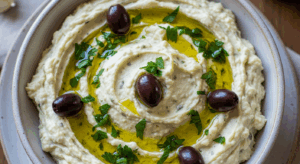
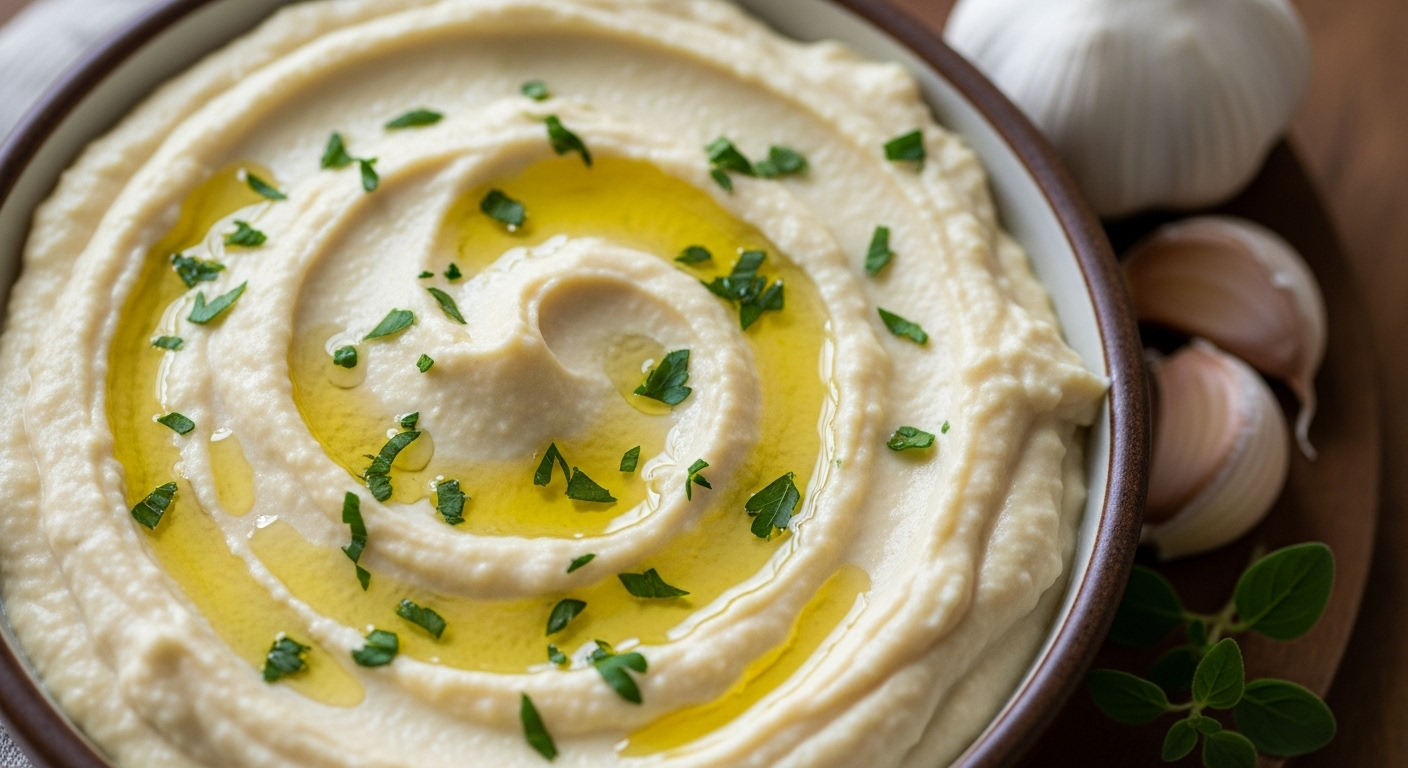
Present your beautiful Skordalia spread in a rustic ceramic bowl and drizzle the surface with extra virgin olive oil and a few fresh herbs like chopped parsley or dill for vibrant color contrast. This dip truly shines alongside crispy fried fish or grilled octopus, as well as roasted beets and crisp pita wedges. Skordalia also complements a meze platter featuring olives, feta cheese, and sun-dried tomatoes. For a visually stunning arrangement, garnish with a pop of paprika or thinly sliced radishes, served chilled or at room temperature to unlock its full aroma.

| Nutritional Info (per serving) | Value |
|---|---|
| Calories | 180 kcal |
| Protein | 3 g |
| Carbohydrates | 20 g |
| Fat | 10 g |
For an authentic dive into Mediterranean flavors and techniques, explore our Greek Meze Essentials guide. For further reading about the historical roots of garlic in Mediterranean cuisine, visit the authoritative Encyclopedia Britannica article on Garlic.
Q&A
Q&A: Skordalia – Greece’s Creamy Garlic Potato Dip Delight
Q1: What exactly is Skordalia?
A1: Skordalia is a luscious, creamy garlic dip that hails from Greece. Think of it as a velvety mash-up where garlic meets potatoes (or sometimes bread or nuts), blended into a silky spread that’s bold, luminous, and utterly addictive.It’s Greece’s answer to the ultimate garlic lover’s dream-comfort food with a punch!
Q2: What are the main ingredients in Skordalia?
A2: The star players are garlic and a starchy base such as boiled potatoes,soaked stale bread,or even ground walnuts or almonds. These mingling components are whipped together with olive oil and a splash of vinegar or lemon juice, creating a creamy dip that’s tangy, rich, and garlicky without overpowering.
Q3: How does Skordalia differ from other garlic dips?
A3: Unlike raw garlic sauces that can be sharp and fiery, Skordalia’s magic lies in its mellow, smooth texture and balanced flavor. The potatoes (or bread) soften the fierce garlic, while olive oil adds silkiness and acidity brightens the palate. It’s hearty, soothing, and perfect for dabbing, spreading, or dunking.
Q4: When and how is Skordalia traditionally served?
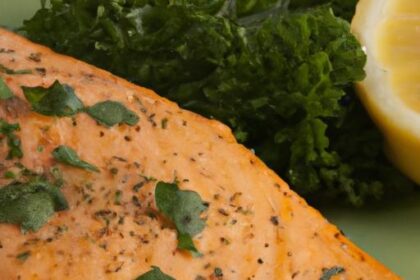
A4: In Greece, Skordalia is a versatile companion at the table. It often stars alongside fried fish, crispy vegetables, or as a dip for bread and crackers. During festive occasions or the quiet hum of family dinners, it adds a punch of flavor that brings people together, encouraging shared bites and lively conversation.
Q5: Can Skordalia be customized or adapted?
A5: Absolutely! While the classic version sticks to the conventional formula, modern cooks experiment by adding herbs like dill or parsley, swapping potatoes for cauliflower to lighten it up, or incorporating nuts for extra texture. It’s a blank canvas bursting with garlicky potential.
Q6: is Skordalia healthy?
A6: Yes, in its essence, Skordalia is wholesome. Garlic provides antioxidants and immune-boosting benefits, olive oil offers heart-healthy fats, and potatoes add comforting carbs. Moderation is key-as with any rich dip-but its fresh ingredients make it a better choice than manny processed spreads.
Q7: How can someone make Skordalia at home?
A7: Making Skordalia is surprisingly simple and rewarding. Boil peeled potatoes until soft,mash them with plenty of crushed garlic,slowly drizzle in olive oil while stirring,then finish with a splash of vinegar or lemon juice,salt,and pepper.Adjust the garlic and acidity to your liking, and voilà-a creamy Greek garlic dip ready to wow your taste buds!
Q8: Why should Skordalia be on everyone’s culinary radar?
A8: Skordalia is more than just a dip-it’s a gateway to Greek culture and flavor, a celebration of humble ingredients elevated with passion and tradition. It invites you to savor garlic like never before: creamy, balanced, and downright comforting. Once you try it, you’ll wonder how you lived without this garlicky gem!
to sum up
Whether you’re seeking a zesty appetizer or a velvety sidekick to your favorite Mediterranean dishes, Skordalia stands out as Greece’s luscious tribute to garlic and potatoes. This creamy dip, with its rich history and vibrant flavor, invites you to savor a spoonful of tradition that’s both humble and unforgettable. So next time you crave something simple yet sumptuous, let Skordalia transport your taste buds to sun-kissed Greek tables-where every bite tells a story of warmth, community, and culinary artistry.