

Beneath the steamy surface of a humble bowl of ramen lies a rich tapestry woven from centuries of history, culture, and culinary artistry. More than just a fast meal, ramen is Japan’s beloved icon-a dish that has journeyed from its mysterious origins too capture the hearts and palates of food lovers worldwide. In this exploration, we’ll unravel the layers of broth, noodles, and toppings to reveal ramen’s true essence: a harmonious symphony of flavors born from tradition, innovation, and the meticulous craft of master noodle makers. Join us as we dive deep into the art and origins of Japan’s iconic noodle, unlocking the secrets behind every satisfying slurp.
Ramen Revealed: The Art and Origins of Japan’s Iconic Noodle takes you on a fascinating culinary journey, tracing the evolution of this beloved dish from its chinese roots to the soul-satisfying staple found in Japanese kitchens around the world today.The enchanting aroma of simmering broth, the springy texture of perfect noodles, and the harmony of toppings are what make ramen an irresistible experience.Here, we dive deep into crafting that perfect bowl, transforming humble ingredients into an extraordinary feast.
Prep and Cook Time
- Readiness: 30 minutes
- cooking: 4 hours (primarily for broth)
- Total: Approximately 4 hours 30 minutes
Yield
Serves 4 generous bowls
Difficulty Level
Medium – Advanced (due to broth preparation but approachable with clear steps)
Ingredients
- For the Broth:
- 2 lbs pork bones (preferably leg and neck bones)
- 1 lb chicken carcass or wings
- 1 large onion, halved
- 1 head of garlic, halved horizontally
- 1 thumb-size piece of ginger, sliced
- 2 dried shiitake mushrooms
- 10 cups cold water
- 1 tbsp sake
- 2 tbsp soy sauce (for seasoning)
- Salt to taste
- For the Noodles:
- 400g fresh ramen noodles (medium thickness, slightly firm)
- Toppings:
- 4 soft-boiled eggs (ajitsuke tamago)
- 200g chashu pork, sliced thinly
- 1 cup bamboo shoots (menma), marinated
- 4 green onions, finely chopped
- 1 sheet nori seaweed, cut into strips
- 1 tsp toasted sesame seeds
- Optional: pickled ginger or spicy chili oil
Instructions
- Prepare the broth: Rinse pork and chicken bones under cold water to remove any impurities. Place them in a large stockpot and cover with cold water. Bring to a rolling boil for 10 minutes, then drain and rinse the bones to discard scum and unwanted flavors.
- Simmer the broth: Return cleaned bones to the pot with 10 cups of fresh cold water. Add onion, garlic, ginger, dried shiitake mushrooms, and sake. Bring to a gentle boil, then reduce to a low simmer, uncovered, for 4 hours. Skim any foam or fat that rises. This slow simmer extracts deep umami and richness.
- Strain the broth: After simmering, strain the broth through a fine sieve into another pot or large bowl. Discard solids. Season with soy sauce and salt to taste-adjust seasoning thoughtfully to balance saltiness and depth.
- Cook the noodles: Bring a large pot of water to a rolling boil. Add fresh ramen noodles and cook according to package instructions (usually 2-3 minutes) until just firm (al dente). Drain instantly and rinse lightly with warm water to stop cooking while preserving texture.
- Assemble the bowls: Divide noodles evenly into 4 warm bowls. Ladle hot broth over the noodles until covered.
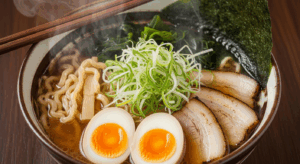
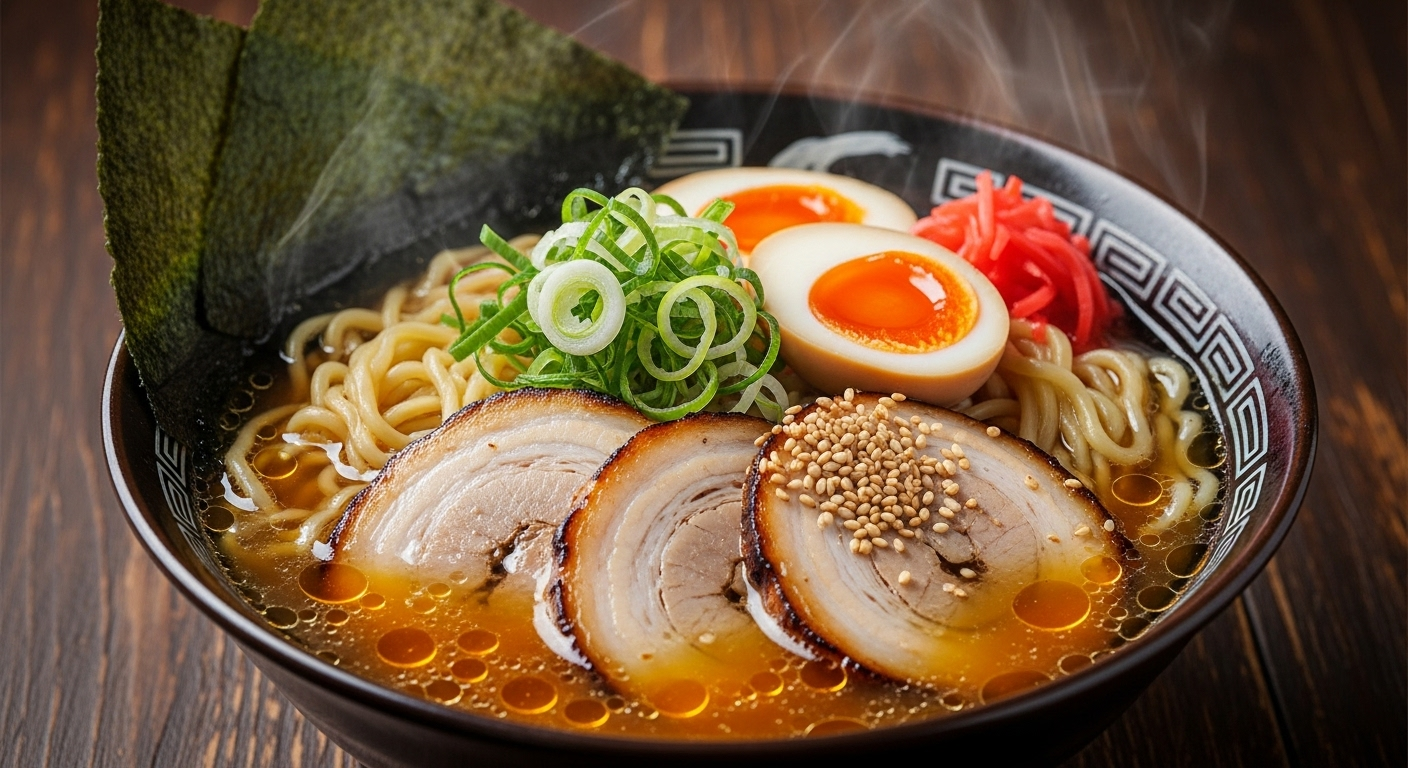
- Add toppings: Arrange sliced chashu,halved soft-boiled eggs,bamboo shoots,chopped green onions,and nori strips artfully atop the noodles. Sprinkle toasted sesame seeds for a fragrant finish.
- Serve immediately: Offer optional pickled ginger or chili oil on the side for guests to personalize their bowls.
Tips for Success
- Broth Clarity: Thoroughly blanching the bones and skimming foam prevents cloudiness, ensuring a lustrous, golden broth that delights the eyes as much as the palate.
- Noodle texture: Seek out fresh ramen noodles; if unavailable, dried can be used but will require careful timing to avoid mushiness.
- Chashu Shortcut: Use pre-cooked pork belly from your local Asian market if pressed for time; just warm thin slices before serving.
- Make ahead: Broth can be made 2 days in advance, stored in the fridge to deepen flavors; skim fat before reheating to lighten texture if desired.
- adjust broth saltiness carefully; flavors concentrate as broth cools, so season lightly at first and re-check after resting.
Serving Suggestions
Serve ramen in wide, shallow bowls to showcase vibrant toppings and invite diners to savor each slurp. Accompany with a small dish of pickled vegetables for contrast. Pair with chilled sake or a green tea to cleanse the palate between bites. A drizzle of chili oil adds a warming spark perfect for cozy evenings.

| Nutritional Info (per serving) | Calories | Protein | Carbs | Fat |
|---|---|---|---|---|
| Ramen Bowl | 650 kcal | 35 g | 60 g | 22 g |
For a detailed guide on ramen noodle varieties and how to select the right noodle texture, explore our related article.To dive deeper into the science of umami in broths, check out this detailed study by the National Institutes of Health.
Q&A
Q&A: Ramen Revealed – The Art and Origins of Japan’s Iconic Noodle
Q1: what exactly is ramen, and why has it become so iconic in Japan and beyond?
A1: Ramen is more than just a bowl of noodles swimming in broth; it’s a culinary symbol of Japanese comfort food that beautifully marries simplicity with complexity. Combining Chinese wheat noodles with rich, flavorful broths and an array of toppings, ramen has evolved into an art form that reflects regional tastes and cultural history. Its iconic status stems from its versatility, soul-satisfying warmth, and the cultural stories embedded in each bowl.
Q2: Where did ramen originally come from, and how did it reach Japan?
A2: Though ramen is now quintessentially Japanese, its roots trace back to China. In the late 19th to early 20th century, Chinese immigrants brought wheat noodles to Japan, where local chefs modified recipes to suit Japanese palates and ingredients. Over time, ramen transformed from a humble street food into a nationwide phenomenon, embodying Japan’s knack for adaptation and refinement.Q3: What makes ramen broth so essential, and how do different broths define the dish?
A3: The broth is the soul of ramen-its foundation and flavor beacon. from the creamy, pork-bone richness of tonkotsu to the soy-sauce depth of shoyu, or the subtle saltiness of shio and the hearty miso variations, each broth carries a distinct personality. Crafting broth is a painstaking process, frequently enough simmered for hours or days, extracting layers of umami that invite you to savor every sip.
Q4: How have toppings evolved, and what are some classic and unique examples?
A4: Toppings are the artistic flair of ramen bowls, turning each serving into a carefully composed masterpiece. Traditional toppings include chashu (braised pork belly), menma (fermented bamboo shoots), soft-boiled eggs, nori (seaweed), and scallions. Modern chefs experiment with everything from corn and butter in Hokkaido-style bowls to spicy minced meat or seafood, ensuring that ramen remains endlessly exciting and personal.
Q5: Why is ramen considered an art form in Japanese culture?
A5: Ramen blends culinary technique, cultural history, and individual creativity-qualities that elevate cooking into art.The precision in noodle texture, the harmony of broth and toppings, and the presentation all require skill and passion. Moreover, ramen chefs often guard their recipes closely, highlighting the craft’s dedication and reverence.Eating ramen becomes an immersive experience, inviting diners to appreciate the culmination of craftsmanship and cultural storytelling.
Q6: How has ramen influenced global food culture?
A6: Ramen’s global journey mirrors its adaptable nature. From trendy Tokyo streets to New York’s bustling food scenes, ramen has sparked a worldwide love affair. Its approachable yet profound flavors allow chefs internationally to reinterpret it creatively while honoring the traditional spirit. Instant ramen’s invention also democratized the dish, making it accessible and beloved worldwide-proof that a humble noodle bowl can unite cultures and inspire culinary exploration.
Q7: What tips would you give to someone wanting to experience authentic ramen?
A7: For that true taste of ramen’s heart, seek out specialty shops where broth is simmered daily and noodles are handmade or freshly crafted. Observe the regional styles: savor the rich tonkotsu from Fukuoka, the miso-infused bowls of Sapporo, or the lighter soy-based flavors of Tokyo. Be patient and open-it’s not just a meal but a ritual steeped in tradition. And remember, the best ramen is often found where passion meets patience, in small, tucked-away shops buzzing with local patrons.
concluding remarks
As the steam rises from your bowl and the rich,savory flavors dance across your palate,it’s clear that ramen is far more than just a meal-it’s a cultural tapestry woven from history,innovation,and tradition.From its humble beginnings as a humble street food to its revered status as a culinary art form, ramen tells a story of Japan’s resilience and creativity. Each slurp carries echoes of the past, whispers of regional pride, and the passion of countless chefs dedicated to perfecting the craft. So next time you twirl those noodles or savor a spoonful of broth, remember you’re partaking in a timeless ritual-one that continues to evolve while honoring its origins. In the world of noodles, ramen reigns supreme, a delicious testament to the art and heart of Japanese cuisine.