

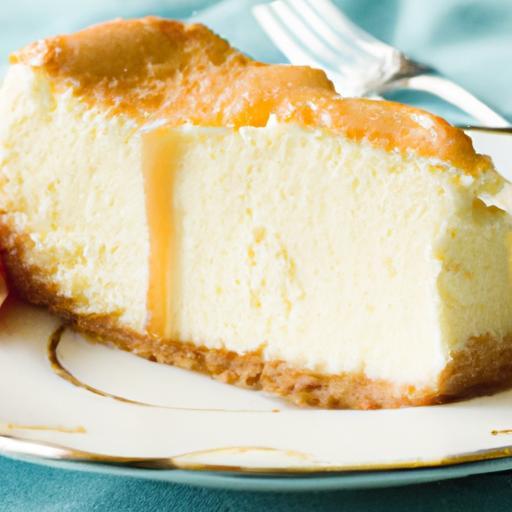
In the world of desserts, few treats capture the imagination quiet like Japanese cotton cheesecake-a delicate cloud of sweetness that melts effortlessly on the tongue.Known for its ethereal lightness and subtle tang, this soufflé-like confection is a harmonious blend of art and science. Behind its fluffy texture lies a meticulous technique, where precision and patience transform simple ingredients into a masterpiece of softness and flavor. Join us as we explore the captivating journey of the Japanese cotton cheesecake, unraveling the secrets that make it a beloved delight and a testament to culinary craftsmanship.
Fluffy delight begins with truly understanding the delicate interplay of texture and flavor that makes Japanese cotton cheesecake irresistibly unique. Unlike conventional cheesecakes, this ethereal treat balances the richness of cream cheese with a cloudlike lightness reminiscent of a sponge cake, offering a melt-in-the-mouth experience that captivates first bites and lingers lovingly on the palate.
Originating from Japan’s innovative baking culture, this soufflé-style cheesecake requires precision and care-yet with the right guidance, anyone can master its signature fluffiness and subtle sweetness. Through expertly selecting premium ingredients and honing techniques such as folding and steaming, you unlock a texture that’s both airy and luxuriously creamy, avoiding the dense heaviness typical of Western-style cheesecakes.
Prep and Cook Time
- Preparation: 25 minutes
- Baking: 50 minutes
- Cooling & Setting: 1 hour
Yield
Serves 8 elegantly sized slices-perfect for sharing or savoring over a relaxing afternoon tea.
Difficulty Level
Medium – Requires attention to detail, especially when whipping egg whites and folding batter.
Ingredients
- 250g cream cheese, softened to room temperature
- 50g unsalted butter, melted and cooled
- 100ml whole milk, warm
- 60g cake flour, sifted
- 20g cornstarch, sifted
- 6 large eggs, separated at room temperature
- 140g granulated sugar, divided
- 1 tsp lemon juice or rice vinegar
- ¼ tsp cream of tartar or a pinch of salt (optional, stabilizes egg whites)
- Powdered sugar for dusting (optional)
Instructions
- Preheat your oven to 320°F (160°C).Line a 7-inch (18cm) springform pan with parchment paper, wrapping the outside with aluminum foil to prevent water seepage during the water bath.
- In a medium bowl, beat cream cheese until smooth using a hand mixer. gradually add the melted butter and warm milk, mixing gently until homogeneous and glossy.
- Sift cake flour and cornstarch over the cream cheese mixture, folding carefully to avoid lumps and maintain aeration.
- Separate the egg yolks and whites.Whisk the yolks into the batter one at a time,stirring gently but thoroughly to combine.
- In a clean, dry bowl, whip egg whites with lemon juice and cream of tartar until frothy. slowly add half the granulated sugar while continuing to beat to soft peaks.
- Increase speed and whip in remaining sugar until stiff peaks form-this is crucial for capturing the light texture central to the Fluffy Delight.
- Fold one-third of the meringue into the batter energetically to lighten it, then gently fold in the remainder in two additions using a spatula. Use wide, sweeping motions to avoid deflating the mixture.
- Pour the batter into the prepared pan, tapping gently to release large air bubbles.
- Prepare a water bath: Place the pan in a larger roasting pan and pour hot water halfway up the sides. Carefully transfer to the oven and bake for 50 minutes or until the top is lightly golden and a skewer inserted in the center comes out clean.
- Turn off the oven and leave the cheesecake inside with the door slightly ajar for 15 minutes to prevent sudden temperature changes,which could cause cracking.
- Remove from the oven and water bath, then cool entirely on a wire rack. Chill for at least 1 hour before serving.
- Optionally dust with powdered sugar and garnish with fresh berries or edible flowers for an elegant presentation.
Tips for Success
- Ingredient temperature matters: Room temperature eggs and softened cream cheese blend more evenly, ensuring a smooth batter.
- Beat egg whites carefully: Over or under-whipping impacts structure. Look for glossy, stiff peaks without dryness.
- Fold with care: Incorporate air while protecting it-using a gentle lift-and-turn technique preserves volume.
- Use a water bath: The steam creates a moist habitat that prevents cracking and promotes tender crumb.
- Don’t rush cooling: Sudden temperature shifts cause collapse, so gradual cooling is key to maintaining height.
- Experiment with flavors: Subtle additions like vanilla bean paste or yuzu zest can enhance authenticity while personalizing your Fluffy Delight.
- Make ahead: The cheesecake improves with chilling; prepare a day before to serve perfectly set slices.
Serving Suggestions
Present your Fluffy Delight on a pristine white porcelain plate to amplify its delicate silhouette. Lightly dust with powdered sugar and top with seasonal fruits like strawberries,blueberries,or a sprig of fresh mint for color contrast. pair with a mild, fragrant tea such as jasmine or hojicha to balance the sweet creaminess. For an added layer of indulgence,serve alongside a small dollop of homemade whipped cream or a drizzle of honey.

| Nutrient | Per Serving |
|---|---|
| Calories | 220 kcal |
| Protein | 6g |
| Carbohydrates | 22g |
| Fat | 12g |
For further exploration of Japanese baking techniques, check out our Japanese Baking Basics article. Additionally, the science of cake texture offers fascinating insights into the protein and starch interactions crucial to mastering this dessert.
Q&A
Q&A: Fluffy Delight – The Art and Science of Japanese Cotton Cheesecake
Q1: What makes Japanese cotton cheesecake so unique compared to traditional cheesecakes?
A1: Unlike the dense, rich texture of classic Western cheesecakes, Japanese cotton cheesecake is ethereally light and airy-almost like biting into a sweet, creamy cloud. This delicate softness comes from a unique recipe that blends cream cheese with whipped egg whites, creating a soufflé-like, melt-in-your-mouth experience that sets it apart.
Q2: How is the “cotton” texture achieved in this cheesecake?
A2: The signature fluffiness is primarily due to the technique of folding stiffly beaten egg whites-also known as meringue-into the cream cheese batter. This aeration traps air bubbles, which expand gently during baking, giving the cake its soft, sponge-like structure without sacrificing the creamy, tangy flavor of the cheese.Q3: Is there a particular baking method involved to keep the cake so soft?
A3: Yes! Japanese cotton cheesecake is typically baked in a water bath (bain-marie), which provides a gentle, even heat that prevents cracking and helps maintain moisture. The steam from the water bath infuses the cake with tenderness, allowing it to rise gracefully and remain moist yet stable.
Q4: What ingredients are essential for an authentic Japanese cotton cheesecake?
A4: Key ingredients include cream cheese (for richness),eggs (for structure and fluffiness),sugar (for sweetness),cake flour or cornstarch (for lightness),butter (for smoothness),and milk (to balance texture). Some recipes add a splash of lemon juice or vanilla extract to subtly enhance flavor and freshness.
Q5: Can the art of making Japanese cotton cheesecake be mastered at home?
A5: Absolutely! While it requires gentle hands and patience-especially when folding the meringue-any dedicated home baker can achieve a delightful cotton cheesecake. The secrets lie in perfectly whipping the egg whites to soft peaks and folding them carefully to preserve airiness, plus mastering the gentle water bath baking technique.
Q6: Why has Japanese cotton cheesecake become so popular worldwide?
A6: Aside from its enchanting texture and light flavor, this cheesecake embodies a balance of culinary art and science. It’s a symbol of Japanese attention to detail,precision,and appreciation for subtlety. Its relatively lower sweetness and density make it a refreshing option for dessert lovers seeking something new and elegant.Q7: Are there variations or twists on the traditional Japanese cotton cheesecake?
A7: Indeed! Creative bakers experiment by adding matcha powder for a vibrant green hue and earthy flavor, incorporating fresh fruit purees, or even infusing it with yuzu citrus for a zesty zing.Each variation maintains the core fluffy essence while delighting the palate with new layers of taste.
Q8: How shoudl Japanese cotton cheesecake be served and stored?
A8: Best enjoyed slightly chilled for a cool, tender bite. It pairs beautifully with light teas or sparkling beverages. Store leftovers wrapped tightly in the refrigerator to preserve moisture-just be mindful it’s most delightful within a few days, as its fluffiness diminishes over time.
Dive into making your own Japanese cotton cheesecake and experience firsthand the exquisite blend of culinary precision and whimsical delight that has captivated dessert aficionados around the globe!
In Summary
As the final forkful of Japanese cotton cheesecake melts effortlessly on the tongue, we come to appreciate that this delicacy is much more than a dessert-it is a delicate dance between art and science. From its airy, cloud-like texture to the precise balance of sweetness and tang, every bite tells a story of meticulous technique and cultural tradition.Whether you’re a seasoned baker or a curious food lover, embracing the craft behind Fluffy Delight invites you to experience a slice of Japan’s culinary ingenuity. So next time you crave something light yet indulgent, remember: beneath that billowy surface lies a masterpiece waiting to be savored.