

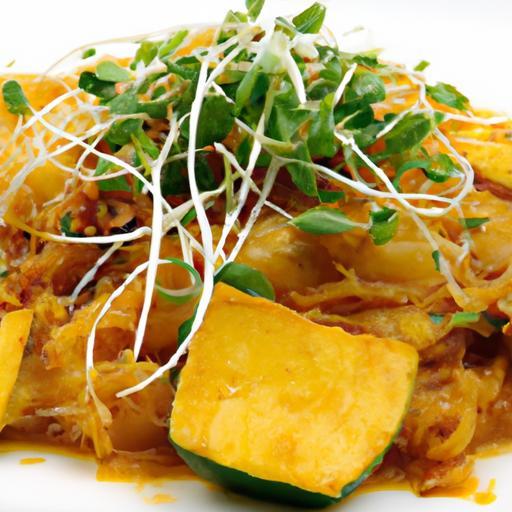
When it comes to beloved comfort foods, few dishes can rival the bold, tangy flavors of customary Pad Thai. But what if you could enjoy this iconic Thai street food with a lighter, more nutrient-packed twist? Enter spaghetti squash – nature’s clever little vegetable that mimics the texture of noodles while packing a fraction of the calories and carbs. In this article, we’ll explore how to transform classic Pad Thai into a wholesome, vibrant meal by swapping in spaghetti squash for rice noodles. Prepare to indulge your taste buds without the guilt, as we dive into a recipe that marries health-conscious choices with authentic, mouthwatering flavour. Whether you’re a longtime Pad Thai lover or simply seeking a fresh way to savor your favorite dish, this lighter twist is sure to become a new staple on your dinner table.
Spaghetti Squash Pad Thai: A Lighter Twist on a Classic
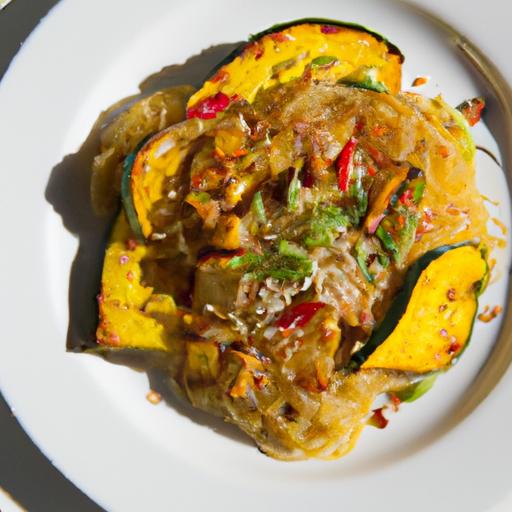
Spaghetti Squash Pad Thai offers a vibrant and nourishing take on the iconic Thai dish by replacing traditional rice noodles with the naturally low-carb, stringy texture of spaghetti squash. This ingenious swap not only enhances the meal’s nutritional profile but also brings a delightful freshness and gentle sweetness that beautifully complements the tangy, savory Pad Thai sauce. Whether you’re seeking a gluten-free option or simply want a lighter meal without sacrificing flavor, this recipe invites you to explore the bright, aromatic world of Thai cuisine in an accessible, healthful way.
prep and Cook Time
Preparation: 15 minutes | Cooking: 40 minutes | Total Time: 55 minutes
Yield
Serves 4 generous portions
Difficulty Level
Easy – Ideal for beginners looking to impress with vibrant, fresh flavors and intuitive techniques.
Ingredients
- 1 medium spaghetti squash (about 3 pounds)
- 2 tablespoons avocado oil or vegetable oil
- 3 garlic cloves, minced
- 1 large egg, lightly beaten
- 8 ounces peeled shrimp or firm tofu, cubed (optional)
- 3 green onions, sliced thin
- 1 cup bean sprouts, rinsed and drained
- ¼ cup crushed unsalted peanuts
- 1 lime, cut into wedges
- Fresh cilantro, chopped, for garnish
- For the Pad Thai Sauce:
- 3 tablespoons tamarind paste
- 3 tablespoons fish sauce (or tamari for vegetarian)
- 2 tablespoons light brown sugar, packed
- 1 tablespoon fresh lime juice
- 1 teaspoon chili garlic sauce or Sriracha (adjust to taste)
Instructions
- Prepare the spaghetti squash: Preheat your oven to 400°F (200°C). Using a sharp knife, carefully cut the spaghetti squash in half lengthwise. Scoop out the seeds and stringy pulp with a spoon. Drizzle the inside lightly with 1 tablespoon of avocado oil and sprinkle with salt.
- Place the halves cut-side down on a parchment-lined baking sheet. Roast for 35-40 minutes until the flesh is tender but not mushy. You should be able to pierce it easily with a fork.
- Once roasted and cool enough to handle, use a fork to scrape out the flesh into spaghetti-like strands. Set aside.
- Make the Pad Thai sauce: In a small bowl, whisk together tamarind paste, fish sauce, brown sugar, lime juice, and chili garlic sauce until smooth and balanced in flavor. Adjust sweetness or heat as preferred.
- Cook the protein: Heat the remaining tablespoon of oil over medium heat in a large skillet or wok. Add minced garlic and sauté until fragrant, about 30 seconds. Add shrimp or tofu, cooking until shrimp are pink and opaque or tofu is golden, about 3-4 minutes. Push to one side.
- Add the beaten egg to the pan and scramble gently, cooking until just set.
- Combine and finish: Toss in the spaghetti squash strands and pour the Pad Thai sauce over everything. Stir-fry on medium-high heat for 2-3 minutes, ensuring the sauce evenly coats the strands without making them soggy.
- Fold in sliced green onions and bean sprouts, cooking for an additional minute to maintain their crispness.
- Serve promptly with crushed peanuts,lime wedges,and fresh cilantro generously sprinkled on top for a burst of flavor and texture contrast.
tips for Success
- Roasting the squash: Make sure not to overcook the spaghetti squash; it should be tender yet hold its strands separately for a perfect noodle-like texture.
- Protein options: To keep it vegetarian, swap shrimp with firm, pressed tofu or tempeh. For added depth, marinate tofu briefly in soy sauce and lime juice before cooking.
- Sauce balance: Pad Thai sauce is all about balance. Taste and tweak the tamarind’s tartness, sugar’s sweetness, or chili’s spice to suit your palate.
- Make ahead: You can roast the spaghetti squash and prep the sauce up to two days in advance for quicker assembly on the day.
- Visual appeal: Garnish with vibrant lime wedges, bright green cilantro, and crunchy chopped peanuts to create an inviting and colorful plate.
Serving Suggestions
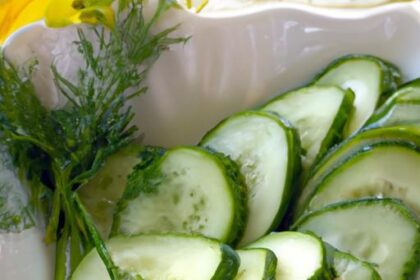
Serve your spaghetti squash Pad Thai immediately to enjoy the perfect contrast of warm, tender squash and crisp fresh toppings. Accompany it with a simple cucumber salad dressed in rice vinegar or a light, aromatic thai iced tea for an authentic mealtime experience. Add extra bean sprouts or thinly sliced bell peppers on the side for an even fresher crunch. For an elegant presentation, layer the noodles in a wide bowl, then artfully scatter the garnishes on top, capturing the vibrant colors and textures that make this dish a feast for both eyes and palate.

Nutrition Facts
| Nutrient | Per Serving |
|---|---|
| Calories | 320 kcal |
| Protein | 22 g |
| carbohydrates | 28 g |
| Fat | 12 g |
For more recipes that bring a healthy spin to traditional Asian favorites, check out our Healthy Thai Recipes Collection. For an in-depth look at the nutritional benefits of spaghetti squash, visit the Nutrition Value database.
Q&A
Q&A: Spaghetti Squash Pad Thai – A Lighter Twist on a Classic
Q1: What inspired the idea of using spaghetti squash in Pad Thai?
A1: Traditional Pad Thai is beloved for its bold flavors and satisfying noodles, but it can be quite carb-heavy. Enter spaghetti squash-a naturally noodle-like vegetable that brings a light, slightly sweet crunch and a nutritious boost. This twist keeps the heart of the dish intact while making it fresher and lighter.
Q2: How does spaghetti squash change the texture and taste of Pad Thai?
A2: Spaghetti squash offers a tender yet slightly crisp texture, acting as a perfect vessel for the tangy, spicy sauce.It’s milder than rice noodles, allowing the bold flavors of tamarind, lime, and chili to shine through even more distinctly.The subtle sweetness of the squash also adds a delicate contrast to the savory elements.
Q3: Is spaghetti squash a good substitute for noodles nutritionally?
A3: Absolutely! Compared to traditional rice noodles, spaghetti squash is low in calories and carbohydrates but high in fiber and vitamins like A and C. It’s a fantastic option for those seeking a gluten-free, lower-carb alternative without sacrificing the fun and familiar noodle experience.Q4: Can you still achieve the authentic Pad Thai flavor with this twist?
A4: Yes, the secret lies in the sauce and aromatics. By sticking to classic ingredients like tamarind paste, fish sauce, palm sugar, garlic, and fresh herbs, you preserve the dish’s signature flavor. The spaghetti squash simply acts as a fresh canvas, so every bite bursts with that beloved balance of sweet, sour, salty, and spicy.
Q5: What are some tips for preparing the spaghetti squash for Pad Thai?
A5: Roasting the spaghetti squash is key to developing its natural sweetness and easily shredding it into strands.After roasting,use a fork to gently separate the strands and drain any excess moisture for a perfect noodle texture that absorbs the sauce beautifully without becoming soggy.
Q6: Can this recipe be adapted for vegetarians or vegans?
A6: Definitely! Swap fish sauce for soy sauce or tamari and opt for tofu or tempeh instead of shrimp or chicken. throw in extra veggies like bell peppers or snap peas for crunch, and you’ve got a vibrant, plant-powered Pad Thai that’s just as satisfying.
Q7: Who would benefit most from trying Spaghetti Squash Pad Thai?
A7: This dish is perfect for anyone wanting to enjoy a classic Thai favorite without the heaviness of traditional noodles-whether you’re watching your carb intake, aiming for more veggies, or simply craving a fresh culinary adventure. It’s a delicious way to eat lighter without compromising on flavor or fun!
With its vibrant flavors and healthful makeover, Spaghetti Squash Pad Thai invites you to savor every bite-no guilt attached. Ready to dig in? Your lighter, zestier Thai feast awaits!
Final Thoughts
Whether you’re seeking a noodle swap that doesn’t skimp on flavor or simply eager to add more vibrant veggies to your plate, Spaghetti Squash Pad Thai offers a delightful and nutritious spin on the beloved classic. This lighter twist embraces the tangy, savory notes you know and love, all while bringing a fresh, wholesome crunch to every bite. So next time you crave that satisfying Pad Thai experience without the heaviness, let the golden strands of spaghetti squash lead the way-proving that healthy and delicious can coexist beautifully in a single bowl.