



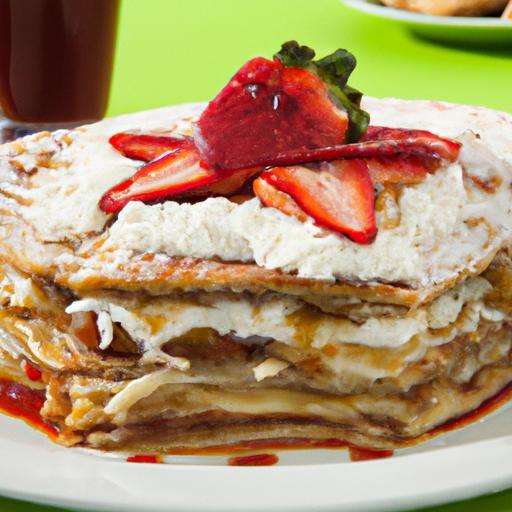
In teh vibrant tapestry of Chilean cuisine, few desserts capture the inventiveness and taste buds quite like the Torta de Mil Hojas. Translated as the “Thousand Layers Cake,” this legendary treat is far more than just a sweet finale-it’s a testament to patience, artistry, and tradition folded delicately into each slender layer. From bustling street markets to festive family gatherings, the Torta de Mil Hojas holds a cherished place in Chile’s culinary heart, inviting food lovers to unravel its rich history and irresistible flavors.Join us as we peel back the layers of this iconic dessert, revealing the stories, techniques, and cultural magic that make it a beloved gem across generations.
The Origins and Cultural Significance of Torta de Mil Hojas in chilean Cuisine
Torta de Mil Hojas is more than just a dessert-it’s a cherished emblem of Chilean heritage and culinary craftsmanship. Its name, meaning “Thousand Layers Cake,” reveals the labor of love behind every slice: a delicate symphony of thin, crispy layers interleaved with sweet, creamy fillings. This dessert has journeyed through generations, often gracing festive tables, birthdays, and family gatherings, symbolizing unity and festivity. Rooted in European mille-feuille traditions yet uniquely adapted with local Chilean ingredients like manjar (a luscious caramel cream), it embodies the merging of cultures and the rich tapestry of Chilean flavors.
Whether enjoyed during summertime picnics or special holidays, the Torta de Mil Hojas invites you to savor Chile’s history, one exquisite layer at a time.
The art of Layering Flavors and Textures in Each Slice
Mastering Torta de Mil Hojas means understanding the delicate balance between crunch and cream, sweetness and subtlety. Each wafer-thin layer is baked or toasted to a golden,flaky crispness,offering a satisfying contrast to the luscious,smooth manjar that cushions the cake. Some variations incorporate whipped cream or fresh fruit preserves to elevate the taste with lightness and tang. The secret lies in assembling these components with gentle precision; too much filling softens the crisp layers, while too little leaves the cake dry. Each bite should deliver a gratifying interplay of textures and a harmonious cascade of sweet, buttery, and caramelized notes that linger delightfully.
Essential Ingredients and Techniques for Authentic Torta de Mil Hojas
Creating an authentic Torta de Mil Hojas calls for ingredients that echo Chile’s culinary soul. All-purpose flour ensures crisp, tender layers, while unsalted butter brings richness and flaky texture to the dough. The hallmark filling, manjar, infuses unparalleled sweetness, often crafted from slowly simmered sweetened condensed milk to achieve that perfect caramel tint and velvety finish. Patience and technique govern the success: rolling the dough paper-thin, baking layers evenly, and layering without haste preserve the cake’s signature texture.
Tips for Serving and Pairing This Iconic Chilean Dessert
Serving Torta de Mil Hojas is an occasion unto itself. For optimal enjoyment, slice carefully with a serrated knife to keep layers intact. Garnish with a dusting of powdered sugar, crushed nuts like toasted almonds or walnuts, or a drizzle of melted dark chocolate for contrast. The dessert pairs beautifully with a fragrant black tea, rich coffee, or a crisp dessert wine like late-harvest Riesling. For a refreshing balance, serve alongside fresh berries or a citrus sorbet, adding brightness that cuts through the cake’s sweetness without overpowering it.
Prep and Cook Time
- Readiness: 45 minutes
- Cooking/Baking: 30 minutes
- Assembly and Chilling: 2 hours
Yield
- Serves 8-10 slices
Difficulty Level
- Medium – requires patience and some baking experience
Ingredients
- 2 cups all-purpose flour, sifted
- 1 tsp baking powder
- 1/4 tsp salt
- 3 large eggs
- 3/4 cup granulated sugar
- 1/2 cup unsalted butter, melted and cooled
- 1 cup manjar (Chilean dulce de leche)
- optional: powdered sugar for dusting
- Optional: crushed toasted nuts (almonds or walnuts)
Instructions
- Preheat your oven to 350°F (175°C). Line baking sheets with parchment paper for easy release.
- In a bowl, sift together the all-purpose flour, baking powder, and salt. Set aside.
- In a separate large bowl, whisk the eggs with granulated sugar until the mixture is pale and slightly thickened-about 3-4 minutes using an electric mixer.
- Gradually fold the dry ingredients into the egg mixture, taking care not to deflate the batter.
- Gently pour the melted butter down the side of the bowl and fold it in until just combined.
- Spread a thin layer of batter (about 2-3 tablespoons) over the prepared baking sheets, aiming for wafer-thin layers-approx. 8 layers total. Each layer will bake quickly, so work efficiently.
- Bake each sheet for 8-10 minutes or until the edges are lightly golden. Immediately transfer layers to wire racks to cool completely and crisp up.
- once cooled, assemble by alternating one layer of crisp cake with a generous 2 tablespoons of manjar spread evenly.Repeat until all layers are stacked,finishing with manjar on top.
- Chill the assembled cake in the refrigerator for at least 2 hours to set and meld flavors.
- Before serving, dust with powdered sugar and sprinkle with crushed toasted nuts if desired for texture and visual appeal.
Chef’s Notes & tips for Success
- Manjar alternatives: If you can’t find authentic Chilean manjar, dulce de leche or caramel sauce work well too.
- Layer thickness: Keep layers as thin as possible for the desired delicate crispiness-think wafer-like, not cake-like.
- Storage: Refrigerate leftovers wrapped tightly; best consumed within 3 days to maintain texture.
- Flavor variations: Add a tablespoon of orange zest or a splash of vanilla extract into the batter for subtle aroma enhancements.
- Make-ahead: Bake layers a day in advance to save time; store layers separated by wax paper to prevent sticking.
Serving Suggestions
Present slices of this legendary cake on elegant dessert plates, highlighting its thousand-layered allure. Complement with a scoop of vanilla ice cream or a dollop of lightly whipped cream. A fresh berry compote on the side adds vibrant color and a fresh tartness to balance the rich sweetness. For occasions, serve alongside Chilean wine or freshly brewed coffee to enhance the experience.

| Nutrient | Per Slice (approx.) |
|---|---|
| Calories | 320 kcal |
| Protein | 5 g |
| Carbohydrates | 45 g |
| Fat | 12 g |
For more on traditional Chilean desserts and to explore othre regional recipes, check out our article on must-try Chilean sweets. To deepen your understanding of Latin American confectionery heritage, visit the Food Timeline, a trusted culinary history resource.
Q&A
Q&A: Torta de Mil Hojas – Chile’s Legendary Layered Delight Explained
Q1: What exactly is Torta de Mil Hojas?
A1: Imagine a cake that’s less about towering height and more about the magic within its many delicate layers. Torta de Mil Hojas, or “Thousand Layers Cake,” is a traditional Chilean dessert featuring thin, buttery pastry sheets stacked and sandwiched with luscious fillings-most famously, rich dulce de leche.It’s a symphony of flaky crispness and creamy sweetness, making each bite a textural delight.
Q2: why is it called “Mil Hojas” or “Thousand Layers”? Does it really have a thousand layers?
A2: The name is poetic rather than literal. While the cake doesn’t have an actual thousand layers,it boasts an impressive number of ultra-thin,hand-rolled sheets of pastry layered meticulously. The beauty lies in creating as many fine layers as possible, resulting in a cake that feels almost ethereal as you slice through its airy structure.
Q3: What makes Torta de Mil Hojas uniquely Chilean?
A3: Though layered pastries exist worldwide, Chile’s version brings together a unique marriage of European pastry techniques and local flavors. The generous use of dulce de leche (known locally as manjar) and the delicate puff pastry layers reflect Chile’s culinary heritage influenced by Spanish and french traditions. It’s a beloved treat at chilean celebrations and family gatherings, a testament to its cultural significance.
Q4: How is the cake traditionally prepared?
A4: Crafting a Torta de Mil Hojas is an art. The process begins with making a puff pastry dough that’s rolled and folded repeatedly to build those signature layers. Each sheet is baked until perfectly golden and crispy. Once cooled, these layers are stacked with generous spreads of manjar or sometimes whipped cream, nuts, or fruit jams. The final touch? A dusting of powdered sugar or crushed nuts for added texture and flair.
Q5: Can variations of Torta de Mil Hojas be found outside Chile?
A5: Absolutely! The concept of layered pastries is widespread-think Argentina’s pastelitos or France’s mille-feuille. However, the Chilean Torta de mil Hojas stands out for its characteristic use of manjar and sometimes local twists like adding fresh berries or chocolate. Around the world,pastry chefs experiment with the base recipe,but the Chilean heart of the dessert remains unmistakable.
Q6: What occasions is Torta de Mil hojas served at?
A6: This cake often graces birthdays, national holidays, weddings, and festive events. Because it requires patience and skill, serving Torta de Mil Hojas is a special gesture of warmth and hospitality.Sharing it symbolizes bringing layers of joy to those gathered around the table.Q7: Is Torta de Mil hojas tough to make at home?
A7: It’s a labor of love! The puff pastry demands time, precision, and patience to achieve those delicate, flaky layers. However, for the adventurous baker, the reward is absolutely worth it-a homemade cake bursting with authentic flavor and texture that’s truly unforgettable. For those short on time,some recipes use store-bought puff pastry to simplify the process without losing too much authenticity.
Q8: How should Torta de Mil Hojas be served and stored?
A8: Serve it chilled or at room temperature, ideally after sitting a few hours to allow the layers to meld with the creamy fillings. Because of its delicate layers, cut the cake gently with a sharp knife. Store leftovers in an airtight container in the refrigerator to maintain freshness-though, be warned, it rarely lasts long once sliced!
Q9: Can Torta de Mil Hojas be paired with beverages?
A9: Yes! The sweet, creamy richness of the cake pairs wonderfully with robust black coffee, a cup of mate (Chile’s beloved herbal infusion), or even a glass of dessert wine. The bitter or slightly bitter notes balance the luscious sweetness, making each bite and sip a harmonious dance.
Q10: Why should dessert lovers around the world try Torta de Mil Hojas?
A10: Because it’s more than just a cake-it’s a cultural experience encapsulated in layers of flavor and history. Torta de Mil Hojas invites you to savor the patience, tradition, and joyful indulgence of Chilean baking. Each delicate layer tells a story, making it a must-try for anyone passionate about discovering authentic, legendary desserts.
Key Takeaways
As we peel back the many layers of the torta de mil hojas, it becomes clear that this Chilean treasure is much more than just a dessert-it’s a tasty testament to the country’s rich culinary heritage and the artistry woven into every flaky, buttery sheet. Whether enjoyed at a bustling mercado or lovingly prepared in a home kitchen, each bite offers a journey through history, culture, and flavor that few sweets can match.So next time you find yourself craving a taste of Chilean tradition, remember the thousand layers waiting to be discovered in the torta de mil hojas-a true legend wrapped in pastry.