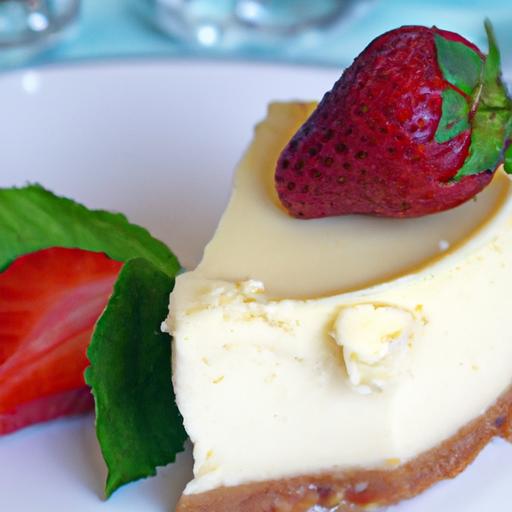


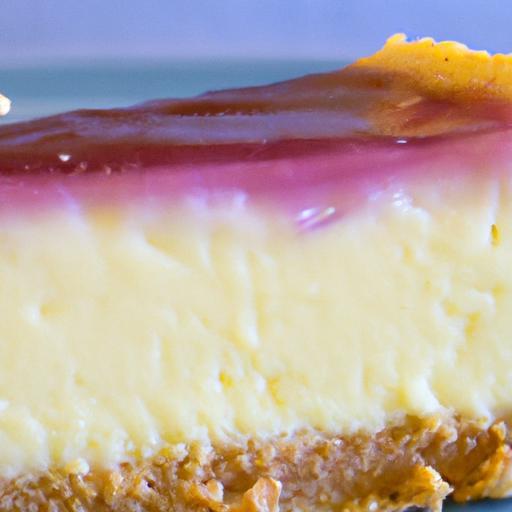
There’s something almost hypnotic about a slice of New york-style cheesecake-the way its dense, velvety texture melts effortlessly on the tongue, leaving a lingering sense of indulgence that is both comforting and unforgettable.But what exactly makes this iconic dessert so irresistibly creamy, setting it apart from cheesecakes worldwide? beyond its classic graham cracker crust and tangy cream cheese base lies a carefully guarded culinary secret, a combination of technique and ingredient finesse that transforms humble components into a luscious masterpiece. In this article, we’ll dive into the creamy underpinnings of New York-style cheesecake, uncovering the subtle artistry that has made it a beloved staple from bustling city diners to elegant patisseries.
The creamy secret behind iconic New York-style cheesecake lies not only in its rich flavor but in the meticulous balance of texture and sweetness that sets it apart from ordinary cheesecakes. This beloved classic, rooted in the bustling bakeries of manhattan, offers a velvety, dense crumb that melts effortlessly on your tongue. Achieving this exquisite texture is all about understanding the key role cream cheese plays-from its fat content to its smoothness-and how it harmonizes with sugar to create that signature luscious bite.
Prep and Cook Time
- Planning: 30 minutes
- Baking: 1 hour 10 minutes
- Cooling and Chilling: 4 hours (preferably overnight)
Yield
8 to 10 servings
Difficulty Level
Medium
Ingredients
- 900g (32 oz) full-fat cream cheese, softened to room temperature
- 1 1/4 cups granulated sugar
- 1/2 cup sour cream, at room temperature
- 3 large eggs, at room temperature
- 1 tablespoon pure vanilla extract
- 2 tablespoons all-purpose flour, sifted
- 1/4 teaspoon fine sea salt
- 1 1/2 cups graham cracker crumbs
- 1/4 cup unsalted butter, melted and slightly cooled
Instructions
- Prepare the crust: Combine the graham cracker crumbs and melted butter in a medium bowl. Stir until fully coated and press evenly into the bottom of a 9-inch springform pan. Chill in the fridge while preparing the filling.
- Beat the cream cheese: Using a stand mixer fitted with the paddle attachment, beat the softened cream cheese on medium speed until smooth and creamy, about 2-3 minutes. Scrape down the sides often to avoid lumps.
- Add sugar and flour: Gradually add the granulated sugar and all-purpose flour, beating until fully incorporated. This step helps balance sweetness and stabilizes the texture for that silky finish.
- Incorporate sour cream and vanilla: Blend in the sour cream and vanilla extract until the mixture is luxuriously smooth. The sour cream adds moisture and a subtle tang that prevents an overly sweet profile.
- Mix in the eggs: Add eggs one at a time on low speed, mixing just enough to combine. This gentle folding prevents too much air from entering the batter,which could cause cracks and an airy,crumbly texture.
- Pour and smooth: Pour the batter over the chilled crust. Use an offset spatula to gently smooth the top for an even, flawless surface.
- Bake with care: Place the pan in a water bath (bain-marie) to keep the temperature steady, preventing cracks and promoting a creamy, dense texture. Bake at 325°F (163°C) for 70 minutes or until the edges are set but the center slightly jiggles.
- Cool gradually: turn off the oven, leaving the cheesecake inside with the door slightly ajar for 1 hour-this gradual cooling helps avoid sudden temperature changes that cause cracks.
- Chill thoroughly: Remove from the oven, release from the water bath, and refrigerate uncovered for 2 hours; then cover and chill at least 4 hours or overnight for optimal set and flavor development.
Chef’s Notes: Tips for Success
- Choose cream cheese wisely: Opt for full-fat, high-quality cream cheese for a richer, creamier texture. Brands with a consistent, smooth texture yield the best results.
- Room temperature ingredients matter: Ensure all dairy and eggs are at room temperature to blend seamlessly, minimizing lumps and avoiding overmixing.
- Use a water bath: Baking in a bain-marie creates a moist,stable environment,preventing cracks and promoting the iconic dense,silky finish.
- Don’t overbeat the eggs: Incorporating too much air can cause bubbling and cracking. Mix eggs gently and just until combined.
- Make ahead: Cheesecake actually improves in flavor and texture after 24 hours in the fridge-rest assured and plan ahead!
Serving Suggestions
Present your cheesecake with a glossy, fresh topping to add both flavor and visual contrast. Classic options include a vibrant raspberry coulis, a thin layer of tart cherry preserves, or simply a dusting of powdered sugar with fresh berries. For an elevated appearance, garnish individual slices with a sprig of mint and a twist of lemon zest. Serve chilled alongside a cup of strong coffee or a glass of dessert wine to complement the rich, creamy notes.

| nutrient | Per serving (1 slice) |
|---|---|
| Calories | 450 kcal |
| Protein | 7 g |
| Carbohydrates | 32 g |
| Fat | 32 g |
For a deeper dive into balancing cheese textures and variations, check out our Cream Cheese Dessert Recipes collection. To understand more about the science behind dairy in baking, visit Serious Eats’ article on cream cheese chemistry.
Q&A
Q&A: The Creamy secret Behind Iconic New York-Style cheesecake
Q: What makes New York-style cheesecake stand out from other cheesecakes?
A: The hallmark of New York-style cheesecake lies in its decadently dense yet creamy texture.Unlike fluffier varieties, New York cheesecake is rich and velvety, boasting a luscious mouthfeel that’s both indulgent and comforting.This distinct creaminess is largely thanks to a unique ingredient and a specific baking method that sets it apart from its counterparts.
Q: Is there a special ingredient that’s the “secret” behind its creamy texture?
A: absolutely! The secret weapon is cream cheese-specifically,a high-quality,full-fat cream cheese. This ingredient gives the cheesecake its signature smoothness and slight tang, providing a luxurious base that holds its shape beautifully yet melts on your tongue. The cream cheese’s fat content is essential, offering that rich, dense texture that New Yorkers-and cheesecake aficionados worldwide-have come to adore.
Q: How does the baking process contribute to the cheesecake’s creamy perfection?
A: The baking technique is just as critical as the ingredients. traditional New York-style cheesecake often uses a water bath (bain-marie) to gently and evenly cook the cake. This moist heat prevents cracking and keeps the texture silky and uniform. Slow, low-temperature baking ensures the cream cheese mixture sets softly, avoiding dryness or curdling, resulting in that signature luscious creaminess.
Q: Are there any other ingredients that enhance the cheesecake’s creaminess?
A: Yes! Heavy cream or sour cream is often folded into the batter, adding an extra layer of creaminess and a subtle tang that balances sweetness. Eggs act as natural binders, providing structure while maintaining softness. Sometimes, a touch of vanilla or lemon zest brightens the flavor without compromising the rich, creamy base.
Q: can you achieve the same creamy texture without cream cheese?
A: While other cheeses like ricotta or mascarpone are used in different cheesecake styles, they won’t create the classic New York-style creaminess that cream cheese offers. Cream cheese’s unique combination of fat and moisture delivers that dense yet silky consistency which is hard to replicate. So, for an authentic New York-style experience, cream cheese reigns supreme.Q: Why has New York-style cheesecake become such an iconic dessert?
A: This cheesecake is a appetizing marriage of simplicity and indulgence. Its creamy, dense texture combined with a buttery graham cracker crust strikes the perfect balance-comforting, elegant, and satisfying. Originating in the vibrant, diverse culinary scene of New York City, it embodies the city’s spirit: bold, rich, and timeless. Each bite is a creamy testament to tradition and craftsmanship that continues to captivate dessert lovers around the globe.
Q: How should New York-style cheesecake be served to highlight its creamy texture?
A: For the ultimate creamy experience, serve it chilled but not ice-cold-about an hour out of the fridge is ideal. This allows the cheesecake to soften slightly, enhancing its velvety mouthfeel. Pair with fresh berries or a drizzle of fruit compote to add brightness, or keep it classic with a dusting of powdered sugar. Either way, the creamy richness shines as the star of the show.
Q: Can home bakers replicate this creamy secret at home?
A: Yes! With the right ingredients-quality cream cheese, eggs, and heavy cream-and patience during baking, any home baker can recreate the creamy magic of New York-style cheesecake. Using a water bath and baking low and slow are key tricks to avoid cracking and ensure that unmistakable smooth texture.So roll up your sleeves-it’s time to unlock the creamy secret in your own kitchen!
The Conclusion
As we savor the last bite of New York-style cheesecake, it’s clear that its creamy allure is no accident but a carefully crafted secret-one that marries rich cream cheese, velvety eggs, and a touch of tangy sour cream into a harmonious symphony of texture and flavor. this iconic dessert is more than just a sweet indulgence; it’s a testament to culinary finesse and tradition, baked into every dense yet smooth slice. So next time you find yourself delighting in that luscious,melt-in-your-mouth cheesecake,remember that behind its iconic status lies a creamy secret perfected through generations-a delicious reminder that sometimes,the simplest ingredients yield the most unforgettable experiences.