

in the ever-evolving world of athletic performance, fueling the body with the right nutrients is as crucial as the training itself. While protein has long been hailed as the building block for muscle repair and growth, the stereotype that high-protein means heavy on meat is rapidly fading. Enter the vibrant realm of high-protein vegetarian meals-power-packed, nutrient-dense, and expertly crafted to ignite muscle gains without compromising plant-based principles. Whether you’re a dedicated vegetarian athlete or simply seeking to diversify your diet, this exploration into protein-rich vegetarian dishes unveils how plants can be your strongest allies on the journey to peak performance. Let’s power up and discover the tasty, muscle-fueling meals that are redefining what it means to eat for strength.
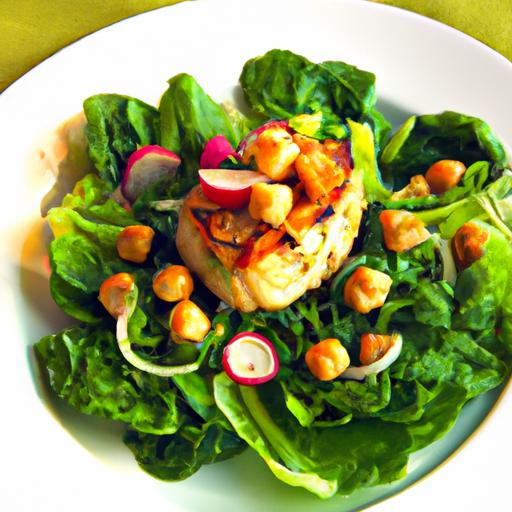
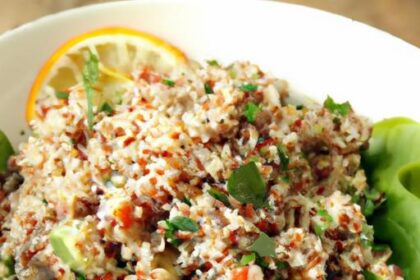
Power Up: high-protein Vegetarian Meals Fueling Athlete Gains begins right here with a vibrant, nutrient-dense Quinoa & Lentil Power Bowl crafted to deliver a complete amino acid profile while thrilling your taste buds. Drawing inspiration from Mediterranean and Indian flavors, this bowl combines the earthiness of lentils with the nutty depth of quinoa, perfectly paired with fresh, crisp vegetables and a tangy tahini dressing. It’s designed to not only satisfy hunger but to strategically fuel recovery and promote muscle synthesis-a true champion’s meal.
Prep and Cook Time
- Planning: 15 minutes
- Cooking: 30 minutes
- Total Time: 45 minutes
Yield
- 4 hearty servings
Difficulty Level
- Easy to Medium
Ingredients
- 1 cup quinoa, rinsed well
- 1 cup brown or green lentils, rinsed
- 4 cups water or vegetable broth
- 1 cup cherry tomatoes, halved
- 1 large cucumber, diced
- 1/2 cup red onion, finely chopped
- 1/2 cup fresh parsley, chopped
- 1/4 cup toasted pumpkin seeds
- 1/4 cup tahini
- 2 tbsp fresh lemon juice
- 1 tbsp extra virgin olive oil
- 1 tsp smoked paprika
- 1 tsp garlic powder
- Salt and freshly cracked black pepper to taste
- Optional: 1 ripe avocado, sliced (for added creaminess and healthy fats)
Instructions
- Cook the quinoa and lentils: In two separate pots, bring 2 cups of water to a boil for quinoa and 2 cups for lentils. Add quinoa to one pot, reduce to a simmer, cover, and cook for 15 minutes or until fluffy. Similarly, cook lentils in the other pot for 20-25 minutes until tender but firm-avoid overcooking to keep texture intact.
- Prepare the dressing: In a small bowl, whisk together tahini, lemon juice, olive oil, smoked paprika, garlic powder, salt, and pepper until smooth. Add a splash of water if the dressing is too thick to achieve a creamy drizzle consistency.
- Combine the ingredients: In a large mixing bowl, gently toss the cooked quinoa and lentils with diced cucumber, cherry tomatoes, red onion, and parsley. Pour the dressing over the salad and toss again to coat evenly.
- Toast the pumpkin seeds: Heat a small dry skillet over medium heat. Add pumpkin seeds and toast for 3-4 minutes, stirring frequently until they turn golden and fragrant. Remove from heat promptly to prevent burning.
- Serve: Divide the quinoa and lentil mixture into four bowls. Garnish with toasted pumpkin seeds and, if desired, add sliced avocado for extra richness and muscle-supportive fats.
Tips for Success
- Boost protein further: Add a handful of cooked chickpeas or sprinkle hemp seeds on top for an additional protein punch.
- Make ahead: Cook quinoa and lentils in advance and store separately in airtight containers for up to 3 days. Assemble with fresh veggies and dressing just before serving to maintain vibrancy.
- Flavour tweaks: Substitute smoked paprika with cumin or sumac for a different aromatic profile. Use fresh garlic instead of powder if preferred, but balance with acidity for clean flavor.
- Gluten-free & allergen-pleasant: This bowl is naturally gluten-free and vegan, suitable for most dietary needs.
- meal timing tip: Enjoy this bowl within 60 minutes post-workout for optimal muscle glycogen replenishment and amino acid availability.
Serving Suggestions
Present this Power Bowl with a shining lemon wedge on the side to encourage an extra zing of freshness. Pair it with a light side of steamed broccoli or sautéed kale to round out your vegetable intake and provide antioxidant support. For an elegant finish, sprinkle a few pomegranate arils to add bursts of juicy sweetness and visual appeal. This dish shines best served in wide shallow bowls to keep the colorful layers visible and inviting.

| Nutrient | Per Serving |
|---|---|
| Calories | 420 kcal |
| Protein | 22 g |
| Carbohydrates | 55 g |
| Fat | 11 g |
| fiber | 12 g |
For deeper insights into vegetarian protein sources and meal timing strategies, visit our detailed guide on vegetarian protein for athletes. Additionally,explore authoritative nutritional information from Academy of Nutrition and Dietetics to understand plant-based athletic nutrition better.
Q&A
Q&A: Power Up – High-Protein Vegetarian Meals Fueling Athlete Gains
Q1: Why should athletes consider high-protein vegetarian meals to fuel their gains?
A1: Protein is the cornerstone of muscle repair and growth, and high-protein vegetarian meals offer a vibrant, nutrient-packed option to traditional animal-based diets. They provide ample amino acids while delivering fiber, antioxidants, and phytochemicals that support overall health and recovery. Plus, vegetarian proteins often come with lower saturated fats, promoting heart health-a win-win for athletes chasing peak performance.
Q2: Can vegetarian proteins provide all the essential amino acids athletes need?
A2: Absolutely! While some plant proteins are “incomplete” on their own, combining diverse sources-like beans with rice or quinoa with nuts-creates a full amino acid profile. Over the course of the day, athletes can easily meet their essential amino acid requirements by mixing legumes, grains, seeds, and dairy or eggs if they include them.
Q3: What are some powerhouse vegetarian protein sources ideal for athletes?
A3: Think beyond tofu and lentils! Edamame, chickpeas, tempeh, seitan, quinoa, hemp seeds, chia seeds, Greek yogurt, cottage cheese, and even spirulina pack a protein punch. These ingredients not only build muscle but also deliver vital micronutrients like iron, zinc, and B vitamins that keep energy levels high.
Q4: How can athletes incorporate these high-protein vegetarian foods into their daily meals?
A4: Creativity is key! Start with a creamy chickpea and spinach curry, a protein-packed quinoa salad with roasted veggies and pumpkin seeds, or a smoothie blending Greek yogurt with hemp seeds and berries. For snacks, roasted edamame or a spoonful of nut butter on whole grain toast fuels recovery and energy between workouts.
Q5: Are there any challenges vegetarian athletes might face in meeting protein needs, and how can they overcome them?
A5: The main hurdle is often ensuring sufficient total protein intake without relying solely on one food source. Monitoring portion sizes, diversifying meals, and perhaps incorporating protein shakes made from pea or rice protein powders can fill gaps. Planning ahead is crucial-think of your plate as a colorful puzzle, where each piece contributes to the protein picture.
Q6: How does fueling with vegetarian protein enhance athletic performance beyond muscle growth?
A6: Vegetarian proteins come loaded with antioxidants and anti-inflammatory compounds that reduce exercise-induced oxidative stress. this can accelerate recovery times and enhance endurance.Additionally, plant-based diets may improve gut health, which has been linked to better nutrient absorption and immune function-a secret weapon for consistent training gains.
Q7: What’s a simple starter recipe for athletes eager to “power up” with vegetarian protein?
A7: Try a Quinoa Power Bowl: Cook quinoa and toss it with black beans, roasted sweet potato, steamed kale, avocado slices, and a sprinkle of hemp seeds. Drizzle with a lemon-tahini dressing for a flavorful, balanced meal that delivers about 25 grams of protein per serving-fuel that’s as delicious as it is indeed effective.
Elevate your training with every bite: high-protein vegetarian meals not only meet athletic demands but nourish your body and the planet alike. Ready to power up?
To Wrap It Up
As the boundaries of athletic performance continue to expand, so too does the potential of plant-based nutrition to power those gains.High-protein vegetarian meals aren’t just a trend-they’re a dynamic fuel source, packed with muscle-building nutrients and vibrant flavors that keep both body and palate energized. Whether you’re a seasoned athlete or an ambitious beginner, embracing these nutrient-dense dishes can redefine your approach to strength and recovery. So, power up your plate with plants, and let every bite be a step toward your personal best.