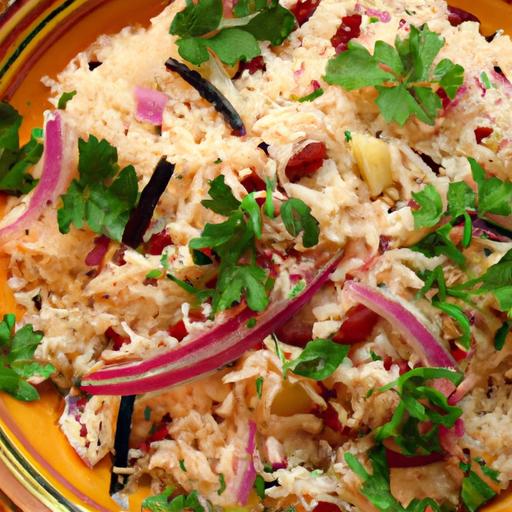

In the sun-soaked fields of Lebanon, where history whispers through olive trees and ancient ruins, a humble grain takes center stage: Lebanese rice.More than just a staple on the dinner table, this flavorful grain carries with it centuries of tradition, culture, and culinary artistry.From fragrant pilafs kissed with pine nuts to comforting stews enriched with tender morsels,Lebanese rice tells a story of a land where every grain is infused with the warmth of family gatherings and the richness of heritage. join us as we uncover the unique qualities of lebanese rice, exploring how it transforms simple meals into vibrant celebrations of flavor and history.
Lebanese rice is more than just a staple on the table; it is a vibrant symbol of tradition, culture, and culinary artistry that carries stories from ancient kitchens to modern homes. This beloved grain embodies the essence of Lebanese hospitality, where every grain tells a tale of family gatherings, festive celebrations, and the rich history embedded in Middle Eastern cuisine.
Prep and Cook Time
- Preparation: 10 minutes
- Cooking: 25 minutes
- Total Time: 35 minutes
Yield
- serves 4 to 6 people
Difficulty Level
- Medium – Ideal for cooks ready to refine their rice-cooking skills
Ingredients
- 2 cups long-grain Egyptian or jasmine rice, rinsed until water runs clear
- 3 tablespoons unsalted butter or ghee
- 4 cups boiling water or homemade chicken broth for added flavor
- 1 teaspoon salt
- 1/2 teaspoon freshly ground black pepper
- 1/2 teaspoon ground allspice or cinnamon (optional, for warmth and depth)
- 2 tablespoons toasted pine nuts or slivered almonds
- Fresh chopped parsley for garnish
Instructions
- Prepare the rice: rinse the rice under cold running water until the water runs clear, removing excess starch and preventing clumping. Drain well.
- Toast the nuts: In a large saucepan, melt 1 tablespoon of butter over medium heat. Add the pine nuts or slivered almonds and sauté until golden brown, about 3 minutes. Remove nuts and set aside.
- Sauté the rice: In the same saucepan, add the remaining butter. Add rinsed rice and stir continuously for 3-4 minutes until the grains become slightly translucent and just begin to toast. This step unlocks the customary nutty flavor signature to lebanese rice.
- Season and add liquid: Sprinkle the salt, pepper, and allspice evenly over the rice. Pour the boiling water or broth gently over the rice, stirring once to distribute evenly. Bring to a boil uncovered.
- Simmer gently: Once boiling, reduce heat to the lowest setting and cover the pot with a tight-fitting lid.Let simmer for 18-20 minutes without removing the lid or stirring – this creates the perfect fluffy texture.
- Rest and fluff: Remove the pot from heat and let it rest, covered, for 5-7 minutes. Then, use a fork to fluff the rice gently, separating each grain and distributing the butter and seasoning evenly.
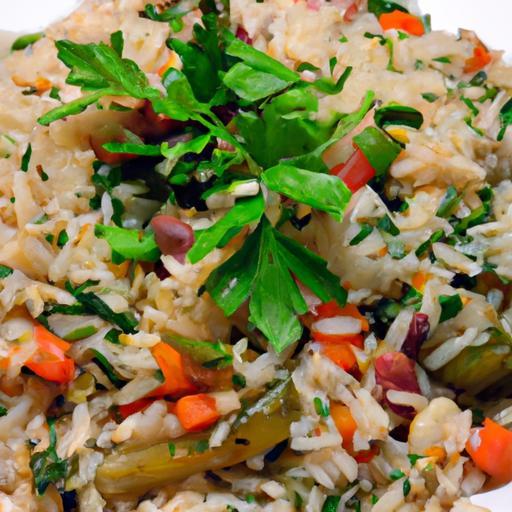
- Finish and serve: stir in the toasted nuts, sprinkle with fresh chopped parsley, and serve immediately to enjoy the authentic aromatic charm.
Tips for Success with Lebanese Rice
- Choosing the right rice: Long-grain rice varieties with a slightly firm texture work best to achieve the fluffy,non-sticky grains essential to authentic Lebanese rice.
- Rinsing the rice: Don’t skip rinsing. It removes excess starch and prevents sticky clumps, crucial for the characteristic separated grains.
- Use homemade broth: Swap water with homemade chicken or vegetable broth to introduce natural depth that beautifully complements traditional Lebanese dishes.
- Keep the lid on: Resist the urge to lift the lid during cooking-trapped steam is key to perfectly cooked, fluffy rice.
- Make ahead: Cook rice a few hours ahead and reheat gently with a splash of broth or water to restore moisture.
Serving Suggestions
Lebanese rice is the perfect canvas for bold regional flavors. Pair it with slow-cooked lamb stews,spiced grilled chicken,or vibrant mezze dishes like hummus and tabbouleh. Garnish with extra toasted nuts or a sprinkle of sumac to enhance the earthy notes.For a festive touch, serve the rice molded in a warm bowl and topped with fresh pomegranate seeds or chopped fresh mint-adding pops of color and brightness.
| Nutrient | Per Serving (1 cup) |
|---|---|
| Calories | 210 kcal |
| Protein | 4 g |
| Carbohydrates | 44 g |
| Fat | 5 g |

Exploring Traditional Cooking Techniques for Authentic Flavor in Lebanese Rice
The true character of Lebanese rice comes alive through traditional cooking methods passed down through generations. Toasting the rice in butter or clarified fat-known as “samneh”-imbues the grains with a characteristic nutty aroma. The method of simmering over low heat with the pot tightly sealed allows the rice to steam gently, finishing with a perfect fluffy texture synonymous with Lebanese hospitality.
Modern kitchens can easily capture this culinary magic by paying close attention to these details: selecting the right rice, carefully rinsing, and controlling the heat and moisture. This allows home cooks everywhere to experience and preserve the soulful authenticity of lebanese rice at their own tables.
Pairing Lebanese Rice with Regional Spices and Ingredients
While simplicity is key, Lebanese rice invites subtle seasoning that complements the broader meal. warm spices like cinnamon,allspice,or a pinch of nutmeg echo the aromatic profiles found in Lebanese kitchens. Incorporating toasted nuts like pine nuts or slivered almonds adds texture and richness. Fresh herbs such as thyme, mint, or parsley bring a refreshing balance after cooking.
For an adventurous twist, sprinkle a bit of za’atar or sumac on top before serving; these regional spice blends add tang and brightness, amplifying the dish’s cultural authenticity and complexity.
For more inspiration on Middle Eastern grains and spices, visit Serious Eats’ Lebanese cuisine guide.
Ready to elevate your entire meal? Learn how to perfectly grill Lebanese kebabs-a classic pairing that complements the rice beautifully.
Q&A
Q&A: Lebanese Rice – The Flavorful grain That Tells a story
Q: What makes Lebanese rice unique compared to othre varieties?
A: Lebanese rice is more than just a staple grain; it’s a canvas of culture. Grown in the fertile Bekaa Valley and along the Lebanese coast, this rice absorbs the rich heritage of its land. Known for its fragrant aroma and slightly nutty flavor, Lebanese rice typically features slender grains that cook to a perfect fluffy texture-ideal for soaking up the vibrant spices and herbs characteristic of Lebanese cuisine.
Q: How has Lebanese rice shaped the country’s culinary identity?
A: Lebanese rice is the silent hero behind many beloved dishes, from the simple yet sublime Riz bi Sha’arieh (rice with vermicelli) to the festive Maqluba. It acts as a culinary bridge connecting families across generations, each grain carrying stories of hospitality, party, and resilience. Every spoonful echoes Lebanon’s diverse history, mingling influences from Mediterranean, arab, and Ottoman flavors.
Q: are there traditional techniques involved in preparing Lebanese rice?
A: Absolutely! Lebanese cooks frequently enough toast vermicelli pasta before adding rice and water, infusing the grain with a subtle, toasty depth. Slow simmering and precise water ratios create that signature fluffy but separate grain texture. sometimes, fragrant additions like cinnamon sticks or bay leaves are simmered alongside the rice, layering aromatic notes that elevate simple rice into an unforgettable experience.
Q: Can Lebanese rice be adapted to modern diets or international cuisines?
A: Lebanese rice is remarkably versatile. It pairs beautifully with grilled meats and vegetables but also adapts well to vegetarian and vegan dishes. Chefs worldwide are embracing it in fusion dishes-imagine Lebanese spiced rice pilaf with Asian-inspired toppings or Mediterranean grain bowls. Its adaptability speaks to its timeless appeal and deep-rooted tradition.
Q: Why does Lebanese rice “tell a story”?
A: Each grain of Lebanese rice encapsulates centuries of tradition, geography, and family memories. It tells a story of fertile lands nurtured by the Mediterranean climate, of gathered hands preparing meals during joyous celebrations, and of a people whose identity is woven through their cuisine. Lebanese rice is not just food; it is indeed edible history, a flavorful narrative passed from one generation to the next.
Q: Where can one explore authentic Lebanese rice dishes today?
A: From bustling Beirut street kitchens to intimate village homes in mount lebanon, authentic rice dishes abound. For those abroad,Lebanese restaurants and cooking classes offer a gateway to this culinary heritage. Exploring Lebanese rice is a delicious adventure-a chance to taste the soul of a culture steeped in flavor and tradition.
Wrapping Up
As the final grains settle on your plate, Lebanese rice reveals more than just its delicate aroma and tender texture-it carries the echoes of generations, the warmth of shared meals, and the rich tapestry of Lebanon’s culture. Each bite is an invitation to savor history,tradition,and a culinary artistry perfected over centuries. More than a simple staple, Lebanese rice is a flavorful storyteller, reminding us that every grain holds a story worth tasting and preserving. Whether you’re a seasoned cook or a curious food lover, embracing this fragrant grain opens a door to a world where food and heritage intertwine, one savory spoonful at a time.