
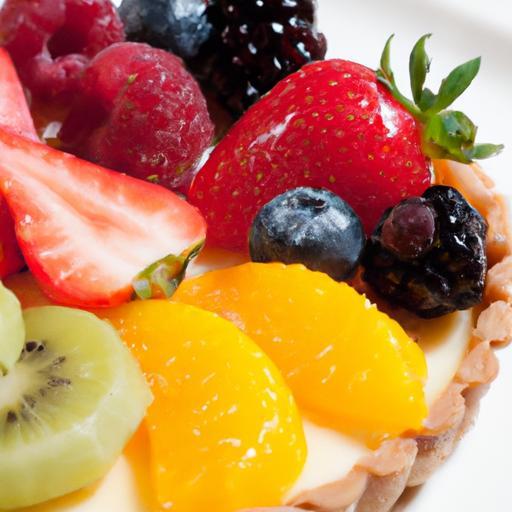
There’s something undeniably enchanting about fruit tarts-a delicate dance of vibrant colors, crisp pastry, and luscious, sun-kissed flavors that awaken the senses. More than just a dessert, the fruit tart is a masterpiece of culinary artistry, where each slice offers a harmonious blend of texture, sweetness, and visual splendor. From the glossy sheen of ripe berries to the buttery crunch of a perfectly baked crust, this timeless treat embodies the celebration of nature’s bounty in its most exquisite form. In this article, we’ll explore the art of fruit tarts, uncovering the techniques, traditions, and creative touches that transform simple ingredients into a colorful slice of sweet delight.
The Art of Fruit Tarts: A Colorful Slice of Sweet Delight
The art of fruit tarts: a colorful slice of sweet delight begins with choosing the ideal crust-one that promises a perfectly flaky and flavorful base for your seasonal fruit symphony. This classic dessert, with roots tracing back to European patisseries, has a timeless charm that pairs buttery, crisp pastry with the vibrant freshness of ripe fruits. Over years of creating, styling, and savoring these gems, I’ve discovered how mastering each layer unlocks a remarkable harmony between textures and tastes, turning a simple tart into a celebration for the senses.
Prep and Cook time
- Preparation: 30 minutes
- Chilling time: 1 hour
- cooking: 25 minutes
- total time: Approximately 2 hours
Yield
Serves 8 elegantly sized slices
Difficulty Level
Medium - perfect for confident bakers looking to elevate fruit pastries
Ingredients
- For the Tart Crust:
- 1 ¼ cups all-purpose flour, sifted
- ¼ cup granulated sugar
- ½ tsp fine sea salt
- 8 tbsp unsalted butter, cold and cubed
- 1 large egg yolk
- 2 tbsp ice-cold water (plus extra if needed)
- For the pastry Cream:
- 2 cups whole milk
- ⅔ cup granulated sugar
- 4 large egg yolks
- ¼ cup cornstarch
- 2 tbsp unsalted butter
- 1 tsp pure vanilla extract
- For the Fruit Topping:
- 2 cups assorted seasonal fruit (e.g.,berries,kiwi,peaches,plums)
- 1 tbsp fresh lemon juice
- For the Glaze:
- ½ cup apricot jam,strained
- 2 tbsp water
Instructions
- Make the crust: In a food processor,pulse the flour,sugar,and salt together. Add the cold butter cubes and pulse until mixture resembles coarse crumbs with pea-sized bits.Add the egg yolk and 1 tbsp ice water. Pulse, adding more water as needed, until dough just starts to clump.
- Form and chill: Turn dough out onto a lightly floured surface, gently knead to combine, shape into a flat disc. Wrap in plastic wrap and refrigerate for at least 1 hour.
- Prepare pastry cream: In a saucepan, heat milk until just simmering. In a bowl, whisk egg yolks, sugar, and cornstarch until smooth. Slowly pour hot milk into egg mixture, whisking constantly, then return to saucepan.
- Thicken pastry cream: Cook over medium heat,whisking constantly until cream thickens and bubbles,about 5 minutes. Remove from heat, stir in butter and vanilla. Transfer to a bowl, cover surface with plastic wrap, chill until cool.
- Blind bake the crust: Preheat oven to 350°F (175°C). Roll dough to fit tart pan (9-inch) with a removable bottom. Press into pan and prick base with fork. Line with parchment paper and fill with pie weights. Bake 15 minutes, remove weights and paper, bake 10 more minutes until golden. Cool completely.
- Assemble the tart: Spread chilled pastry cream evenly over baked crust. Arrange seasonal fruit artistically over the cream, alternating colors and shapes for visual appeal. Drizzle with fresh lemon juice to brighten flavors and prevent browning.
- Glaze the tart: Warm apricot jam and water in a small saucepan until runny. Using a pastry brush, lightly coat the fruit with glaze to create a silky, shiny finish that seals in freshness and enhances every bite.
- Chill before serving: Refrigerate tart for at least 30 minutes to let flavors meld and to firm the glaze.
Tips for Success: Mastering the Art of Fruit Tarts
- Crust balance: Use cold butter and minimal handling to ensure a flaky crumb. If dough feels sticky,chill again before rolling.
- Seasonal harmony: Choose ripe, in-season fruits for bursting flavor and optimal texture. For example, late summer peaches complement the buttery crust beautifully.
- Pastry cream consistency: Whisk continuously while cooking to avoid lumps. Cooling pastry cream properly ensures smooth layering.
- Glaze alternatives: Substitute apricot jam with clear jelly or even a light honey glaze for subtle sweetness.
- Make-ahead: Prepare crust and pastry cream up to 2 days in advance; store separately in airtight containers.
- Tips for arranging fruit: Vary size, color, and geometry to create a visual mosaic that invites the eye and palette alike.
Serving Suggestions
Serve your fruit tart chilled with a dollop of whipped cream or a scoop of vanilla bean ice cream for contrast. Finish with a sprig of fresh mint or edible flowers like pansies to elevate presentation. Pair with a light white wine or elderflower cordial for an elegant afternoon dessert experience. Slice with a hot, dry knife for clean cuts and to maintain the delicate layers inside.

Nutritional information (per serving)
| calories | Protein | Carbohydrates | Fat |
|---|---|---|---|
| 320 kcal | 5 g | 45 g | 12 g |
For more delectable fruit-based desserts, explore our extensive guide on Seasonal Fruit Desserts. Discover expert tips from Serious Eats on perfect pastry cream to ensure flawless results every time.
Q&A
Q&A: The art of Fruit Tarts – A Colorful Slice of Sweet Delight
Q1: What makes fruit tarts such a beloved dessert around the world?
A: Fruit tarts captivate dessert lovers with their perfect harmony of textures and flavors.The crisp, buttery crust provides a sturdy yet tender base, while the luscious, creamy filling creates a smooth middle layer. Topped with vibrant, fresh fruits, they are not only a feast for the palate but also a visual celebration. Their balance of sweetness,tartness,and freshness makes them endlessly appealing across cultures and seasons.
Q2: How vital is the crust in creating the perfect fruit tart?
A: The crust is the unsung hero of any fruit tart. It must be delicate enough to melt in your mouth but sturdy enough to hold the luscious filling and juicy fruit topping.Classic tart crusts often combine cold butter and flour with a pinch of sugar, creating a crumbly yet structured base known as pâte sucrée. Mastering the crust’s texture is the foundation of the tart’s overall success.
Q3: What types of fillings best complement the fresh fruits on a tart?
A: The most traditional and beloved filling is pastry cream (crème pâtissière)-a silky blend of milk, sugar, eggs, and vanilla that adds richness and a subtle sweetness. Alternatives include whipped mascarpone or ricotta creams, lemon curd for a zesty punch, or even almond frangipane for a nutty depth. Each filling plays a supporting role, highlighting the freshness and natural flavor of the fruit.
Q4: How do fruit selections influence the artistry of a tart?
A: The fruit is the star of the fruit tart’s visual and flavor profile. choosing seasonal and colorful fruits like strawberries, kiwi, blueberries, raspberries, and mangoes allows for a vibrant palette that’s both eye-catching and flavorful. Many bakers arrange fruit in intricate patterns-spirals,bouquets,or geometric designs-turning each tart into an edible work of art.
Q5: Are there secret tips to making a fruit tart that’s as delightful to eat as it is indeed to look at?
A: Absolutely! One key tip is to glaze the fruit lightly with a warm apricot jam or a neutral glaze to give the tart a glossy finish and prevent the fruit from drying out. Another is to bake the crust blind to ensure even cooking and prevent sogginess. chilling the tart before serving helps to set the filling and sharpen the contrast between crumbly crust, creamy filling, and juicy fruit.
Q6: How has the art of fruit tarts evolved in modern pastry kitchens?
A: Modern chefs push the boundaries of tradition by experimenting with unique crust flavors like matcha or cocoa, incorporating exotic fruits like passionfruit or dragonfruit, and balancing sweetness with unexpected savory notes like basil or black pepper-infused creams. Presentation has become more sculptural, transforming tarts into mini-masterpieces that delight all the senses.
Q7: Why is making fruit tarts considered an art rather than just baking?
A: Fruit tarts transcend mere baking because they require a delicate balance of culinary technique and visual design. Each component-from the crumbly crust to the silky filling to the jewel-like arrangement of fruit-must harmonize.The baker becomes an artist, blending colors, textures, and flavors in ways that engage both the eye and the taste buds, turning simple ingredients into a slice of sweet delight.
The Conclusion
In the vibrant world of pastry, fruit tarts stand out as edible masterpieces-each slice a harmonious blend of colors, textures, and flavors that celebrate nature’s sweetest gifts.Mastering the art of the fruit tart is more than just baking; it’s an invitation to explore creativity, precision, and the joyous balance between crisp crust, luscious filling, and fresh fruit. Whether crafted for a festive gathering or a quiet moment of indulgence, these colorful confections remind us that beauty and flavor can coexist on a single, delightful plate. So next time you savor a fruit tart, appreciate not only its taste but the artistry and care that transform humble ingredients into a vivid slice of sweet delight.