
There’s something utterly captivating about the quick sizzle of ingredients tossed high in a blazing-hot wok-the vivid colors, the aromatic steam, and the burst of flavors that dance on the palate. Mastering the wok is not just about cooking; it’s an art form that transforms simple ingredients into culinary masterpieces with flair and finesse. In this article, we’ll unlock the secrets behind perfect stir-fry magic, sharing essential tips that elevate your technique and ignite your passion for this dynamic, versatile cooking style. Whether you’re a kitchen novice or a seasoned foodie, get ready to wield your wok like a pro and bring authentic, vibrant stir-fry creations to life.
Mastering the Wok: Essential Tips for Perfect Stir-Fry Flair
Mastering the wok is the gateway to creating vibrant, crisp, and flavor-packed stir-fries that elevate any weeknight dinner into a culinary adventure. Originating from the bustling kitchens of East Asia, the stir-fry is a technique that celebrates speed, heat, and balance-transforming simple vegetables and proteins into a dazzling array of textures and tastes in just minutes. Drawing from years of sizzling successes and a few fiery mishaps, this guide will empower you to choose the ideal wok and essential tools, master heat control, balance authentic flavors, and time your movements perfectly for that coveted stir-fry texture.
Prep and Cook Time
- Preparation: 15 minutes
- Cooking: 8-10 minutes
- Total Time: 25 minutes
Yield
Serves 4 hungry guests
Difficulty Level
Medium – Ideal for stir-fry enthusiasts ready to elevate their technique
Ingredients
- 2 tablespoons vegetable or peanut oil (high smoke point)
- 1 large red bell pepper, thinly sliced
- 1 cup snap peas, trimmed
- 1 medium carrot, julienned
- 200g boneless chicken breast or firm tofu, cut into bite-sized pieces
- 3 cloves garlic, finely minced
- 1 teaspoon grated fresh ginger
- 3 tablespoons soy sauce
- 1 tablespoon oyster sauce
- 1 teaspoon toasted sesame oil
- 1 tablespoon rice wine or dry sherry (optional)
- 1 teaspoon cornstarch mixed in 2 tablespoons water (slurry)
- 2 spring onions, sliced diagonally for garnish
- 1 teaspoon toasted sesame seeds (optional)
Instructions
- Choose the right wok and heat your pan: Begin by heating your wok over high heat until it starts to smoke slightly-this ensures excellent heat retention. Use a carbon steel wok for optimum results; it quickly responds to temperature changes and seasons beautifully over time.
- Add oil and aromatics: Swirl in the vegetable oil, coating the surface. Promptly toss in minced garlic and grated ginger. Stir-fry for 15-20 seconds until fragrant but before they brown, as this builds the flavor foundation.
- Cook protein first: Add your chicken or tofu, spreading it out in a single layer.Let it sear undisturbed for about 1 minute, then stir-fry until golden and cooked through, approximately 3-4 minutes. Remove and set aside.
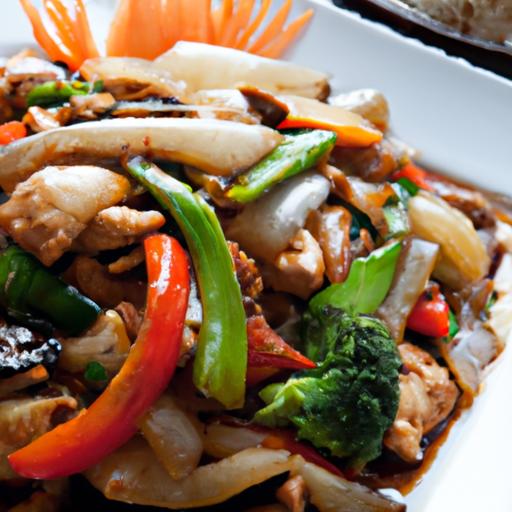
- Vegetable stir-fry magic: Return heat to high, add a touch more oil if needed, then add carrot, bell pepper, and snap peas. keep ingredients moving in the wok-toss constantly to ensure even high heat. Aim for vibrant colors and a slight crunch,cooking about 2-3 minutes.
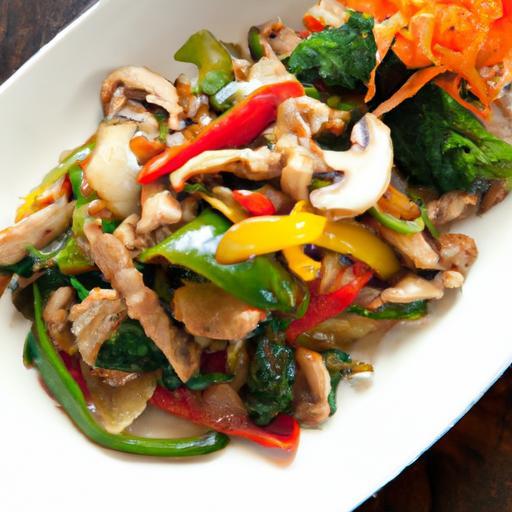
- Bring it all together: Return protein to the wok. Pour in soy sauce, oyster sauce, and rice wine. Stir quickly to coat all ingredients evenly, then drizzle in the cornstarch slurry. This thickens the sauce and gives the stir-fry a glossy finish. Cook 1 minute until sauce clings beautifully.
- Final touches: Turn off heat and drizzle sesame oil for a fragrant finishing note. Toss in sliced spring onions. taste and adjust seasoning with extra soy sauce or a pinch of sugar if desired.
- Serve with confidence: Plate immediately over steamed jasmine rice or noodles, garnishing with toasted sesame seeds for added texture and visual appeal.
chef’s Notes
- Wok maintenance: Keep your carbon steel wok seasoned and dry to avoid rust and maintain non-stick qualities; never use soap after cooking.
- Heat control: stir-frying is all about intense, controlled heat. If your vegetables steam or turn soggy, your wok is not hot enough. Ensure your burner or induction can maintain high heat consistently.
- Marinade idea: For extra tender proteins, marinate chicken in a mixture of soy sauce, cornstarch, and a dash of Shaoxing wine for 20 minutes before cooking.
- Vegetable swap: Broccoli florets, baby corn, and bok choy leaves work wonderfully for variety and eye-catching color.
- Make-ahead tip: Prepare all ingredients and sauces before heating your wok to minimize cooking time and avoid overcooking components.
Serving Suggestions
Serve this colorful stir-fry piping hot with fluffy jasmine rice or chewy lo mein noodles to soak up every luscious drop of sauce. Garnish generously with chopped spring onions and toasted sesame seeds to add sunny bursts of flavor and texture. For an extra kick, offer sliced fresh red chili or a drizzle of chili oil at the table.

| Nutrient | Per Serving |
|---|---|
| Calories | 320 |
| protein | 28g |
| Carbohydrates | 18g |
| Fat | 14g |
For more wok mastery tips and a detailed guide on different stir-fry sauces, check out our ultimate guide to stir-fry sauces. Dive deeper into the science of heat and flavor at Serious Eats’ expert wok guide.
Q&A
Q&A: Mastering the Wok – Essential Tips for Perfect Stir-Fry flair
Q1: Why is the wok considered the ultimate tool for stir-frying?
A1: The wok’s unique shape-a wide, sloping bowl-creates a natural hotspot at the center and gentle heat distribution along the sides. This design allows for lightning-fast cooking at high temperatures, ensuring vegetables stay crisp, meats sear beautifully, and flavors meld perfectly, all while using minimal oil. It’s the secret behind that signature wok hei, or “breath of the wok,” that smoky, savory essence you crave.
Q2: What’s the golden rule for prepping ingredients before cooking in a wok?
A2: Mise en place is your best friend! Since stir-frying is a rapid dance of heat and flavor, having all your veggies, proteins, and sauces chopped and ready before lighting the stove is essential. Cut ingredients uniformly to cook evenly, and keep textures in mind-harder veggies like carrots and broccoli go in first, tender items like leafy greens join last.Q3: How do I prevent my ingredients from steaming rather than stir-frying?
A3: High heat and quick movement are your allies. Make sure your wok and oil are screaming hot before adding ingredients.Stir-fry in small batches to avoid overcrowding, which traps moisture and leads to soggy results. Keep tossing vigorously-imagine your ingredients pirouetting across the wok’s surface to stay crisp and caramelized.
Q4: What’s the secret to achieving wok hei at home?
A4: Wok hei, that elusive “breath of the wok,” is a fragrant flavor born from intense heat, quick searing, and a bit of smoky char. To coax it out, crank your burner to the highest heat, use an oil with a high smoke point (like peanut or grapeseed), and keep tossing ingredients rapidly. A well-seasoned carbon steel wok also helps develop a natural nonstick surface that enhances flavor over time.
Q5: Can I make a flawless stir-fry without exotic sauces?
A5: Absolutely! While sauces add flair, the foundation lies in balance-bright acidity (think rice vinegar or lime), a touch of sweetness (honey or brown sugar), savory umami (soy sauce or miso), and heat (chili flakes or freshly ground pepper). Experiment with pantry staples and fresh aromatics like garlic, ginger, and scallions. Sometimes the best stir-fry is simply fresh ingredients kissed by the wok’s fire.
Q6: How do I care for my wok to keep it primed for perfection?
A6: Treat your wok like a treasured instrument. After cooking,wash it quickly with hot water-avoid soap if you’re using carbon steel to preserve the seasoning. Dry it promptly and apply a thin layer of oil to prevent rust. with consistent use and care,your wok will develop a naturally nonstick surface and deepen its flavor-enhancing abilities.
Q7: Any tips for adding protein to my stir-fry without overcooking?
A7: Choose proteins that cook quickly-thinly sliced beef,bite-sized chicken,shrimp,or tofu work wonders. marinate briefly with soy sauce, a splash of rice wine, and a sprinkle of cornstarch for tenderness and a velvety coating. Cook protein in batches over high heat, removing it once just browned; add it back at the very end to warm through and avoid toughness.
–
Mastering the wok is an exhilarating culinary adventure, where technique meets instinct. With these essential tips, you’re well on your way to creating stir-fries that sizzle with flair and dazzle the taste buds-ready to impress any dinner guest or satisfy your own cravings with pan-to-plate perfection!
Future Outlook
As you continue your culinary journey with the wok, remember that mastery comes not just from technique but from embracing the vibrant dance of heat, ingredients, and timing. each stir-fry is a canvas, every sizzle a stroke of flavor waiting to be unveiled. With these essential tips in hand, you’re well on your way to transforming simple ingredients into dazzling dishes bursting with flair.So, ignite your passion, trust your instincts, and let the wok be your partner in crafting meals that are as dynamic and delicious as the art itself. Here’s to countless perfectly tossed stir-fries that bring both mastery and magic to your kitchen!