


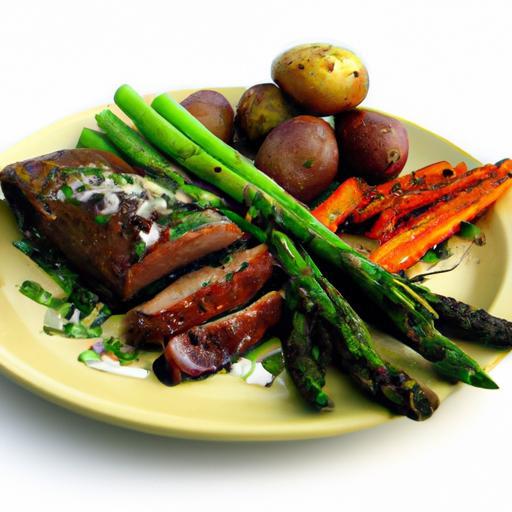
Nestled along the sun-drenched coasts of Central California, the Santa Maria style tri-tip has long stood as a savory symbol of community, tradition, and culinary craft. More than just a cut of beef, this iconic dish tells a story-one of rustic open-fire grilling, bold smoky flavors, and time-honored techniques passed down through generations. In this article, we’ll journey into the heart of the Santa Maria Valley to uncover the secrets behind mastering tri-tip that’s tender, juicy, and richly infused with that unmistakable Santa Maria flair. Weather you’re a backyard griller or a seasoned pitmaster, prepare to elevate your barbecue game with a flavorful tradition that’s as much about heritage as it is indeed about taste.
mastering Santa Maria Style Tri-Tip is a delicious journey into one of California’s most cherished grilling traditions. This iconic cut of beef, with its rich, beefy flavor and tender texture, owes its legendary status to the unique blend of local craftsmanship and the subtle smokiness imparted by red oak. growing up in the heart of the Central Coast, I vividly remember family gatherings centered around grilling tri-tip over red oak fires-with the savory aroma drawing neighbors near and the bold, simple dry rub creating unforgettable layers of flavor. Today, let’s unlock those secrets and bring a classic Santa Maria tri-tip right into your backyard.
Prep and Cook Time
- Preparation: 15 minutes
- Marinating/Dry Rub Rest: 1 hour (optional but recommended)
- Grilling Time: 30-40 minutes
- Total Time: Approximately 1 hour 45 minutes
Yield
Serves 6-8 people, depending on portion size
Difficulty Level
Medium – Great for grill enthusiasts ready to refine their skills
Ingredients
- 1 whole tri-tip roast (approximately 2.5 to 3 pounds), preferably USDA Choice grade
- 3 tablespoons kosher salt
- 2 tablespoons freshly ground black pepper
- 2 tablespoons garlic powder
- 1 tablespoon onion powder
- 1 teaspoon smoked paprika
- 1 teaspoon dried oregano
- 1/2 teaspoon cayenne pepper (optional, for subtle heat)
- 2 tablespoons olive oil
- Red oak wood chunks or chips for smoking
Instructions
- Selecting the Perfect Cut: Look for a tri-tip with a nice marbling of fat running through the meat; this helps keep the cut juicy during grilling. Ask your butcher for a tri-tip labeled fresh and USDA Choice grade if possible.
- crafting the Signature Dry Rub: In a small bowl,combine kosher salt,black pepper,garlic powder,onion powder,smoked paprika,oregano,and cayenne pepper. Stir well to blend evenly.
- Applying the Rub: Pat the tri-tip dry with paper towels. Rub olive oil all over the outside of the meat, then evenly coat it with your dry rub mix. Press gently to adhere the spices to the surface. For best results, let it rest at room temperature for 30-60 minutes to absorb flavors.
- Preparing the Grill and Wood Smoke: Set up your grill for indirect heat cooking.Ignite a charcoal fire on one side and keep the other side clear for indirect grilling. Add red oak chunks directly onto the hot coals to create aromatic smoke-a hallmark of Santa Maria style.
- grilling the Tri-Tip: Place tri-tip fat-side up on the cool side of the grill. Close the lid and allow it to cook slowly, absorbing the red oak smoke, for about 20-25 minutes.
- Searing: Move the tri-tip over direct heat for a perfect sear, about 4-5 minutes per side, turning carefully to create a deep brown crust without burning.
- Checking Doneness: Use a meat thermometer to gauge internal temperature. Aim for 130°F for medium-rare, 140°F for medium. Remove from grill and tent with foil for 10 minutes to rest.
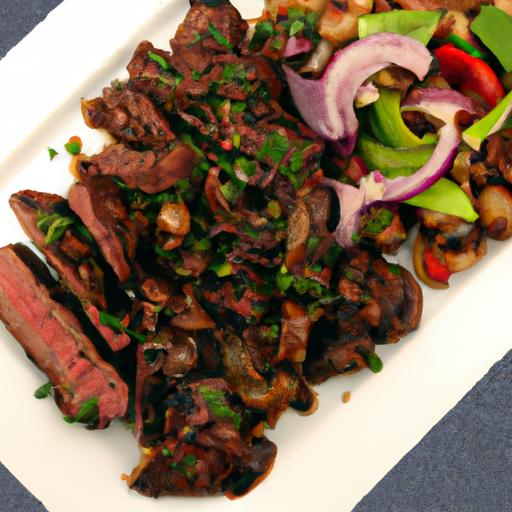
- Slicing to Serve: Slice the tri-tip thinly against the grain for maximum tenderness and an authentic Santa Maria experience.
Tips for Success
- Wood Choice: If red oak is unavailable,white oak or other hardwoods with mild smoke are good substitutes,but the subtle sweetness of red oak is unparalleled.
- Dry Rub Variations: For a twist, add a teaspoon of ground cumin or chili powder to deepen earthiness.
- Resting: Don’t skip the resting time; it lets juices redistribute and results in a juicy bite.
- Make-Ahead: Coat the tri-tip with dry rub the night before and refrigerate to intensify flavor.
- Thermometer Tip: Insert your thermometer into the thickest part to get an accurate reading.
Serving Suggestions
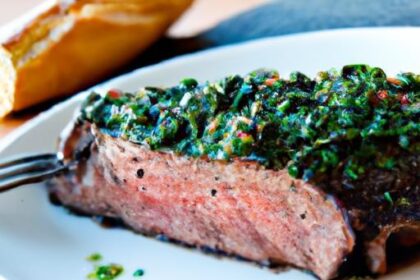
Present your tri-tip slices platter-style alongside classic Santa Maria staples like grilled pinquito beans, fresh salsa, and warm tortillas. A drizzle of chimichurri or a sprinkle of chopped fresh parsley adds a vibrant color and shining contrast. For a finishing touch, serve with grilled corn on the cob brushed with a hint of lime-infused butter and a crisp, citrusy salad to cut through the richness. A robust California Zinfandel or Malbec pairs beautifully with the smoky flavors, elevating this meal to celebratory heights.
| Nutritional information (per serving) | Amount |
|---|---|
| Calories | 320 kcal |
| Protein | 35 g |
| Carbohydrates | 2 g |
| Fat | 18 g |

Explore more grilling techniques to complement your Santa Maria style tri-tip adventure, and for in-depth details about the tri-tip cut, visit the Beef It’s What’s For Dinner official site.
Q&A
Q&A: Mastering Santa Maria Style Tri-Tip - A Flavorful Tradition
Q1: What exactly is Santa Maria Style Tri-Tip?
A1: Santa Maria Style Tri-Tip is a classic Californian barbecue tradition originating from the Santa Maria Valley. It features a triangular cut of beef-known as the tri-tip-seasoned simply with salt, pepper, and garlic salt, then grilled over red oak wood for a distinctive smoky flavor. The result is a juicy, tender steak with a flavorful crust and a rich, smoky aroma.
Q2: Why is tri-tip the star of Santa Maria barbecue?
A2: The tri-tip cut is a hidden gem-affordable, flavorful, and ideally suited for grilling. Its triangular shape cooks evenly, and when properly prepared, it boasts a perfect balance of a tender interior and a savory, caramelized crust. This cut gained popularity in mid-20th century California as a regional favorite for backyard barbecues and community gatherings.
Q3: What makes Santa Maria Style unique compared to other barbecue styles?
A3: Santa Maria Style stands out for its simplicity and authenticity. Rather of heavy marinades or complex barbecue sauces, it relies on a straightforward dry rub and pure wood fire grilling over the native red oak. The emphasis is on the quality of the meat and the smoky undertones imparted by the local wood,making it a celebration of natural flavors rather than embellishments.
Q4: How do you master the seasoning for Santa Maria Style tri-Tip?
A4: The seasoning is delightfully minimalistic: a balanced blend of coarse salt, freshly cracked black pepper, and garlic salt. Some pitmasters add a touch of onion powder or cayenne for subtle heat, but the key is not to overpower the beef’s natural taste. rubbing the tri-tip generously before grilling helps form that coveted flavorful crust.
Q5: What’s the secret to achieving the perfect grill over red oak wood?
A5: Patience and fire management are critical. Red oak burns hot and steady, imparting a subtle, sweet smoke that enhances the meat without overwhelming it. Start with a hot fire for searing the tri-tip, then move it to indirect heat to cook slowly, preserving juiciness. A good cook watches the flames, controls airflow, and keeps the smoke thin and steady throughout the process.
Q6: How long should you cook the tri-tip, and what’s the ideal internal temperature?
A6: Grill the tri-tip about 25-30 minutes total, turning occasionally to ensure even cooking. Aim for an internal temperature of around 130-135°F (54-57°C) for medium-rare, the preferred doneness to maintain juiciness and flavor. After grilling, let the meat rest for 10 minutes to allow juices to redistribute-a crucial final step.
Q7: What are traditional side dishes served with santa Maria Style Tri-Tip?
A7: This tradition extends beyond the meat, featuring simple, hearty sides like pinquito beans (a small pink bean native to the area), fresh salsa, grilled garlic bread, and a crisp green salad.These sides complement the tri-tip’s smoky richness without competing with its bold flavors.
Q8: Can Santa Maria style Tri-Tip be adapted for indoor cooking?
A8: Absolutely! While nothing quite matches red oak’s smoky charm, you can replicate the flavors indoors using a cast-iron grill pan or oven broiler. use a dry rub as usual, sear the tri-tip on high heat indoors, then finish cooking at a lower temperature. Consider adding a touch of smoked paprika or liquid smoke to mimic that iconic aroma.
Q9: Why has Santa Maria Style Tri-Tip endured for so many decades?
A9: Its enduring appeal lies in simplicity and community. It’s not just about food-it’s about gathering friends and family around the grill, celebrating tradition, and honoring approachable, delicious cuisine. The tri-tip’s flavorful profile and the hands-on grilling ritual make it a timeless favorite for both casual cooks and barbecue aficionados.
Q10: How can a beginner get started with Santa Maria Style Tri-Tip?
A10: Start by sourcing a good-quality tri-tip from a trusted butcher, gather coarse salt, cracked pepper, and garlic salt, and find a grill or smoker that can accommodate indirect heat-preferably with wood chips or chunks. Follow a trusted recipe,practice fire control,and don’t rush the resting phase. Most importantly, savor the process and enjoy the journey into this flavorful tradition!
To Conclude
As the smoky aroma of Santa Maria style tri-tip fills the air and the first tender, flavorful bite melts on your tongue, you begin to understand why this California classic has captured the hearts-and grills-of so many. Mastering this tradition isn’t just about perfect seasoning or ideal cooking times; it’s about embracing a culinary heritage that celebrates simplicity, community, and bold flavors. Whether you’re a seasoned pitmaster or a curious newcomer, carrying forward the spirit of Santa Maria style tri-tip invites you to savor more than just a meal-it’s an invitation to partake in a timeless tradition, one juicy slice at a time.So fire up your grill, grab your favorite rub, and let the flavorful journey begin.