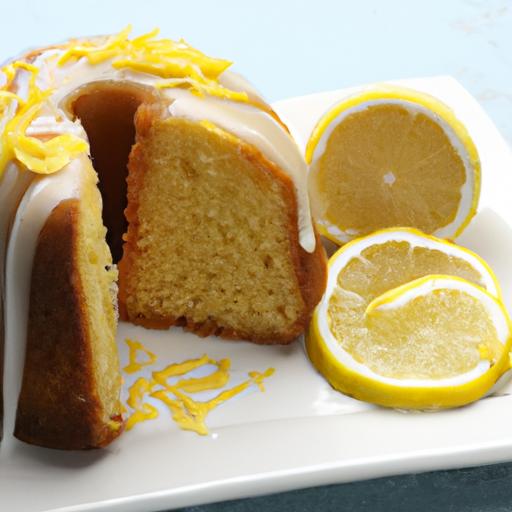



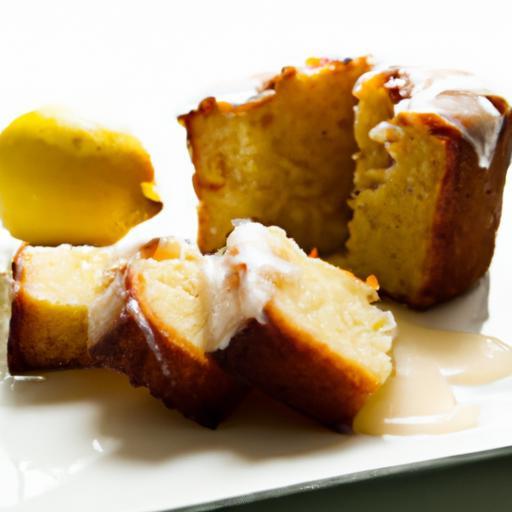
There’s something undeniably enchanting about the humble lemon drizzle cake-a symphony of tangy citrus and buttery sweetness that dances on the palate with every bite. But behind this zesty delight lies a fascinating interplay of science and art, where precise measurements meet creative flair too transform simple ingredients into a moist, flavor-packed masterpiece. In this exploration of the sweet science of lemon drizzle cake, we peel back the layers to uncover how acidity, sugar, and texture coalesce, revealing why this beloved treat continues to brighten kitchens and hearts around the world. Prepare to embark on a flavorful journey that’s as enlightening as it is delicious.
Zesty Delight: The Sweet Science of Lemon Drizzle Cake
Zesty Delight: The Sweet Science of Lemon drizzle Cake is a party of vibrant citrus notes perfectly balanced by golden sweetness-a dance of flavors that awakens the senses with every bite. Drawing inspiration from classic British teatime traditions and my grandmother’s cherished recipe, this cake embodies not only comfort and indulgence but also the precise culinary chemistry that elevates a simple lemon drizzle from ordinary to extraordinary.
Prep and Cook Time
- Preparation: 15 minutes
- Baking: 45 minutes
- Cooling and Glazing: 20 minutes
- Total Time: 1 hour 20 minutes
Yield
One 9-inch loaf cake, serving 8 generous slices
Difficulty Level
Easy to Medium – perfect for bakers of all levels looking to master citrus confection perfection
ingredients
- 1 ½ cups all-purpose flour, sifted
- 1 tsp baking powder
- ½ tsp fine sea salt
- ½ cup unsalted butter, softened
- 1 cup granulated sugar
- 2 large eggs, at room temperature
- 1 tbsp freshly grated lemon zest (about 2 lemons)
- ¼ cup fresh lemon juice
- ½ cup whole milk
- 1 tsp pure vanilla extract
- For the drizzle:
- ½ cup powdered sugar
- 2 tbsp fresh lemon juice
- 1 tsp lemon zest (optional, for texture)
instructions
- Preheat your oven to 350°F (175°C). grease and line a 9-inch loaf tin with parchment paper, allowing an overhang for easy removal.
- Whisk together the sifted flour,baking powder,and sea salt in a medium bowl; set aside to keep dry ingredients uniform.
- In a large bowl, cream the softened butter and granulated sugar using an electric mixer on medium speed until pale and fluffy, approximately 3-5 minutes. This aeration step ensures a light crumb.
- Beat in the eggs, one at a time, fully incorporating each before adding the next. Stir in the fresh lemon zest to release essential oils, providing that signature tang.
- Alternate adding the dry ingredients and milk to the butter mixture in three additions, beginning and ending with the dry mixture.Gently fold in each portion to maintain batter lightness without overmixing.
- Stir in the lemon juice and vanilla extract until just combined, infusing subtle brightness and aromatic depth.
- Pour the batter evenly into the prepared loaf tin and smooth the top with a spatula.Tap gently to release air bubbles, promoting even baking.
- Bake for 45 minutes, or until a toothpick inserted into the center comes out clean. Around the 35-minute mark, rotate the tin for uniform browning if your oven heats unevenly.
- While the cake bakes, prepare the glaze by whisking powdered sugar with fresh lemon juice and extra zest for added texture.
- Remove the cake from the oven and let it cool in the tin for 10 minutes. Then, puncture the top with a skewer multiple times to allow the glaze to seep in deeply.
- Pour the lemon drizzle glaze evenly over the warm cake,using a spoon or spatula to help it cascade down the sides for that signature glossy finish.
- Allow the cake to cool completely on a wire rack before slicing. This resting period ensures the glaze sets perfectly and the crumb stays moist.
Tips for success
- Maximize lemon zest flavor: Use a microplane grater directly over the bowl to capture volatile oils, enhancing the zest’s brightness without bitterness.
- For extra moistness: Substitute half of the milk with buttermilk or yogurt to add tenderness through acidity interaction with the baking powder.
- Ensure even baking: Use room temperature ingredients and avoid overmixing to prevent a dense texture.
- Glaze soak: Poking the cake before glazing is crucial; this step creates pockets that absorb the drizzle and elevate moistness to luscious new heights.
- Make-ahead magic: Store wrapped tightly in cling film at room temperature for up to 3 days, or freeze in an airtight container for up to 1 month; thaw completely before glazing.
serving Suggestions
Present slices dusted lightly with powdered sugar and garnished with thin lemon wheels or candied lemon peel for an elegant finish. A side of freshly whipped cream or crème fraîche beautifully complements the tartness. For afternoon tea, serve alongside delicate green tea or jasmine-infused sips to uplift the citrus symphony.

| Nutritional Info (per serving) | Amount |
|---|---|
| Calories | 320 kcal |
| Protein | 5 g |
| Carbohydrates | 45 g |
| Fat | 12 g |
For more creative citrus recipes, explore our Citrus-Inspired Desserts Collection. Expand your knowledge on the chemical interactions of lemon zest by visiting ScienceDaily’s insight on lemon oil compounds.
Q&A
Q&A: Zesty Delight – The Sweet Science of Lemon Drizzle Cake
Q1: What makes lemon drizzle cake so irresistibly delightful?
A1: Lemon drizzle cake masterfully balances tangy citrus with sweet indulgence. Its moist crumb, soaked in a zesty lemon syrup, creates a symphony of shining, refreshing flavors intertwined with buttery richness. This harmony awakens your palate, delivering a burst of sunshine in every bite.
Q2: How dose the lemon drizzle syrup enhance the cake’s texture and flavor?
A2: The drizzle isn’t just a decorative glaze-it’s a secret weapon in creating moistness. As the warm lemon syrup sinks into the cake post-baking, it infuses each crumb with a citrus punch, concurrently keeping the cake tender and amplifying its aromatic qualities. It’s both hydration and flavor explosion in liquid form.
Q3: Why is balancing acidity critically important in a lemon drizzle cake?
A3: Acidity from lemon juice can easily overpower a dessert if unchecked. The science lies in carefully balancing the tart brightness with sugar and butter, which mellow the sharpness while preserving the lively zing. This equilibrium is key to a cake that’s vibrant, not sour, with a sweet finish that lingers.
Q4: Can the process of making a lemon drizzle cake be altered to improve its zestiness?
A4: Absolutely! Using fresh, unwaxed lemons for zest ensures a potent, fragrant twist. Additionally, incorporating lemon zest into both the batter and the syrup maximizes citrus flavor. For the adventurous, a hint of lemon extract or even a splash of lemon oil can intensify the zing, but moderation is crucial to avoid bitterness.
Q5: What’s the science behind the cake’s moist crumb?
A5: The moist crumb owes much to the combination of fat from butter and the syrup’s syrupy lemon infusion. Butter coats flour proteins, limiting gluten formation and yielding tenderness, while the syrup locks in moisture post-baking.Also, the simple chemical reaction of baking powder releases carbon dioxide bubbles, giving the cake its airy lift.
Q6: How does the baking temperature affect the final lemon drizzle cake?
A6: Baking at a moderate temperature-around 350°F (175°C)-ensures the cake cooks evenly without drying out. Too hot, and the crust sets too quickly, preventing syrup absorption; too low, and the cake risks collapse or sogginess. achieving that golden crust with a soft center is all about controlled heat.Q7: Are there creative twists to the classic lemon drizzle cake that still honour its scientific roots?
A7: Certainly! Infusing the drizzle with herbs like thyme or rosemary introduces aromatic complexity, while substituting part of the white sugar with honey or agave can tweak sweetness and moisture. Experimenting with almond flour can alter texture, reflecting an understanding of ingredient interactions without losing the cake’s essence.Q8: What makes lemon drizzle cake a timeless favorite in baking culture?
A8: It’s the perfect marriage of simple ingredients with thoughtful technique-the cake’s bright flavor profile feels fresh, yet comforting. Its ease of preparation paired with deeply satisfying textures appeals to both novice bakers and connoisseurs alike, embodying that rare sweet spot where science meets soulful homemade goodness.
In Summary
As the final crumbs settle and the last drops of glaze sparkle on your plate, it’s clear that lemon drizzle cake is more than just a treat-it’s a harmonious blend of chemistry and craftsmanship. This zesty delight captures the delicate dance between acidity and sweetness, texture and tenderness, turning simple ingredients into a symphony of flavors. Whether you’re a seasoned baker or a curious taste adventurer, understanding the sweet science behind this classic cake adds a new layer of appreciation to every tangy bite. So next time you slice into a lemon drizzle, savor not just the vibrant citrus burst, but the thoughtful science that makes each mouthful a true lemon-infused masterpiece.