
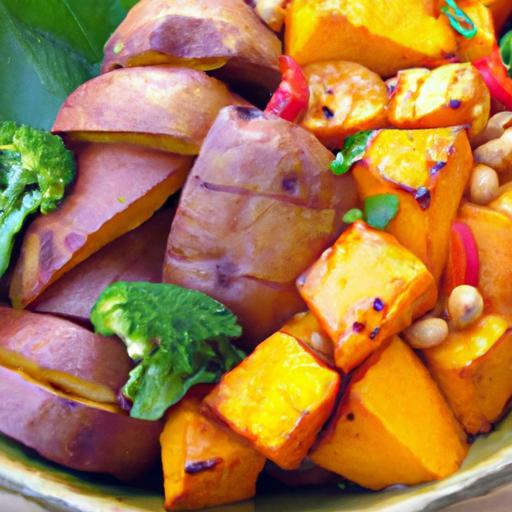
In a world were vibrant flavors meet wholesome nourishment, the Thai Peanut Sweet Potato Buddha Bowl stands out as a party of color, texture, and taste. This recipe guide invites you on a culinary adventure through layers of roasted sweetness,creamy peanut goodness,and fresh,crunchy greens-all harmonizing in a bowl that’s as beautiful as it is delicious. Whether you’re a seasoned plant-based eater or simply looking to add a burst of vitality to your meals, this Thai-inspired creation promises a perfect balance of bold spices and comforting ingredients that will awaken your palate and fuel your day. Join us as we explore the art of building this flavorful, nutrient-packed Buddha bowl that turns simple ingredients into a satisfying masterpiece.
flavorful Thai Peanut Sweet Potato Buddha Bowl Recipe Guide invites you on a vibrant culinary journey where creamy peanut sauce meets roasted sweet potatoes, fresh crunchy veggies, and fragrant herbs. This dish is not only a feast for the eyes but also a harmonious dance of textures and authentic Southeast Asian flavors, perfect for anyone looking to elevate their bowl game with wholesome goodness.
Prep and Cook Time
Prep Time: 15 minutes
Cook Time: 25 minutes
Total Time: 40 minutes
Yield
4 generous servings
Difficulty Level
Easy to Medium – perfect for home cooks seeking vibrant flavors with minimal fuss
Ingredients
- 2 large sweet potatoes, peeled and cubed into 1-inch pieces
- 2 tbsp olive oil
- Salt and freshly ground black pepper, to taste
- 1 cup cooked jasmine rice (or quinoa for a protein boost)
- 1 cup shredded red cabbage
- 1 large carrot, julienned or spiralized
- 1/2 cup edamame, shelled and cooked
- 1/4 cup chopped fresh cilantro
- 1/4 cup chopped green onions
- 1/4 cup crushed roasted peanuts, for garnish
- 1 lime, cut into wedges
For the Ultimate Thai Peanut Sauce
- 1/3 cup creamy peanut butter (natural and unsweetened recommended)
- 2 tbsp soy sauce or tamari for gluten-free
- 1 tbsp toasted sesame oil
- 1 tbsp fresh lime juice
- 1 tbsp maple syrup or honey
- 1 garlic clove, minced
- 1 tsp freshly grated ginger
- 1/2 tsp red pepper flakes (adjust to desired heat)
- Water, to thin sauce as needed
Instructions
- Preheat the oven to 400°F (200°C). Toss sweet potato cubes with olive oil, salt, and pepper, ensuring each cube is well-coated.
- Spread sweet potatoes evenly on a baking sheet lined with parchment paper to avoid sticking. Roast for 20-25 minutes until soft and caramelized, turning halfway through for even browning.
- While the potatoes roast, prepare the Thai peanut sauce. in a medium bowl, whisk together peanut butter, soy sauce, sesame oil, lime juice, maple syrup, garlic, ginger, and red pepper flakes. Add water one tablespoon at a time until the sauce reaches a silky, pourable consistency.
- Assemble the bowls: Distribute jasmine rice evenly among four bowls as the base. Layer with warm roasted sweet potatoes, shredded red cabbage, carrots, and edamame.
- Drizzle generously with the thai peanut sauce over each bowl, then sprinkle with chopped cilantro, green onions, and crushed peanuts.
- Serve immediately with lime wedges on the side for a fresh, zesty finish.Squeeze lime over the bowl to brighten every bite.
Tips for Success
- Roast in a single layer: Crowding sweet potatoes can steam them rather than roast, preventing that gorgeous caramelized texture.
- Make sauce ahead: The Thai peanut sauce can be prepared up to 3 days in advance and stored in an airtight container in the fridge; just whisk before use and add water to adjust thickness.
- Customize the bowl: Swap jasmine rice for brown rice, quinoa, or cauliflower rice for a low-carb option.
- Add protein: Grilled tofu, shredded chicken, or sautéed shrimp work beautifully to boost nutrition.
- Balance flavors: If your sauce is too salty or thick, a splash of coconut milk or water helps mellow and smooth the taste.
Serving Suggestions and Meal Prep Tips
For vibrant meal prep success, store each component separately to maintain freshness. Keep the Thai peanut sauce in a small jar or container, and drizzle just before serving to avoid sogginess. Use airtight containers and chill within two hours of cooking. Garnish bowls right before eating – fresh lime wedges and crushed peanuts not only elevate flavor but add a satisfying crunch and tangy pop.pair your Buddha bowl with a chilled cucumber salad or drink aromatic jasmine tea for a signature Thai-inspired experience.
| Nutrient | Per serving |
|---|---|
| Calories | 480 kcal |
| Protein | 12 g |
| Carbohydrates | 58 g |
| Fat | 18 g |

explore more vibrant bowl recipes in our Plant-Based Buddha Bowls collection and deepen your understanding of conventional Thai ingredients with this authentic Thai peanut sauce guide by serious Eats.
Q&A
Q&A: flavorful Thai Peanut Sweet Potato Buddha Bowl Recipe Guide
Q1: What makes the Thai Peanut Sweet Potato buddha Bowl so special?
A1: This bowl is a vibrant symphony of flavors and textures! The creamy, nutty Thai peanut sauce perfectly complements the natural sweetness of roasted sweet potatoes, while fresh veggies add crunch and color. It’s a nourishing, plant-powered meal that’s as beautiful to look at as it is delicious to eat.
Q2: Can I customize the veggies in this Buddha bowl?
A2: Absolutely! Buddha bowls are all about flexibility. Swap in your favorite seasonal vegetables-think crunchy bell peppers, crisp cucumbers, or tender snap peas.just aim for a mix of textures and colors to keep every bite exciting.
Q3: What’s the secret behind the perfect Thai peanut sauce?
A3: The magic lies in balancing savory, sweet, spicy, and tangy notes. Classic ingredients include creamy peanut butter, soy sauce or tamari, fresh lime juice, a touch of sweetness like honey or maple syrup, garlic, ginger, and a hint of chili for warmth.Whisk together until silky smooth-that luscious sauce ties the entire bowl together.
Q4: Is this recipe suitable for vegans and gluten-free diets?
A4: Yes! By using tamari or gluten-free soy sauce, the bowl stays gluten-free.Skip any honey and use maple syrup or agave nectar to keep the recipe vegan. It’s a wholesome, inclusive dish that anyone can enjoy.
Q5: How do I roast the sweet potatoes to get them tender but slightly crispy?
A5: roast cubed sweet potatoes at 425°F (220°C) for about 25-30 minutes. Toss them in a bit of olive oil, salt, and a pinch of chili flakes for a subtle kick before roasting. Make sure to spread them out on the baking sheet to avoid steaming-this helps achieve that perfect crispy edge.
Q6: Can I meal prep these bowls in advance?
A6: Definitely! Roast your sweet potatoes and prep the veggies ahead of time. keep your peanut sauce in a separate container to drizzle just before serving, so everything stays fresh and vibrant throughout the week.
Q7: What can I add for extra protein?
A7: Tofu,tempeh,or chickpeas are fantastic plant-based protein options.Marinate and roast them alongside the sweet potatoes for a protein-packed punch. Alternatively,a sprinkle of roasted peanuts or hemp seeds adds both protein and crunch.
Q8: Any tips for plating a visually stunning Buddha bowl?
A8: Absolutely-color contrast is key. Arrange your components side-by-side rather than mixed, showcasing each ingredient’s vibrant hue. Garnish with chopped cilantro,sliced green onions,and a wedge of lime to finish with flair.
Q9: Does the peanut sauce store well?
A9: It does! Store it in an airtight container in the fridge for up to a week. Give it a rapid stir before use,and add a splash of warm water if it thickens too much.
Q10: Why should I add lime juice to this Buddha bowl?
A10: Lime juice adds a shining, zesty punch that awakens all the flavors in the bowl. The acidity cuts through the richness of the peanut sauce and roasted sweet potatoes,creating a balanced and refreshing bite every time.
Ready to dive in? This Thai Peanut Sweet Potato buddha Bowl is more than just a meal-it’s a celebration of wholesome ingredients, bold flavors, and vibrant wellbeing on a plate!
To Conclude
As you’ve discovered, the vibrant fusion of roasted sweet potatoes and rich Thai peanut sauce transforms a simple Buddha bowl into a symphony of flavors and textures. This recipe isn’t just a meal; it’s an invitation to explore the balance of sweet, savory, and spicy elements that define Thai-inspired cuisine. Perfect for nourishing both body and soul, your flavorful thai Peanut Sweet Potato Buddha Bowl is a versatile canvas-ready to be customized and enjoyed any day of the week. So next time you’re craving something wholesome with a kick, let this bowl be your delicious destination. Happy cooking!