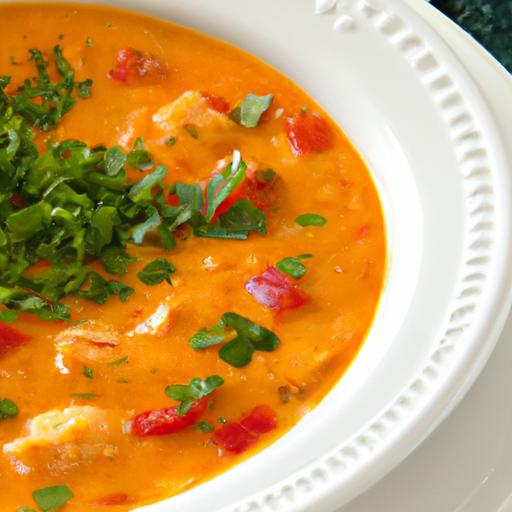

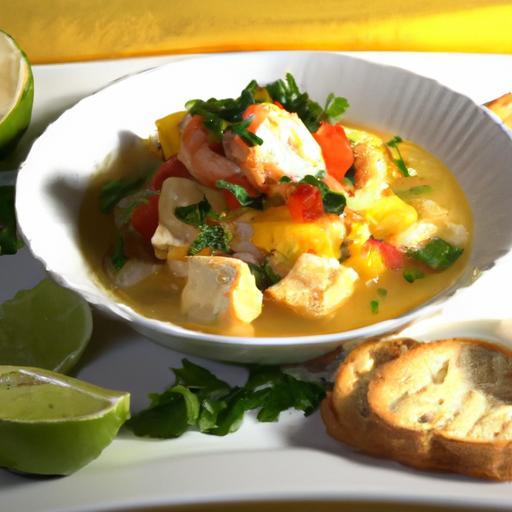
Nestled along the sun-kissed shores of Brazil, where the Atlantic ocean meets vibrant coastal culture, a culinary treasure simmers gently in clay pots and open fires - Moqueca de Peixe. This iconic fish stew is more than just a dish; it’s a flavorful celebration of Brazil’s rich maritime heritage and diverse ingredients. Bursting wiht the aromas of coconut milk, fresh herbs, and zesty peppers, Moqueca de peixe invites food lovers on a sensory journey to the heart of Brazilian coastal traditions. Join us as we dive into the delicious depths of this beloved stew,uncovering its history,regional variations,and the secrets that make it a must-try for anyone enchanted by bold,authentic flavors.
Origins and Cultural Significance of Moqueca de Peixe
Moqueca de Peixe is much more than a vibrant,fragrant stew; it is a culinary treasure deeply rooted in Brazil’s coastal heritage.Originating from the state of Bahia,this dish reflects a beautiful fusion of indigenous Brazilian,African,and Portuguese influences. The use of fresh fish simmered gently in a rich broth of coconut milk, palm oil, and aromatic herbs tells a story of Brazil’s diverse past and its abundant natural bounty.
Growing up near the Atlantic shores, I was captivated by the rhythmic sound of fishermen bringing in their daily catch and the irresistible aromas wafting from local kitchens preparing Moqueca de Peixe. This stew isn’t just food; it’s an expression of community, tradition, and celebration-often shared during family gatherings, festivals, and holidays, making every spoonful a taste of Brazil’s soul.
Key Ingredients That Define the Authentic Flavor
At the heart of Moqueca de Peixe lies a carefully balanced blend of ingredients that deliver the stew’s iconic layers of flavor. The freshness of the fish-preferably firm white fish like snapper or cod-combined with the creamy sweetness of coconut milk creates a luscious base. Dendê oil (red palm oil) imparts a unique earthy and slightly smoky aroma essential to true Bahian moqueca. Juicy,ripe tomatoes,bell peppers,and onions contribute brightness and texture,while fresh cilantro and scallions provide a fragrant herbal lift. The subtle heat from malagueta peppers adds a playful kick without overwhelming the dish.
Step-by-Step Guide to Preparing a Conventional moqueca de Peixe
Preparing Moqueca de Peixe is a rewarding ritual that invites you to slow down and savor each step. Here’s a detailed, approachable recipe to bring the authentic flavors of Brazil’s coast right to your kitchen table.
Prep and Cook Time
- Planning: 20 minutes
- Cooking: 35 minutes
- Total: 55 minutes
Yield
Serves 4 generous portions
Difficulty Level
Medium – Perfect for adventurous home cooks ready to explore rich flavors and diverse techniques.
Ingredients
- 2 pounds firm white fish fillets (snapper, cod, or sea bass), cut into large chunks
- Juice of 2 limes
- Salt and freshly ground black pepper, to taste
- 3 tablespoons dendê oil (red palm oil; see Chef’s Notes if unavailable)
- 1 large onion, sliced into thin rings
- 1 red bell pepper, sliced into strips
- 1 yellow bell pepper, sliced into strips
- 4 ripe tomatoes, peeled and chopped
- 3 cloves garlic, minced
- 1 cup coconut milk (full-fat for richness)
- 1 bunch scallions, chopped
- 1 bunch fresh cilantro, chopped
- 1 small malagueta pepper (optional, finely sliced, for heat)
- 2 tablespoons olive oil
Instructions
- Marinate the fish: Place the fish chunks in a bowl. Season generously with lime juice, salt, and pepper. Let rest for 15 minutes while you prepare the vegetables. This tenderizes the fish and builds fresh citrus tones.
- Sauté aromatics: Heat the olive oil and dendê oil together in a heavy-bottomed pan or traditional clay pot over medium heat. Add the onions, garlic, and malagueta pepper. Sauté until the onions turn translucent and fragrant, about 5 minutes.
- Add peppers and tomatoes: Stir in the red and yellow bell peppers alongside the chopped tomatoes. Cook, stirring occasionally, until the vegetables soften and release their juices, about 10 minutes.
- Incorporate coconut milk: Pour the coconut milk into the pan and bring the mixture to a gentle simmer. Let it cook uncovered, allowing the flavors to meld and the broth to thicken slightly, about 8 minutes.
- Layer the fish and herbs: Gently nestle the marinated fish pieces into the simmering broth. Sprinkle scallions and half the cilantro on top. Cover the pot and simmer very gently until the fish is opaque and cooked through, about 12 minutes. Avoid stirring vigorously to keep the fish intact.
- Final touch: Taste the stew and adjust salt and pepper. Just before serving, sprinkle the remaining cilantro for a luminous herbal note.
Tips for Success
- If you cannot find dendê oil,substitute with a blend of olive oil and a small amount of toasted sesame oil to mimic the nutty depth.
- Choose the freshest firm white fish available and avoid fillets that are too flaky or oily to maintain the stew’s delicate texture.
- For a make-ahead option, prepare the sauce base up to 24 hours ahead and refrigerate. Add the fish and finish cooking right before serving to preserve its tenderness.
- Pair the malagueta pepper with caution; it is indeed potent,so add gradually if you prefer mild heat.
Serving Suggestions and perfect Pairings for an Unforgettable Meal
Moqueca de Peixe is best enjoyed piping hot, straight from the pot, accompanied by fluffy white rice to soak up its luscious broth. A side of farofa (toasted cassava flour) adds delightful texture and authenticity. To elevate the experience, serve with fried plantains or a fresh palm heart salad for contrasting flavors and a nod to Bahia’s culinary diversity.
For beverages, a crisp cold Brazilian lager or a light, citrusy white wine such as Sauvignon Blanc perfectly complements the stew’s rich and aromatic profile. garnish with a few fresh cilantro sprigs and thin lime wedges for color and an extra hint of zing.

| Nutrition per Serving | Amount |
|---|---|
| Calories | 380 |
| Protein | 35g |
| Carbohydrates | 10g |
| Fat | 22g |
Explore more vibrant Brazilian dishes by visiting our Brazilian cuisine collection. For deeper insights into dendê oil and its culinary importance,check out this detailed article on Britannica’s palm oil overview.
Q&A
Q&A: Moqueca de Peixe – A Flavorful Dive into Brazilian Fish Stew
Q1: What exactly is Moqueca de Peixe?
A1: Moqueca de Peixe is a vibrant Brazilian fish stew that beautifully marries fresh seafood with tropical ingredients like coconut milk,dendê oil (palm oil),tomatoes,peppers,and cilantro.It’s a soulful dish that captures the essence of Brazil’s coastal culinary heritage,simmered slowly to create a rich,aromatic broth that tastes like a warm hug from the sea.
Q2: Where does Moqueca de Peixe originate from?
A2: This beloved stew hails from the northeastern state of Bahia and the southern region of Espírito Santo in Brazil. While both regions boast their own unique twists-Bahian Moqueca highlights creamy coconut milk and the distinctive flavor of dendê oil, whereas the Espírito Santo version is lighter and frequently enough cooked with olive oil-the heart of moqueca lies in its celebration of fresh, local fish and bold, tropical flavors.
Q3: What types of fish are traditionally used in Moqueca?
A3: Traditionally, Moqueca is made with firm, white-fleshed fish such as snapper, grouper, or sea bass. The choice depends on availability and freshness, as the fish needs to hold up well during the slow simmering process without falling apart. The focus is on freshness and quality to let the natural flavors shine through.
Q4: What makes moqueca de Peixe different from other seafood stews?
A4: Unlike many seafood stews that rely heavily on spice or tomato bases alone, Moqueca dazzles with its harmonious blend of ingredients like coconut milk and dendê oil, which lend a silky texture and a subtle smoky sweetness.The interplay of bright citrus, fresh herbs, and the earthiness of palm oil sets it apart, evoking the sun-drenched Brazilian coastline in every spoonful.
Q5: Can Moqueca de Peixe be adapted for different diets or preferences?
A5: Absolutely! While Moqueca is traditionally fish-based, its core technique and flavors adapt beautifully for shellfish or even vegetarian versions using hearty vegetables like hearts of palm or jackfruit. For those avoiding dendê oil,olive oil can be substituted to approximate the southern Espírito Santo style,keeping the stew both authentic and approachable.
Q6: How is Moqueca de Peixe typically served?
A6: Moqueca is often paired with fluffy white rice and crispy farofa (toasted manioc flour), which soaks up the luscious broth perfectly. A splash of fresh lime or a sprinkle of chopped cilantro on top brightens the dish just before serving. Some enjoy it alongside pirão-a savory manioc flour porridge stirred into the stew’s broth for extra comfort.
Q7: What is the cultural significance of Moqueca de Peixe in Brazil?
A7: moqueca is much more than a meal-it’s a culinary tradition deeply intertwined with Brazil’s coastal communities, Afro-Brazilian heritage, and the bounty of the sea. Enjoyed during family gatherings and festive occasions, it’s a dish that tells stories of the ocean, land, and the vibrant spirit of Brazil’s people, making every bite a flavorful dive into culture and history.
Q8: Any tips for someone making Moqueca de Peixe at home?
A8: Keep things fresh and simple! Use the freshest fish you can find, don’t rush the simmering process, and resist the urge to stir too vigorously-this helps the fish cook gently without breaking apart. Embrace the colorful medley of vegetables and herbs,and don’t shy away from that golden dendê oil if you can find it-it’s the magic ingredient that transforms the stew into an unforgettable experience.
Wrapping Up
As you close the pot on this flavorful journey through Moqueca de Peixe, you’re left with more than just the lingering aroma of coconut milk, dendê oil, and fresh seafood-you carry with you a taste of Brazil’s vibrant coastal heritage. This humble fish stew, simmering with layers of tradition and regional nuance, invites both seasoned food lovers and curious newcomers to dive deeper into the rich tapestry of Brazilian cuisine. So next time you crave a dish that’s as colorful in history as it is on your plate, let Moqueca de Peixe transport you to sun-kissed shores and the warm embrace of a culture that knows how to celebrate the sea’s bounty with every savory spoonful.