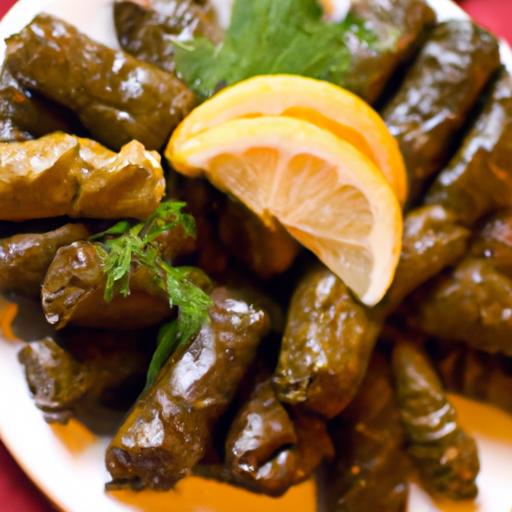

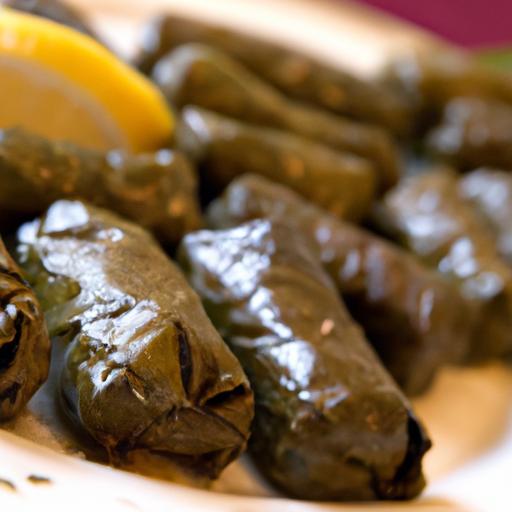
in the sun-drenched landscapes of the Mediterranean, where history dances with vibrant flavors, Greek cuisine stands as a timeless celebration of culture and craft. Among its many culinary treasures, dolmades-those delicate grape leaves lovingly stuffed with fragrant rice, herbs, and occasionally savory meats-hold a special place on tables and in hearts. more than just a dish, dolmades are a testament to an art form passed down thru generations, blending skill, tradition, and a touch of Mediterranean magic. Join us as we unravel the story behind thes succulent parcels, exploring the secrets of their readiness and the cultural meaning that makes Greek dolmades a true delight to savor.
Greek Dolmades Delight is more than just a dish; it’s an embodiment of tradition, history, and a celebration of Mediterranean flavors wrapped in tender grape leaves. Originating from Ancient Greece and embracing influences from the Ottoman Empire, dolmades have long been a culinary symbol of family gatherings, festive celebrations, and heartwarming hospitality. As a food stylist and culinary storyteller, I’m drawn to how these delicate parcels fuse the simple with the refined – each bite revealing a balanced harmony of herbs, tangy lemon, and subtly savory rice that invokes the sun-soaked Aegean coast.
Prep and cook time
- Preparation: 30 minutes
- Cooking: 45 minutes
- Total Time: 1 hour 15 minutes
Yield
Approximately 24 stuffed grape leaves (serving 6 as an appetizer)
Difficulty Level
medium: Requires patience and gentle hands for rolling but well within reach of enthusiastic home cooks.
Ingredients
- 1 jar (16 oz) grape leaves, rinsed and drained
- 1 cup long-grain white rice, rinsed
- 1 large onion, finely chopped
- 2 tablespoons olive oil, plus extra for drizzling
- ½ cup fresh dill, chopped
- ½ cup fresh parsley, chopped
- ¼ cup fresh mint, chopped
- Juice of 2 lemons
- 1 teaspoon sea salt
- ½ teaspoon black pepper
- 1 cup vegetable broth or water
Instructions
- Prepare the grape leaves: Drain the grape leaves and rinse them under cold water to remove excess brine. If the stems are tough, trim them gently using a sharp knife.
- Make the filling: Heat 2 tablespoons of olive oil in a skillet over medium heat. Add the finely chopped onion and sauté until translucent and tender, about 5 minutes, stirring regularly to avoid browning.
- Add the rice: Stir the rinsed rice into the onions,cooking for 2 minutes to toast lightly,stirring often to coat the grains with oil.
- Combine herbs and seasonings: Remove from heat and transfer to a bowl. Mix in chopped dill, parsley, mint, lemon juice, salt, and pepper. Stir well to ensure an even herbal blend.
- Roll the dolmades: Lay a grape leaf shiny side down on a flat surface, stem end towards you.Place approximately 1 tablespoon of filling near the stem end. Fold the sides over the filling and roll it tightly from the stem upwards, creating a neat, compact cylinder. Avoid overfilling to prevent tearing.
- Layer in the pot: Place a few grape leaves on the bottom of a medium pot to prevent sticking. Arrange the stuffed leaves seam side down in tight rows, packing them closely without forcing.
- Cook with care: Drizzle 2 tablespoons of olive oil over the dolmades, pour 1 cup of vegetable broth evenly, and cover with a heavy plate to keep the rolls submerged during cooking.
- Simmer gently: Cover the pot and cook on low heat for 40-45 minutes.Check occasionally to maintain liquid levels if necessary, adding a splash of water if the broth absorbs too quickly.
- Rest before serving: Allow dolmades to cool slightly in the pot to firm up and develop flavor.
Chef’s Notes & Tips for Success
- Herb freshness: Use fresh herbs for vibrant flavor. If unavailable, dried herbs can be used but reduce quantities by half.
- Rinsing grape leaves: Proper rinsing is essential to eliminate saltiness and bitterness.
- Rolling technique: Practice gentle but firm rolling. Overstuffing can cause tearing, while loose rolls may unravel while cooking.
- Make ahead: Dolmades taste even better the next day as flavors meld. Store covered in the fridge for up to 3 days.
- For a non-vegetarian version: Add finely minced lamb or beef to the rice mixture for a heartier filling.
- Lemon love: Serving dolmades with additional lemon wedges enhances their bright, tangy profile.
Serving Suggestions
Present your dolmades warm or at room temperature on a rustic platter, garnished with extra chopped herbs, a drizzle of high-quality olive oil, and wedges of lemon. Accompany them with creamy tzatziki or a cool Greek yogurt dip to balance the earthiness. A side of fresh pita bread and a crisp Greek salad creates a well-rounded Mediterranean experiance that invites sharing and storytelling around the table.

| Nutrient | Per Serving (4 Dolmades) |
|---|---|
| Calories | 150 kcal |
| Protein | 3 g |
| Carbohydrates | 28 g |
| Fat | 4 g |
For more delicious Mediterranean recipes that complement your Greek Dolmades Delight, explore our Mediterranean Meze Collection. To deepen your understanding of the cultural importance of stuffed grape leaves, visit Encyclopaedia Britannica.
Q&A
Q&A: Greek dolmades Delight – The Art of Stuffed Grape Leaves
Q1: What exactly are dolmades?
A1: Dolmades are a beloved staple of Greek cuisine-tender grape leaves lovingly wrapped around a savory filling, typically rice mixed with fresh herbs, spices, and sometimes ground meat. they are little parcels of flavor, bursting with Mediterranean charm in every bite.
Q2: Where does the tradition of dolmades come from?
A2: The art of stuffing vine leaves dates back centuries and is a testament to the resourcefulness and creativity of Mediterranean cooks. While dolmades are most famously greek, variations exist throughout the Middle East and the Balkans, each culture adding its unique twist to this ancient dish.
Q3: What makes grape leaves the perfect wrapper?
A3: Grape leaves offer a delicate yet sturdy envelope that locks in moisture while infusing the filling with a subtle, tangy earthiness. When blanched just right, they become tender and pliable, making the rolling process an art form in itself.
Q4: What are the key ingredients in customary Greek dolmades?
A4: Classic Greek dolmades typically feature short-grain rice,fresh herbs like dill,mint,and parsley,onions,olive oil,and lemon juice. some recipes add pine nuts or currants for texture and sweetness. Meat-filled dolmades use finely ground lamb or beef, adding a hearty dimension.
Q5: How are dolmades typically served?
A5: dolmades can be savored warm or cold, often accompanied by a drizzle of creamy tzatziki or a squeeze of fresh lemon. In Greece, they’re enjoyed as part of a meze spread-a convivial assortment of small dishes perfect for sharing.
Q6: is there a special technique to rolling dolmades?
A6: Absolutely! Rolling dolmades is a mindful, almost rhythmic process. A small amount of filling is placed on the leaf’s center, edges folded neatly, then rolled tightly to encase the filling without tearing the leaf. The goal is uniformity, ensuring even cooking and a stunning presentation.
Q7: Can dolmades be made ahead of time?
A7: Yes! Dolmades actually benefit from some resting time, allowing the flavors to meld beautifully. They can be prepared in advance and served chilled or gently reheated,making them a perfect dish for entertaining.
Q8: what makes Greek dolmades a cultural symbol?
A8: Beyond their delicious taste, dolmades represent Greek hospitality, tradition, and connection to the land.Every stuffed leaf tells a story of family gatherings, seasonal harvests, and the timeless joy of sharing food made with love.
Q9: Are there modern twists on the traditional dolmades?
A9: Certainly! Contemporary chefs experiment with fillings-quinoa rather of rice,vegan options bursting with mushrooms or lentils,and inventive sauces to elevate this classic.Yet, no matter the variation, the soul of dolmades-comfort wrapped in vine leaves-remains intact.Q10: How can someone new to Greek cuisine best enjoy dolmades?
A10: Approach dolmades with an open heart and a curious palate. Pair them with other Mediterranean favorites like olives, feta, and fresh bread. Sip on a crisp white wine or ouzo to complement the bright, herbaceous notes. Most importantly-enjoy them in good company!
Key Takeaways
As the vine leaves fold tenderly around fragrant rice, herbs, and spices, dolmades unveil more than just a dish-they reveal a rich tapestry of history, culture, and culinary artistry. Each bite carries whispers of ancient kitchens and sun-soaked Mediterranean hillsides, inviting us to savor a tradition passed lovingly through generations. Whether enjoyed as a humble appetizer or a centerpiece of celebration, greek dolmades remind us that food is more than nourishment; it is indeed a delicious story told leaf by leaf, a timeless delight that continues to bring people together around the table. So next time you encounter these little parcels of joy, take a moment to appreciate the art and heritage wrapped within-because in every dolma lies a taste of Greece’s enduring soul.