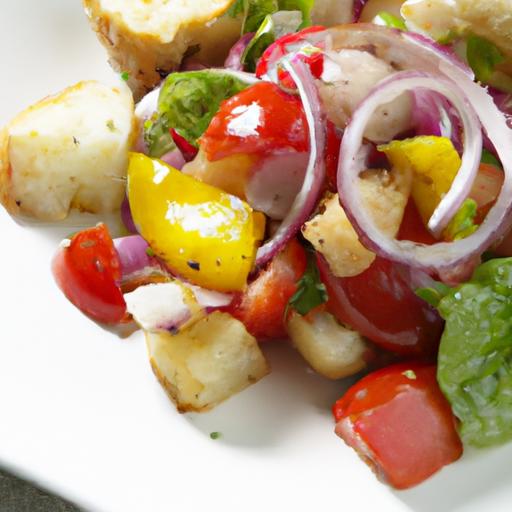


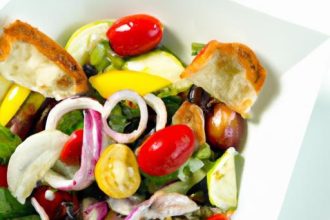

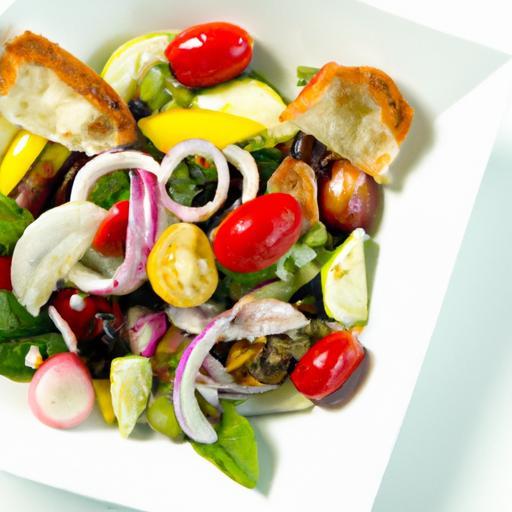
There’s a certain magic in simplicity, especially when it comes to food. Enter panzanella: the rustic Italian salad that transforms humble stale bread and ripe summer tomatoes into a symphony of textures and flavors.Far from being just a salad, Panzanella is a party of freshness, tradition, and resourcefulness - a dish that invites you to savor the season while embracing the art of clever cooking. In this ultimate guide, we’ll take you on a journey through the origins, essential ingredients, and expert techniques to help you master Panzanella like a true Italian nonna, turning this everyday salad into a culinary masterpiece that’s both hearty and refreshing.
Mastering Panzanella,the quintessential rustic Tuscan salad,begins with an appreciation for its simple yet intensely satisfying combination of textures and flavors. Originating from humble peasant kitchens, this dish transforms day-old bread, ripe vegetables, and an aromatic dressing into a vibrant summer meal that bursts with Mediterranean freshness. Each ingredient plays a vital role in achieving the salad’s signature harmony-crisp, softened bread bites mingling with juicy tomatoes and herbs, all enlivened by a zesty vinaigrette. Let’s dive into crafting this timeless classic that captures the heart of Italian countryside dining.
Prep and Cook Time
- Preparation: 20 minutes
- Resting Time: 30 minutes
- Total Time: 50 minutes
Yield
Serves 4-6 as a refreshing side or light main course.
Difficulty Level
Easy – Perfect for cooks of all levels eager to embrace rustic elegance.
Ingredients
- 4 cups stale rustic bread, cut into 1-inch cubes (preferably ciabatta or country loaf)
- 3 large ripe heirloom tomatoes, cut into wedges
- 1 cucumber, peeled and diced
- 1/2 red onion, thinly sliced
- 1 cup fresh basil leaves, torn
- 1/4 cup extra virgin olive oil, plus more for toasting bread
- 3 tbsp red wine vinegar
- 1 clove garlic, minced
- Salt and freshly ground black pepper to taste
- Optional: 1 tsp capers or olives for briny depth
Instructions
- Prep the bread: Preheat your oven to 350°F (175°C). Toss the bread cubes with a drizzle of olive oil and spread them evenly on a baking sheet. Toast for 10-12 minutes, turning halfway, until golden and crisp but not rock hard.The goal: crunchy exterior with a slightly chewy interior.
- Hydrate your bread: Once toasted, place the bread cubes in a large bowl. Set aside while you prepare other ingredients; the bread will soften slightly to absorb dressing without turning mushy.
- Mix the dressing: In a small bowl, whisk together the olive oil, red wine vinegar, minced garlic, salt, and pepper.Taste and adjust acidity or seasoning – this shining dressing will unify the salad’s rustic flavors.
- Combine vegetables: In another large bowl, gently fold the tomatoes, cucumber, and red onion with the torn basil leaves. If using capers or olives, add now for a subtle salty kick.
- Assemble the salad: Pour the dressing over the vegetables and toss to coat evenly. Add the bread cubes and gently toss again, allowing the bread to soak up some of the flavorful juices.
- Rest and meld flavors: Let the salad sit at room temperature for at least 30 minutes before serving. This resting period is crucial-bread softens perfectly, and all elements meld into a cohesive, rustic delight.
- Final seasoning: Give the salad one last gentle toss, taste, and adjust salt, pepper, or vinegar as needed. Serve in a rustic bowl with a drizzle of extra virgin olive oil.
Tips for Success
- Choosing the perfect bread: Stale rustic bread like ciabatta or country loaf with a firm crust works best. Avoid overly soft or pre-sliced sandwich bread as it won’t hold texture.
- Balancing freshness: Use vibrant, perfectly ripe tomatoes for sweetness and juiciness. fresh herbs are non-negotiable; basil elevates the salad but feel free to experiment with parsley or mint.
- Crafting your dressing: Use a quality extra virgin olive oil and good red wine vinegar. The dressing should be bright, tangy, and just a touch garlicky-taste as you go!
- Rest time is key: Resist the urge to serve promptly. Thirty minutes allows textures to marry beautifully-bread absorbs just enough dressing without becoming soggy.
- Make ahead: Prep vegetables and dressing separately ahead of time. Toast bread cubes freshly before assembling for the best texture.
Serving Suggestions
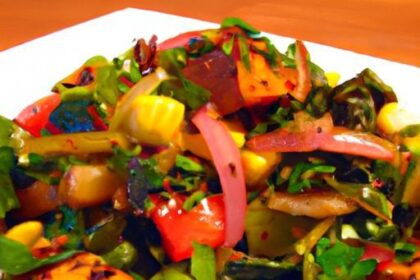
Present your Mastering Panzanella salad in a wide, shallow bowl to showcase the colorful tomato wedges and basil leaves. Garnish with extra torn basil, a sprinkling of flaky sea salt, and an additional drizzle of high-quality olive oil. Pair it with grilled seafood or roasted chicken for a complete Mediterranean experience.A crisp white wine like Vermentino or a glass of chilled Rosé complements the salad’s vibrant acidity wonderfully.

| Nutrient | Per Serving |
|---|---|
| Calories | 320 kcal |
| Protein | 7 g |
| Carbohydrates | 40 g |
| Fat | 14 g |
For a deeper dive into rustic Italian salads, explore our Classic Italian Summer Salads guide. also, for understanding the science behind bread and texture, visit BreadWorld’s expert advice.
Q&A
Q&A: Mastering Panzanella – The Ultimate Guide to the Best Rustic Salad
Q1: What exactly is Panzanella?
A1: Panzanella is a vibrant, rustic Italian salad that celebrates the humble loaf of day-old bread. Originating from Tuscany, it’s a delightful medley of soaked bread cubes, ripe tomatoes, fresh basil, cucumbers, onions, and a tangy vinaigrette. It’s a perfect dish that transforms stale bread into a refreshing, flavorful masterpiece.
Q2: Why use stale bread instead of fresh?
A2: Stale bread is the secret hero of Panzanella! It soaks up the dressing and tomato juices without turning to mush, creating a luscious, chewy texture that fresh bread simply can’t match. This classic ”waste-not” approach also honors the rustic roots of the salad, making use of leftovers in the most flavorful way.
Q3: What type of bread works best for Panzanella?
A3: Think crusty and hearty-Tuscan bread, ciabatta, or a rustic country loaf are ideal. The bread should have a firm crumb and a considerable crust to hold up to soaking. Avoid overly soft or pre-sliced sandwich bread, as it tends to break down too quickly.
Q4: Can Panzanella be customized?
A4: Absolutely! While tomatoes, basil, and cucumbers are traditional staples, the salad invites creative twists. Try adding olives,capers,roasted peppers,or even fresh mozzarella. Different herbs like oregano or mint can add new aromatic layers. The key is balancing freshness and acidity to keep the salad vibrant.Q5: How do you prevent the salad from becoming soggy?
A5: Timing is everything! toast or dry out the bread cubes before tossing to create a sturdy base. Dress the salad just before serving to preserve texture. Some prefer to soak the bread briefly in water and then squeeze out excess moisture to achieve a perfect balance-moist but not mushy.
Q6: What kind of dressing complements Panzanella?
A6: A simple vinaigrette made from extra virgin olive oil, red wine vinegar, salt, and freshly cracked black pepper is classic. Some recipes add garlic or a touch of Dijon mustard for depth. The dressing should be bright and tangy, enhancing the sweetness of the tomatoes and the earthiness of the bread.
Q7: Can Panzanella be served as a main dish?
A7: yes! Thanks to its hearty bread and nutrient-packed vegetables, Panzanella can shine as a light yet satisfying main course-especially on warm days. Toss in protein-rich additions like tuna, white beans, or grilled chicken to make it more filling.
Q8: What’s the best time of year to enjoy Panzanella?
A8: Panzanella sings in summer when tomatoes are at their juiciest and freshest. This salad is a celebration of peak-season produce and sunshine,making it a perfect companion for picnics,barbecues,or relaxed al fresco dinners.
Q9: How can beginners master panzanella at home?
A9: Start simple-use high-quality bread and the freshest tomatoes you can find.Don’t rush the bread soaking step; allow it to absorb the flavors gently. Season thoughtfully and taste as you go. Remember, the beauty of Panzanella lies in its imperfections and rustic charm, so have fun with it!
Q10: Any final tips for making the best Panzanella?
A10: Embrace the rustic vibe-don’t be afraid to be generous with herbs and dressing. Let the salad rest for 15-30 minutes before serving to marry the flavors. Most importantly, enjoy the process and the vibrant, summery bounty that Panzanella brings to your table!
The Way Forward
As you toss together the last cubes of toasted bread and drizzle the final splash of tangy vinaigrette, you’ll realize that mastering Panzanella is more then just assembling a salad-it’s embracing a celebration of simplicity, seasonality, and soulful flavors. This rustic Italian classic invites you to savor the humble beauty of day-old bread transformed, the burst of ripe tomatoes, and the fresh herbaceous notes that dance on your palate. Whether enjoyed as a light lunch,a vibrant side,or a centerpiece of your summer table,Panzanella carries the warmth of tradition and the joy of effortless elegance. So go ahead, gather your freshest ingredients, and let your creativity shine-because the best Panzanella is not just a recipe, it’s a delicious story waiting to be told bite by bite.