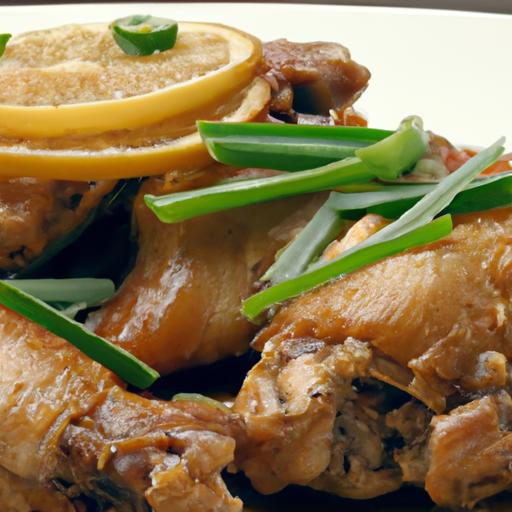


In teh heart of every Filipino kitchen simmers a dish that has transcended centuries, weaving together history, culture, and the comforting embrace of home-chicken adobo. More than just a recipe, Filipino chicken Adobo is a savory journey of flavor and tradition, where tangy vinegar meets the warmth of garlic and the subtle depth of soy sauce, creating a symphony that dances on the palate. This iconic dish tells a story of resilience and adaptation,reflecting the archipelago’s rich heritage while uniting families around the dinner table. Join us as we explore the essence of Chicken Adobo, uncovering the secrets behind its timeless appeal and savoring the cultural tapestry that makes it a beloved Filipino treasure.
Filipino Chicken Adobo captures the heart of Filipino cuisine with its harmonious blend of sour, salty, and garlicky flavors, making it a beloved staple felt in every home and festivity. This iconic dish’s origins trace back to indigenous preservation methods combined with Spanish colonial influence, crafting a unique culinary treasure. From bustling Manila kitchens to tranquil provincial towns, Chicken adobo is much more than food; it is indeed a storytelling vessel of resilience and tradition.
Prep and Cook Time
- Readiness: 15 minutes
- Marinating: Minimum 1 hour (overnight preferred)
- Cooking: 40 minutes
Yield
Serves 4 generous portions
Difficulty Level
Easy – Perfect for both beginner cooks and seasoned food lovers
Ingredients
- 2 lbs bone-in, skin-on chicken thighs (for juiciness and flavor)
- 3/4 cup soy sauce (use Filipino-style “toyo” if available)
- 1/2 cup cane vinegar (unfiltered, for authentic tang)
- 1 whole head garlic, peeled and crushed
- 1 medium onion, sliced
- 1 cup water
- 2 bay leaves
- 1 tsp whole black peppercorns
- 2 tbsp cooking oil (coconut or vegetable oil preferred)
- 1 tbsp brown sugar (optional, to balance acidity)
- Salt to taste
Instructions
- Marinate the chicken: In a large bowl, combine soy sauce, vinegar, crushed garlic, peppercorns, and bay leaves. Add the chicken thighs, ensuring they are fully submerged. Cover and refrigerate for at least one hour, ideally overnight for deeper flavor infusion.
- Prepare to sauté: Heat the cooking oil in a wide skillet over medium heat. Remove chicken from marinade (reserve marinade) and pat dry to encourage even browning.
- Brown the chicken: Sear chicken thighs skin-side down until golden brown, about 5 minutes. Flip and brown the other side, then transfer chicken to a plate.
- Sauté aromatics: In the same pan, add sliced onions and remaining crushed garlic. Cook until fragrant and translucent,about 3 minutes,stirring often to release natural sweetness.
- Simmer with marinade: Return the chicken to the pan. Pour in the reserved marinade and 1 cup water. Bring to a gentle boil, then reduce heat to low.
- Cook uncovered, balancing flavors: Let it simmer for 30 minutes uncovered, allowing sauce to reduce and intensify. Stir occasionally to prevent burning. Adjust seasoning by adding brown sugar for mild sweetness or additional salt if needed.
- Finish and rest: Once sauce thickens to a glossy glaze,remove from heat. Let chicken rest for 5 minutes to allow the flavors to meld beautifully.
Chef’s Notes: Tips for Success
- For tender, juicy chicken, choose bone-in, skin-on cuts, and avoid overcooking during simmering.
- If you prefer a less tangy adobo, reduce vinegar slightly but never omit-that sharp acidity is the soul of the dish.
- Feel free to experiment by adding hard-boiled eggs or fried tofu after simmering for added texture.
- Marinating overnight unlocks the richest flavors, but if pressed for time, one hour still yields delicious results.
- Use cane vinegar over white vinegar for authenticity and nuanced depth.
- For a smokier version, sear chicken over higher heat or finish with a quick broil to crisp the skin.
Serving Suggestions
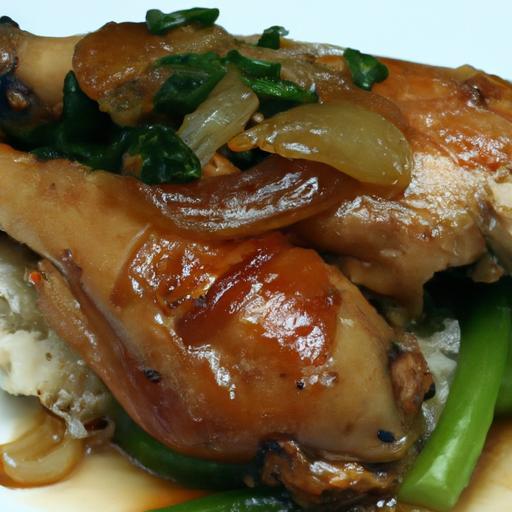
This dish naturally calls for steaming jasmine or Filipino jasmine rice, which perfectly soaks up the luscious adobo sauce. Present it in a rustic ceramic bowl, garnished with chopped fresh scallions and toasted garlic chips for a delightfully crunchy contrast. For a pop of color and freshness, accompany with wedges of ripe tomatoes or pickled vegetables like atchara.
For a modern twist, serve alongside sautéed green beans or roasted eggplant and drizzle a touch of extra marinade reduction on top to elevate complexity.

| Nutrient | Per Serving |
|---|---|
| Calories | 350 kcal |
| Protein | 28 g |
| Carbohydrates | 6 g |
| Fat | 22 g |
For those craving a deeper dive into Filipino culinary heritage, consult National Geographic’s exploration of Filipino cuisine-a treasure trove of cultural insight and vibrant flavors that enrich yoru cooking journey.
Q&A
Q&A: Filipino Chicken Adobo – A Savory Journey of Flavor and Tradition
Q1: What makes Filipino Chicken Adobo so special compared to other chicken dishes?
A1: Filipino Chicken Adobo is more than just a dish-it’s a flavorful tapestry woven from marinated chicken simmered in a tangy blend of vinegar, soy sauce, garlic, and black peppercorns. Unlike many chicken recipes, adobo perfectly balances salty, sour, and savory notes, creating a unique umami-rich experience that’s deeply rooted in Filipino culture and history.
Q2: Where did Chicken Adobo originate, and how did it become a national dish?
A2: The origins of Chicken Adobo trace back to the indigenous cooking methods of the Philippines, long before the arrival of Spanish colonizers. The term “adobo” actually comes from the Spanish word for “marinade,” but the Filipino version evolved using local ingredients like coconut vinegar and native spices. Its preservation qualities made it perfect for tropical climates, and over centuries, adobo grew into a beloved emblem of Filipino identity, celebrated in homes and festivals alike.
Q3: What are the essential ingredients of a customary Chicken Adobo?
A3: At its core, traditional chicken adobo calls for chicken pieces, vinegar (frequently enough cane or coconut), soy sauce, garlic, black peppercorns, and bay leaves. These simple ingredients simmer together to infuse the meat with layers of flavor, resulting in tender chicken bathed in a richly aromatic sauce that’s both comforting and complex.
Q4: Are there regional variations of Chicken Adobo in the Philippines?
A4: Absolutely! The beauty of adobo lies in its versatility. In some regions, coconut milk is added for creaminess, while others incorporate potatoes or hard-boiled eggs. Some versions lean towards a sweeter profile with brown sugar or pineapple, and in the Visayas, vinegar can be swapped with citrus like calamansi. Each province and family recipe adds a personal touch, making every adobo a unique story on a plate.
Q5: how is Chicken Adobo traditionally served and enjoyed?
A5: Chicken Adobo is typically served steaming hot over a bed of fluffy white rice, which perfectly absorbs the rich, savory sauce. it’s a hearty comfort food eaten any time of the day-be it a quick lunch or a festive dinner. Many Filipinos believe adobo tastes even better the next day, after the flavors have fully melded, turning leftovers into a culinary treasure.
Q6: Can Chicken Adobo be adapted for modern or international palates?
A6: Definitely! While purists cherish the classic recipe, adventurous cooks have experimented with grilled adobo, slow-cooker versions, or even adobo tacos and sandwiches. Adjusting vinegar levels, adding chili for heat, or using different proteins like pork or tofu keeps this traditional favourite fresh and exciting while honoring its roots.
Q7: Why is Chicken Adobo considered a cultural symbol in the Philippines?
A7: Chicken Adobo embodies the Filipino spirit-resilient, resourceful, and infused with rich heritage.It’s a dish born from necessity and refined through generations, representing family, home-cooked warmth, and national pride. Eating adobo is like savoring a piece of Philippine history, a culinary embrace that connects millions to their past and to one another.
Q8: What tips should beginners keep in mind when making Chicken Adobo at home?
A8: Start with balancing the vinegar and soy sauce-to much vinegar can overpower, while too little may dull the brightness. use fresh garlic and don’t rush the simmering process; slow cooking helps tenderize the chicken and deepen the flavors. Lastly, don’t be afraid to adjust spices to your taste-adobo is as personal as it is indeed traditional.
through this savory journey, Filipino Chicken Adobo invites you to taste a timeless blend of history, culture, and culinary artistry-all in one humble pot. Whether you’re a seasoned foodie or a curious novice, adobo promises a delicious story worth savoring.
Insights and Conclusions
As the rich aroma of garlic, vinegar, and soy sauce lingers in the air, Filipino Chicken Adobo stands as more than just a dish-it is a flavorful narrative steeped in history and heart. This savory journey invites us to savor not only its tender, marinated chicken but also the enduring spirit of a culture that cherishes simplicity, resilience, and communal warmth.Whether enjoyed at a bustling family table or recreated in your own kitchen, Chicken Adobo reminds us that food is a timeless bridge connecting generations, stories, and traditions.So next time you take a bite, remember: you’re tasting a legacy, lovingly passed down through the ages, one delicious spoonful at a time.