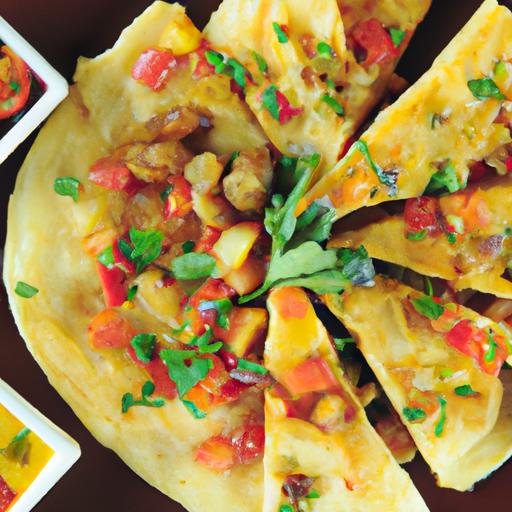

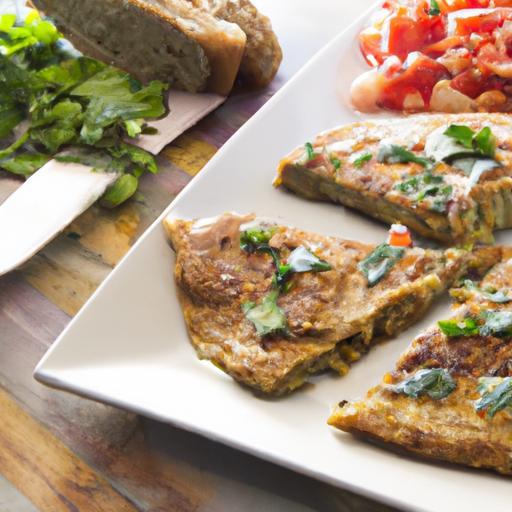
Golden, crisp at the edges, tender in the middle, and brimming with centuries of tradition-farinata is more than just a flatbread; it’s a culinary journey wrapped in chickpea flour. Often overlooked beyond its Mediterranean origins, this humble dish has quietly woven itself into the fabric of countless tables, delighting palates with its nutty, savory charm. In “Farinata Unveiled: The Golden Chickpea Flatbread Delight,” we embark on an exploration of farinata’s rich history, its artisanal craft, and the reasons this sun-kissed specialty continues to captivate food lovers around the world. Prepare to uncover the secrets behind this golden masterpiece and discover why farinata deserves a shining spot on your culinary map.
Farinata Unveiled: The Golden Chickpea Flatbread Delight
Farinata, the golden chickpea flatbread delight, is a culinary treasure steeped in centuries of Mediterranean tradition. Originating from the Ligurian coast of Italy and flourishing in neighboring regions like Nice, France, this humble yet flavorful dish reflects a rich cultural heritage. My first encounter with farinata was during a sun-drenched afternoon stroll through Porto Antico in Genoa, where the warm, crisp-edged slice instantly captivated my senses. Its rustic simplicity-a blend of chickpea flour, water, olive oil, and a pinch of salt-belies the complexity of its texture and aroma. Preparing farinata is not only about technique but also about honoring a tradition that celebrates purity and local ingredients.
Prep and Cook Time
- Planning: 15 minutes (plus 4-6 hours resting time for optimal batter texture)
- Cooking: 15-20 minutes
Yield
Serves 4-6 slices
Difficulty Level
Medium – Requires patience and attention to batter consistency
Ingredients
- 1 cup chickpea flour (sifted for a smooth batter)
- 3 cups water (room temperature)
- 3 tablespoons extra virgin olive oil (plus more for the pan)
- 1 teaspoon sea salt
- Freshly ground black pepper, to taste
- Optional: rosemary sprigs, caramelized onions, thinly sliced cherry tomatoes, or crushed red pepper flakes
Instructions
- Prepare the batter: In a mixing bowl, whisk together chickpea flour and water until entirely smooth and free of lumps.Add the sea salt and stir again. Cover and let the batter rest at room temperature for 4-6 hours (or overnight) to allow the flour to fully hydrate, ensuring a silky texture.
- Preheat your oven: Heat to 450°F (230°C), placing a heavy, well-seasoned cast-iron skillet or metal pizza pan inside to become piping hot-this step is essential for crispiness.
- Oil the pan generously: Remove the hot pan carefully and coat it with a tablespoon of extra virgin olive oil, swirling so it covers the entire base and edges.
- Incorporate olive oil: stir the remaining 2 tablespoons of olive oil into the batter just before pouring it into the pan-this infuses richness and helps develop that golden crust.
- Pour the batter: into the hot oiled pan, pour the chickpea mixture evenly. The batter should be thin and fluid, about 1/4 to 1/2 inch thick.
- Cook to perfection: Bake for 15-20 minutes,rotating midway if your oven heats unevenly. Watch for bubbling edges and a deep golden top-this indicates the perfect balance of texture: crisp around the perimeter and tender in the center.
- Finish with toppings: during the last 3 minutes of baking, add your choice of traditional rosemary or innovative toppings like caramelized onions or cherry tomatoes, allowing them to meld with the heat.
- Serve immediately: Slide the farinata onto a cutting board, slice into wedges, and serve hot for the ultimate taste experience.
Tips for Achieving Crispy Edges and a Tender Center every Time
- Rest your batter: Hydrating the chickpea flour extensively is crucial. The longer you rest (ideally overnight), the better the texture.
- Use a heavy pan: Cast iron or metal pizza pans retain heat superbly, delivering the signature crispy edges.
- Oil generously: Olive oil not only prevents sticking but also caramelizes the edges beautifully.
- High heat is key: Baking at 450°F ensures the surface crisps quickly without drying out the center.
- Don’t overload with toppings: Keep additional toppings light to preserve the integrity of the batter’s delicate texture.
Enhancing Flavor with Traditional and Contemporary Toppings
Far from being a one-note dish, this golden chickpea flatbread serves as an inviting canvas. Traditional toppings like fresh rosemary or cracked black pepper highlight the origins of the dish, imparting aromatic complexity.For a modern twist, consider caramelized shallots, thinly sliced cherry tomatoes sprinkled with sea salt, or a drizzle of aged balsamic vinegar just before serving. Even a garnish of fresh herbs-like thyme or parsley-adds vibrant color and a burst of freshness.
Chef’s Notes
- Substitutions: Use chickpea flour labeled ”besan” or “garbanzo bean flour” for authentic taste.
- Make ahead: Batter can be prepared a day in advance and refrigerated; simply stir before baking.
- Troubleshooting: If your farinata turns out gummy, it likely needs longer resting or a hotter oven.
- Serving warm: Farinata is best enjoyed fresh but can be reheated in a skillet to revive crispiness.
Serving Suggestions
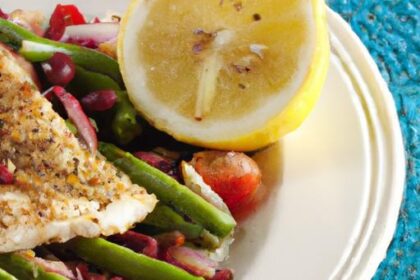
Serve slices of farinata alongside a crisp green salad dressed lightly with lemon vinaigrette for a perfect lunch or appetizer. Add a basket of mixed olives or tangy marinated artichokes on the side to complement the earthy flavors. A glass of chilled Vermentino or a crisp Rosé will heighten the sensory experience, reflecting the coastal roots of the dish.

| Nutrient | Per serving |
|---|---|
| Calories | 180 kcal |
| Protein | 6 g |
| carbohydrates | 22 g |
| Fat | 7 g |
To deepen your exploration of Mediterranean flavors, check out our Classic Pesto Genovese Recipe, which pairs beautifully with farinata. For further reading on the nutritional benefits of chickpeas and their culinary versatility, visit Harvard School of Public Health.
Q&A
Q&A: Farinata Unveiled – The Golden Chickpea Flatbread delight
Q1: What exactly is farinata?
A1: Farinata is a golden, crispy-on-the-outside, tender-on-the-inside flatbread made primarily from chickpea flour, water, olive oil, and a pinch of salt. Originating from the Ligurian coast of Italy,this humble yet mouthwatering dish has been delighting palates for centuries as a simple street food and a beloved regional specialty.
Q2: How did farinata come to be?
A2: Legend has it that farinata’s roots trace back to ancient times, when sailors and peasants needed a nutritious, easy-to-make meal from pantry staples. Chickpea flour, abundant and protein-rich, was mixed with water and baked over open flames or in wood-fired ovens, creating a golden flatbread that was both satisfying and durable on long journeys.
Q3: What makes farinata different from other flatbreads?
A3: Unlike wheat-based flatbreads,farinata boasts a nutty,earthy flavor imparted by chickpeas,complemented by a luscious olive oil richness. Its texture strikes a perfect balance – crisp edges with a tender, slightly creamy interior. Also,farinata is naturally gluten-free,high in protein,and offers a rustic charm that wheat breads can’t replicate.
Q4: How is traditional farinata prepared?
A4: The classic recipe is beautifully minimalistic: chickpea flour is whisked into water with olive oil and sea salt to form a thin batter. After resting to hydrate,the batter is poured into a well-oiled copper or cast-iron pan,then baked in a fiercely hot oven - frequently enough wood-fired – until it transforms into a shimmering golden disc,dotted with browned bubbles.
Q5: Can you eat farinata as is, or do people add toppings?
A5: While the simplicity of plain farinata is divine, it also serves as a blank canvas for toppings and flavors. Traditional variations may include rosemary sprigs, freshly cracked black pepper, or a sprinkle of sea salt. Modern twists invite caramelized onions, cherry tomatoes, herbs, or even tangy cheeses, turning this flatbread into a versatile dish suitable for any meal.
Q6: Where can I try authentic farinata?
A6: To taste genuine farinata, your best bets are coastal Liguria in Italy – particularly in Genoa or the charming towns of the Italian Riviera. You might find it sold by street vendors or family-run trattorias. However, this golden delight is gaining popularity worldwide, appearing in artisan bakeries and vegan eateries from New York to Sydney.
Q7: Is farinata healthy?
A7: Absolutely! Farinata is a nutrient-packed delight - chickpeas confer plant-based protein and fiber, olive oil adds heart-healthy fats, and the dish is naturally free from gluten and dairy. It’s a wholesome option to heavier bread and a delicious way to incorporate legumes into your diet.
Q8: How can I make farinata at home?
A8: making farinata is surprisingly simple. Start with chickpea flour, water, a generous drizzle of good-quality olive oil, and salt. Whisk into a thin batter and let it rest. Bake in a preheated oven at its highest temperature in an oiled pan until golden and crisp. Don’t be afraid to experiment with toppings or spices to make it your own golden masterpiece!
Q9: What occasions or meals suit farinata best?
A9: Farinata shines as a snack, appetizer, or light meal. Its portability made it a historical staple for workers and travelers,though today it graces modern tables alongside fresh salads,antipasti,or wines. Whether you’re hosting a casual gathering or craving a comforting bite, farinata’s rustic elegance always fits.
Q10: Why is farinata experiencing a renaissance in culinary circles?
A10: In an age of rediscovering ancient grains, plant-based proteins, and authentic flavors, farinata ticks all the boxes. It’s enduring, nourishing, gluten-free, and gloriously simple – qualities that resonate with modern food lovers seeking depth beneath straightforward ingredients. Farinata’s golden glow is more than just color; it symbolizes timeless flavor reborn.
Enjoy the golden crunch and earthy warmth of farinata – a chickpea flatbread that’s not just food, but a story baked into every bite!
In Retrospect
As the warm, golden hues of Farinata gently disappear from your plate, they leave behind more than just an empty space-they leave a story steeped in tradition, simplicity, and wholesome goodness. This humble chickpea flatbread, with its crisp edges and tender heart, is much more than a regional specialty; it’s a timeless invitation to savor the beauty of ancient grains and age-old techniques. Whether enjoyed as a rustic snack or a centerpiece of a Mediterranean feast, Farinata continues to weave together cultures, flavors, and lives-one golden slice at a time. So next time you seek a culinary adventure that’s both authentic and nourishing, remember that the magic of Farinata awaits, ready to delight your palate and enrich your food story.