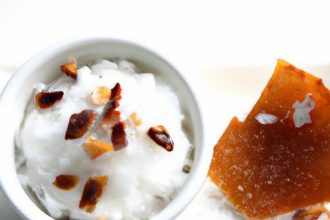

nestled within the vibrant culinary tapestry of Puerto Rico lies a dessert as rich in history as it is in flavor-Tembleque. This creamy coconut delight, a silky pudding that has graced festive tables and family gatherings for generations, offers more than just a sweet ending to a meal; it tells a story of island tradition, culture, and the lush bounty of the Caribbean. In this article, we peel back the layers of tembleque, unveiling its origins, the secrets behind its luscious texture, and the timeless ways it continues to captivate taste buds. Join us on a journey through Puerto Rico’s kitchen as we explore the beloved dessert that wobbles with history and melts with every spoonful.
Tembleque is a beloved Puerto Rican dessert, cherished for its luscious coconut flavor and silky, wobbly texture that literally inspires its name-derived from the Spanish verb “temblar,” meaning “to shake.” This creamy coconut delight carries centuries of tradition, rooted in Puerto Rico’s indigenous taíno and Spanish culinary heritage, creating a harmonious blend of tropical sweetness and cultural richness. Each spoonful tells a story of island life, family gatherings, and festive celebrations, making it a timeless staple in Puerto Rican kitchens.
prep and Cook Time
Planning: 10 minutes | Cooking: 20 minutes | Chilling: 3 hours
Yield
Serves 6
Difficulty Level
easy
essential Ingredients for Authentic Tembleque
- 2 cups coconut milk (preferably fresh or canned, full-fat)
- 1/2 cup granulated sugar
- 1/2 cup cornstarch (for that signature creamy thickening)
- 1/4 tsp salt
- 1/2 tsp ground cinnamon (plus extra for garnish)
- 1 tsp vanilla extract (adds a subtle depth to the coconut)
Instructions: Crafting the Perfect Tembleque Texture and Flavor
- Mix dry ingredients: In a medium saucepan, whisk together the cornstarch, granulated sugar, salt, and ground cinnamon. This ensures no lumps and an even distribution of flavors.
- Incorporate coconut milk: Slowly pour in the coconut milk while constantly whisking to create a smooth mixture without clumps. Using a whisk is key to maintaining a silk-like consistency.
- Cook gently: Place the saucepan over medium heat and cook the mixture, stirring continuously. Watch closely - the dessert will begin to thicken after about 8 to 10 minutes. The moment it forms a thick, pudding-like texture, remove from heat. Tip: Constant stirring prevents sticking and ensures an even cook.
- Add vanilla for aroma: Stir in the vanilla extract immediately after removing from heat, infusing the tembleque with warmth and balance.
- Set into molds: Pour the hot mixture into individual ramekins or a 8-inch square dish, smoothing the tops with a spatula.
- chill extensively: Refrigerate for at least 3 hours until fully set and delightfully “shaky” to the touch. This chilling phase is crucial to achieving that signature texture.
tips for Success and Variations
- For a richer flavor, substitute half of the coconut milk with fresh coconut cream or add a teaspoon of unsweetened shredded coconut for texture contrast.
- If yoru mixture isn’t thickening, gently increase heat but avoid boiling vigorously, which can cause separation.
- Use a silicone mold for easy unmolding, and dip ramekins briefly in warm water before inverting to present the tembleque perfectly.
- Make ahead: Prepare the tembleque a day in advance; flavors deepen, and the texture improves.
Serving Suggestions and Creative Twists to Tembleque Delight
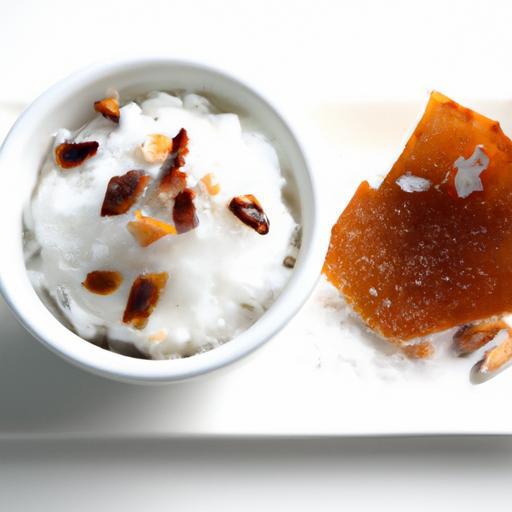
To truly elevate this creamy coconut delight, serve chilled with a light dusting of extra ground cinnamon or a sprinkle of toasted coconut flakes for texture and visual appeal. Brighten it with a few fresh raspberries or a drizzle of passion fruit coulis to introduce a vibrant tropical contrast. For a festive touch, garnish with edible flowers or thin lime zest curls, enhancing both aroma and presentation.
For those seeking a modern spin, layer tembleque with crushed gingersnap cookies for a crunchy base or swirl in a bit of dark rum before chilling to add a subtle warmth and depth.
Tembleque also pairs beautifully with Puerto Rican coffee or a refreshing glass of mango agua fresca, making it a versatile treat suitable for any occasion-from casual family dinners to elegant gatherings.
| Nutritional Info (per serving) | Amount |
|---|---|
| Calories | 210 kcal |
| Protein | 2g |
| Carbohydrates | 30g |
| Fat | 9g |
To enrich your understanding and celebrate other Puerto Rican desserts, explore our Complete Guide to Puerto Rican Sweets. For additional cultural insights on tembleque and its historic coconut origins, see National Park Service: Puerto Rican Cuisine.

Q&A
Q&A: Tembleque Unveiled - Puerto Rico’s Creamy Coconut Delight
Q1: What exactly is Tembleque?
A1: tembleque is a luscious Puerto Rican dessert that translates to “jiggly” or “wobbly” – a nod to its silky, pudding-like texture. Made primarily from coconut milk, sugar, and cornstarch, it’s a humble yet irresistible treat that captures the tropical essence of the island in every spoonful.
Q2: How did Tembleque become a beloved Puerto Rican tradition?
A2: Tembleque’s roots trace back to the Spanish colonial era, where coconut-based puddings were a festive staple. Over time, puerto Rican cooks infused their own flair, blending indigenous ingredients and Afro-Caribbean influences. Today, it’s a holiday favorite and a symbol of cultural pride, often gracing tables during Christmas and family gatherings.
Q3: What gives Tembleque its distinctive creamy texture?
A3: The secret lies in the balance between creamy coconut milk and the thickening power of cornstarch. Once simmered together with sugar and a pinch of salt, the mixture sets into a soft, velvet-like pudding that trembles delightfully when nudged – a true sensory experience!
Q4: Are there any unique toppings or garnishes for Tembleque?
A4: Absolutely! Traditionally, Tembleque is crowned with a sprinkle of cinnamon powder, adding warm spice notes. Some modern variations include toasted coconut flakes, fresh fruit, or even a drizzle of passionfruit syrup to elevate its tropical charm and introduce vibrant contrasts.
Q5: How does Tembleque reflect Puerto Rican culture beyond its taste?
A5: Tembleque is more than dessert; it’s a story of heritage and community. Its preparation frequently enough brings families together in the kitchen, passing down recipes and memories through generations. Each wobbly square echoes the island’s rich history, blending indigenous roots with African and Spanish influences, reminding us of Puerto Rico’s diverse cultural tapestry.
Q6: Can Tembleque be adapted for different dietary needs?
A6: Yes! As it’s naturally dairy-free, Tembleque suits vegan and lactose-intolerant diets effortlessly. For those seeking a healthier twist, coconut sugar or natural sweeteners can substitute refined sugar, while the richness remains intact. This flexibility helps tembleque maintain its popularity in modern kitchens around the world.
Q7: What’s the best way to enjoy tembleque?
A7: Serve Tembleque chilled, allowing it time to set perfectly in the fridge. Cut it into neat squares or spoon it into elegant glasses for a festive touch. Whether savored as a simple snack or as a star dessert after a hearty meal, its creamy texture and tropical flavor provide a sweet little escape to Puerto rico’s shores.
Dive into the world of Tembleque, and discover how a simple coconut pudding can tell the story of an island’s heart – creamy, vibrant, and utterly unforgettable.
The Way Forward
As the final spoonful of tembleque melts on your tongue, you’re not just tasting a dessert-you’re savoring a slice of Puerto Rico’s rich cultural tapestry. This creamy coconut delight, with its silky texture and fragrant aroma, invites both locals and travelers alike to experience a tradition that’s as warm and inviting as the island itself. whether enjoyed during festive celebrations or quiet moments at home, tembleque remains a beloved symbol of Puerto Rican heritage, reminding us that sometimes, the simplest ingredients can weave the most unforgettable stories on our palate. So next time you seek a sweet escape, let tembleque be your passport to the flavors of Puerto Rico.