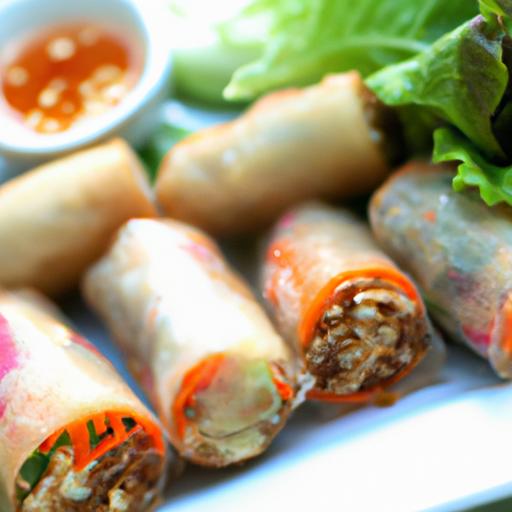

Beneath the crispy golden exterior of Vietnamese fried spring rolls lies a story rich in tradition,flavor,and history. Known as chả giò in the south and nem rán in the north, these crunchy delights are more than just appetizers-they are a beloved culinary emblem woven into the fabric of Vietnamese culture.With each bite, your taste buds embark on a journey through layers of savory fillings, fragrant herbs, and perfectly fried wrapper, delivering a satisfying crunch that’s both nostalgic and irresistible.In this article, we’ll explore the origins, readiness, and enduring appeal of these iconic rolls, uncovering why they remain a cherished staple on tables across Vietnam and beyond.
Crunchy Vietnamese Fried Spring Rolls are a quintessential delight that offers a perfect harmony of textures and authentic flavors. Originating from Vietnam’s vibrant street food culture, these golden, crispy parcels encapsulate a medley of savory ingredients wrapped delicately in rice paper, then fried to irresistible crunchiness.My first encounter with these rolls was at a bustling market in Ho Chi Minh City, where each bite revealed layers of freshness, umami, and a subtle hint of sweetness that instantly captivated me. Today, I’m excited to guide you through every step to recreate this beloved tradition in your own kitchen-bringing that authentic crunch and flavor straight to your plate.
Prep and Cook Time
- Preparation: 30 minutes
- Cooking: 15 minutes
- Total Time: 45 minutes
Yield
About 20 spring rolls (serving 4-6 people)
Difficulty Level
Medium
Essential Ingredients That Bring Authentic Flavor to Life
- 20 rice paper sheets (Bánh tráng)
- 300g ground pork (or substitute with chicken or shrimp)
- 1 cup dried vermicelli noodles, soaked and drained
- 1 cup shredded jicama (or water chestnuts for crunch)
- 1/2 cup finely chopped shiitake mushrooms, soaked and chopped
- 1 medium carrot, grated
- 3 cloves garlic, minced
- 2 shallots, minced
- 2 tbsp fish sauce
- 1 tsp sugar
- 1/2 tsp freshly ground black pepper
- 2 tbsp vegetable oil (plus more for deep frying)
- Fresh herbs: mint, cilantro, and Thai basil for serving
Mastering the Frying Technique for Ultimate Crunchiness
- Prepare the filling: In a large skillet, heat 2 tablespoons of vegetable oil over medium heat. Add minced garlic and shallots, sauté until fragrant and golden, about 2 minutes.
- Add the ground pork, stirring and breaking it apart. Cook until no longer pink, around 5 minutes.
- Mix in chopped mushrooms, shredded jicama, grated carrot, soaked vermicelli noodles, fish sauce, sugar, and pepper. Stir well until ingredients are evenly combined and fragrant.
- Remove from heat and allow to cool entirely-this ensures easier handling while wrapping.
- Assemble the rolls: Place one rice paper sheet on a damp cloth or cutting board. In the lower third of the sheet, spread about 2 tablespoons of filling in a horizontal line, leaving 1 inch on each side.
- Fold the sides inward tightly over the filling, then roll from the bottom up, pressing gently but firmly to form a tight cylinder. Avoid overfilling to prevent tearing.
- Repeat this process with remaining sheets and filling.
- Heat oil for frying: Use a deep pot or wok with at least 2 inches of vegetable oil. Heat to 350°F (175°C) for ideal crispiness.
- Carefully lower spring rolls, a few at a time, into hot oil. Fry until golden brown and exceptionally crunchy, approximately 3-4 minutes, turning occasionally to ensure an even colour.
- Use a slotted spoon to transfer rolls to a wire rack or paper towels to drain excess oil.
Serving Suggestions and Creative dipping Sauces to Elevate Your Roll Experience
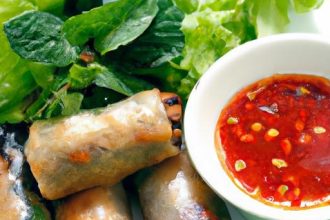
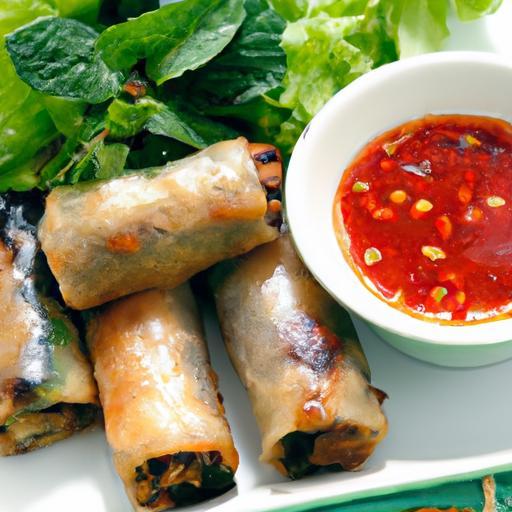
Serve your crunchy Vietnamese fried spring rolls piping hot, garnished with fresh mint, cilantro, and Thai basil leaves to contrast the rich fried exterior. Accompany with a basket of crisp lettuce leaves-ideal for wrapping the rolls for a refreshing bite.
Elevate the dipping experience with classic Vietnamese nước chấm: a harmonious blend of lime juice, fish sauce, garlic, sugar, and thinly sliced chili-balanced just right to cut through the richness of the rolls.
For a creative twist, try these dipping sauce variations:
- Peanut Sauce: Creamy peanut butter, hoisin sauce, garlic, and a touch of chili, smoothed with coconut milk.
- Sweet and Sour Tamarind Sauce: Tamarind paste, palm sugar, vinegar, and chili flakes.
- Soy-Ginger Dip: Light soy sauce mixed with minced ginger, scallions, and a drizzle of toasted sesame oil.
Chef’s Notes: Tips for Success
- Rice paper quality: Choose thicker rice paper for more durability during wrapping and frying.
- Wrapping finesse: Use damp hands or a wet cloth to soften rice paper slightly without making it too soggy, avoiding tears.
- Oil temperature: Use a thermometer to maintain consistent 350°F heat; too low and rolls absorb oil, too high burns the exterior before cooking through.
- Make ahead: Rolls can be assembled and refrigerated up to 3 hours before frying. Pat dry gently before frying to prevent oil splatter.
- Vegetarian version: Substitute ground meats with crumbled tofu or finely chopped mixed vegetables for an equally delicious alternative.
Nutritional Information (Per Spring Roll)
| Calories | Protein | Carbs | Fat |
|---|---|---|---|
| 120 kcal | 7g | 10g | 5g |
for more delightful Vietnamese recipes,don’t miss our fresh Vietnamese Summer rolls that offer a lighter alternative to these fried classics.
discover additional culinary insights on Vietnamese cooking from VietnameseFood.com-a trusted source for ingredient origins and flavor profiles.

Q&A
Q&A: crunchy Vietnamese Fried Spring Rolls: A Delicious Tradition
Q1: What exactly are Vietnamese fried spring rolls?
A1: Vietnamese fried spring rolls, or Chả Giò (southern Vietnam) / Nem Rán (northern Vietnam), are golden, crispy rolls stuffed with a delightful mixture of ground meat, vegetables, mushrooms, and glass noodles. They’re deep-fried to perfection-crispy on the outside, tender and flavorful inside-making them one of Vietnam’s most beloved appetizers.
Q2: How do these spring rolls differ from other spring rolls or egg rolls?
A2: Unlike Chinese egg rolls, which often have thicker wrappers and a heavier filling, Vietnamese fried spring rolls use thin rice paper wrappers. When fried, the paper crisps into a delicate, crackling shell. The filling typically combines savory pork or shrimp with fresh herbs, mushrooms, and clear cellophane noodles, offering a subtle yet complex flavor profile that’s lighter and more aromatic.
Q3: What is the cultural meaning of these spring rolls in Vietnam?
A3: More than just a snack, fried spring rolls hold a treasured place in Vietnamese family gatherings and festive occasions like Tet (Lunar New Year). They symbolize warmth and hospitality, often made in groups with family members sharing stories and laughter as they roll and fry together.The tradition celebrates togetherness and culinary craftsmanship handed down through generations.
Q4: What ingredients are essential to making authentic Vietnamese fried spring rolls?
A4: Core ingredients include ground pork (or sometimes shrimp), diced carrots, wood ear mushrooms, glass noodles (mung bean vermicelli), minced shallots, garlic, and a hint of black pepper. The rice paper wrappers are crucial for that signature crunch. Fresh herbs such as mint or cilantro often accompany the rolls when served,paired with the all-vital nước chấm dipping sauce.
Q5: Can you explain the dipping sauce that typically accompanies these spring rolls?
A5: The quintessential Vietnamese dipping sauce, nước chấm, is a harmonious blend of fish sauce, lime juice, sugar, garlic, chili, and sometimes shredded carrot. It strikes a perfect balance of salty, sweet, sour, and spicy, enhancing the fried rolls’ flavors while adding refreshing zing. This sauce is what truly lifts the humble spring roll to unforgettable heights.
Q6: How does one achieve the perfect crunch when frying spring rolls?
A6: Achieving ultimate crunch requires a few tricks: use hot oil at the right temperature (around 350°F / 175°C) to instantly crisp the wrapper without soaking up excess oil. Don’t overcrowd the pan, and fry in small batches for even cooking. A brief drain on paper towels ensures no greasiness dulls that satisfying snap when you bite in.
Q7: Are ther vegetarian or modern variations of these spring rolls?
A7: Absolutely! Many cooks adapt the recipe for vegetarians by substituting meat with tofu, mushrooms, cabbage, or even sweet potatoes. Fusion versions experiment with fillings like cheese or quinoa. However, irrespective of variations, maintaining balance in texture and flavor-and of course, the quintessential crisp exterior-is key to honoring the tradition.
Q8: How can someone enjoy these spring rolls beyond just eating them as-is?
A8: Beyond the classic dipping sauce,fried spring rolls can be sliced and served atop vermicelli noodle bowls (bún),adding texture contrast and flavor complexity. They also make delicious accompaniments to fresh, herb-laden rice paper rolls, or stuffed into baguette sandwiches for a crunchy Vietnamese banh mi twist. Their versatility mirrors the vibrant, adaptable spirit of Vietnamese cuisine.
Q9: What makes Vietnamese fried spring rolls an enduring culinary tradition?
A9: It’s their perfect harmony of textures and flavors, combined with the communal joy of making and sharing them. Each bite carries history, family love, and the genuine taste of Vietnam’s fresh, vibrant ingredients. They’re more than food-they’re an edible story passed down, a crunchy tradition that connects people across time and cultures.
Q10: Where can one try authentic Vietnamese fried spring rolls outside of Vietnam?
A10: Many Vietnamese restaurants worldwide serve their own take on fried spring rolls, often tracing back to family recipes.Look for spots with a reputation for fresh,handmade rolls rather than frozen varieties. Cooking classes and food festivals focusing on Southeast Asian cuisine also offer fantastic opportunities to taste-and learn to make-these irresistible treats firsthand.
To Conclude
As the crispy golden exterior gives way to the fragrant,savory filling within,Vietnamese fried spring rolls offer more than just a delightful bite-they embody a rich tradition steeped in family,celebration,and culinary artistry. Weather enjoyed as a festive appetizer, a street-side snack, or a beloved homemade treat, these crunchy parcels continue to capture the hearts and taste buds of food lovers around the world. So next time you savor their satisfying crunch,remember you’re tasting a delicious legacy that has been passed down through generations,inviting you to experience a true flavor of Vietnam’s vibrant culture.