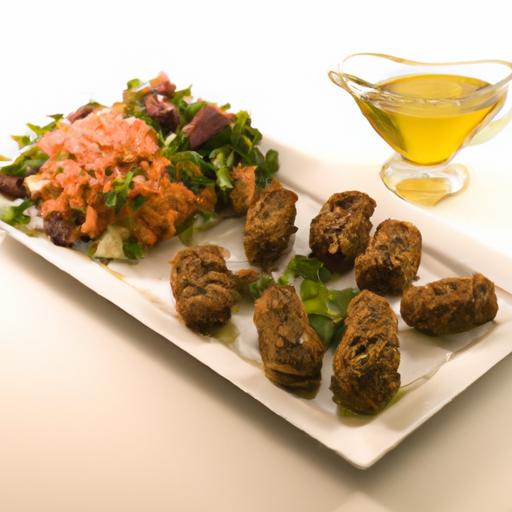

In the bustling markets and sun-drenched kitchens of the Middle East, a culinary treasure has quietly captivated palates for centuries-kibbeh. More than just a dish, kibbeh is a tapestry woven from history, culture, and tradition, embodying the very heart of Middle Eastern cuisine. From it’s delicate blend of spiced bulgur and tender meat to its myriad regional variations, kibbeh tells a story that transcends borders and generations. Join us as we unveil the secrets behind this beloved delicacy, exploring its origins, preparation, and the enduring role it plays at family tables and festive gatherings alike. Welcome to a flavorful journey into the soul of Middle Eastern gastronomy-where every bite of kibbeh is a step closer to understanding a rich and vibrant heritage.
Kibbeh Unveiled begins with a journey into the rich tapestry of Middle Eastern culinary heritage. This beloved dish, often described as the soul of Levantine kitchens, carries centuries of tradition in every bite. Originating from the fertile plains of the Levant-encompassing Lebanon,Syria,Palestine,and Iraq-kibbeh embodies the heart of communal cooking,where simple ingredients unite to create a symphony of flavor and texture. My first taste of kibbeh was a warm family gathering in Beirut, where the aroma of cinnamon, toasted pine nuts, and fragrant bulgur filled the room, igniting a passion for mastering this iconic dish at home.
Prep and Cook Time
- Preparation: 30 minutes
- Cooking: 25 minutes
- Total Time: 55 minutes
Yield
Serves 6 comfortably as a main course or appetizer.
Difficulty Level
Medium – Requires patience for shaping but is achievable with practice.
Ingredients
- 2 cups fine bulgur wheat, soaked in cold water for 30 minutes, drained and squeezed
- 500g (1.1 lbs) lean ground lamb or beef
- 1 medium onion, finely chopped
- 1 teaspoon ground allspice
- 1 teaspoon ground cinnamon
- 1/2 teaspoon ground nutmeg
- 1/2 teaspoon black pepper
- Salt to taste
- 1/2 cup toasted pine nuts
- 2 tablespoons olive oil (plus additional for frying or baking)
- Vegetable oil for deep frying (optional)
- Fresh mint and parsley for garnish
Instructions
- Prepare the Bulgur and Meat Mixture: In a large bowl, combine the drained bulgur and half of the ground meat. Using your hands or a food processor, blend until smooth and paste-like. This helps create the kibbeh shell’s unique texture.
- Make the Filling: Heat olive oil in a skillet over medium heat. Add the chopped onion and sauté until translucent,about 5 minutes. Add the remaining ground meat, toasted pine nuts, allspice, cinnamon, nutmeg, black pepper, and salt. Cook until the meat is browned and aromatic, about 8 minutes.Remove and let cool slightly.
- Shape the Kibbeh Shells: With wet hands, take a golf ball-sized portion of the bulgur mixture and shape it into a ball. Poke a hole through the center with your thumb and gently widen it into a hollow shell, about 2-3 inches diameter. Be careful not to tear the edges.
- fill and Seal: Stuff the hollow shell generously with the filling (about 1 tablespoon), then carefully pinch and mold the edges together to seal the kibbeh. Shape into oval or football shapes.
- Cook the kibbeh: Choose your method:
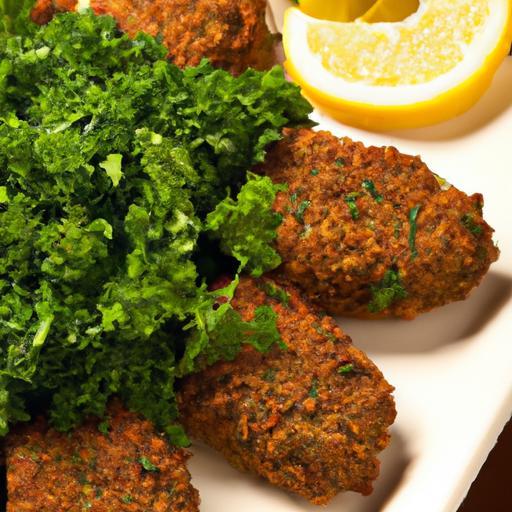
– Fry: Heat vegetable oil in a deep pan to 350°F (175°C). Fry kibbeh in batches until golden brown and crisp, about 4-5 minutes. Drain on paper towels.
– Bake: Preheat oven to 375°F (190°C). Brush kibbeh lightly with olive oil and bake on a parchment-lined tray for 25 minutes or until browned.
– Pan-fry: Lightly fry in a skillet with olive oil over medium heat until golden on all sides. - Serve warm, garnished with fresh mint and parsley, alongside your choice of authentic sides.
Tips for Success
- Perfect Bulgur Texture: Soaking bulgur allows it to soften but avoid over-soaking to prevent a mushy kibbeh shell.
- Hand Techniques: Wetting your hands before shaping prevents sticking and helps form a smooth shell.
- Meat Options: Lamb provides a rich, customary flavor, but lean beef is a great alternative for a milder taste.
- Make-Ahead: Kibbeh can be formed and refrigerated for up to 24 hours before cooking, making it ideal for entertaining.
- Healthier Twist: Baking kibbeh reduces oil usage while preserving its signature flavors and texture.
Serving Suggestions
For a truly authentic experience, plate your kibbeh alongside tangy tahini sauce or cool yogurt cucumber salad (khyar bi laban). Add a side of warm pita bread and fresh Arabic pickles to complement the rich meatiness. Pair your meal with a refreshing glass of arak, the anise-flavored spirit of the region, or a cool mint lemonade to balance the spices.
| Nutrient | Per Serving |
|---|---|
| Calories | 320 kcal |
| Protein | 22g |
| Carbohydrates | 18g |
| Fat | 18g |

The timeless charm of kibbeh lies in its harmonious blend of simple ingredients elevated by meticulous seasoning and shaping.Mastering this dish offers a treasured connection to Middle Eastern culture and an prospect to bring a piece of that heritage into your home kitchen.
Q&A
Q&A: Kibbeh Unveiled – exploring the Heart of Middle Eastern Cuisine
Q1: what exactly is kibbeh?
A: Kibbeh is frequently enough described as the soul of Middle Eastern cuisine-a harmonious blend of bulgur wheat, minced meat (usually lamb or beef), onions, and a fragrant array of spices. It’s a dish that marries texture and flavor,typically shaped into oval or football-like forms,and either baked,fried,or served raw depending on regional preferences.
Q2: Where does kibbeh originate from?
A: Kibbeh’s roots run deep across the Levant-Lebanon, Syria, Palestine, and Iraq all claim it as a beloved staple. Though its precise origin is difficult to pin down, this dish embodies centuries of culinary tradition passed through families and villages, evolving while maintaining its core identity.
Q3: Why is kibbeh considered the “heart” of Middle Eastern cuisine?
A: beyond its tasty taste, kibbeh symbolizes community, tradition, and artistry in cooking. Preparing it is often a social ritual-families gather to handcraft each piece together, celebrating heritage and connection. Its ingredients reflect the land itself,uniting simple staples into a dish that tells a story with every bite.
Q4: What are some popular variations of kibbeh?
A: Kibbeh showcases remarkable versatility-there’s kibbeh nayeh, a raw ground meat delicacy seasoned with spices and olive oil; fried kibbeh, crisped to golden perfection; and kibbeh bil sanieh, a baked layered casserole that comforts like a warm embrace. Regional twists may include pine nuts, pomegranate molasses, or even pumpkin for a vegetarian take.
Q5: How does kibbeh express Middle Eastern food culture in broader terms?
A: Kibbeh encapsulates the Middle Eastern emphasis on bold flavors, fresh ingredients, and communal dining. it illustrates the balance between simplicity and sophistication found in the region’s cooking-where humble grains and meats are elevated to culinary poetry. Sharing kibbeh is sharing a piece of history, hospitality, and heart.
Q6: Can you enjoy kibbeh if you’re a vegetarian or vegan?
A: Absolutely! While traditionally meat-based, many modern cooks have crafted plant-based kibbeh using lentils, mushrooms, or spiced pumpkin, alongside bulgur and nuts. These variations honor the dish’s spirit, proving that its warmth and texture transcend the boundaries of a single ingredient.
Q7: Any tips for first-timers wanting to make kibbeh at home?
A: Patience and practice are your best friends. start with fresh, quality ingredients, and don’t rush the shaping process-it’s an art that improves with time. Don’t be afraid to experiment with spices like allspice, cinnamon, and cumin to find your personal flavor harmony.And remember, the joy is as much in the crafting as in the eating!
Kibbeh isn’t just food-it’s a journey through Middle Eastern history, culture, and flavor, inviting us all to gather around the table and taste a tradition centuries in the making.
Concluding Remarks
As we close the chapter on our journey through kibbeh, we find that this humble yet intricate dish is far more than a recipe-it is a living tapestry of culture, history, and communal spirit.From its perfectly seasoned layers of bulgur and meat to the myriad regional variations that breathe unique life into every bite, kibbeh stands as a savory emblem of Middle Eastern culinary artistry. Whether shared at a family gathering or discovered in a bustling market, each mouthful invites us to savor the stories and traditions woven into its heart. In unveiling kibbeh, we not only celebrate a dish but also connect more deeply with the rich mosaic of flavors and histories that define Middle Eastern cuisine itself.