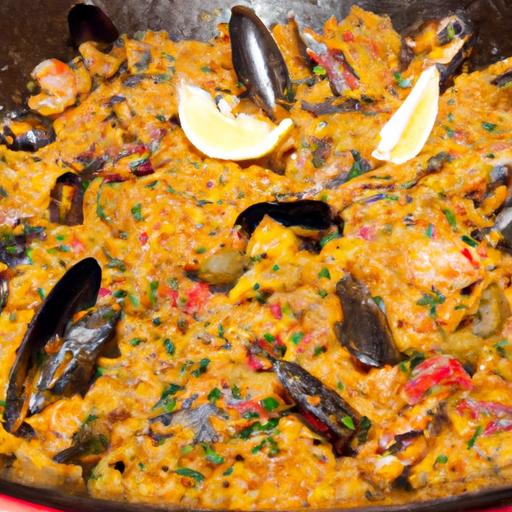
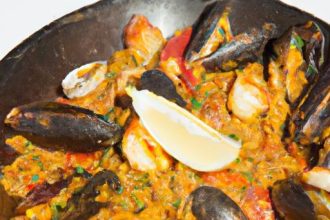

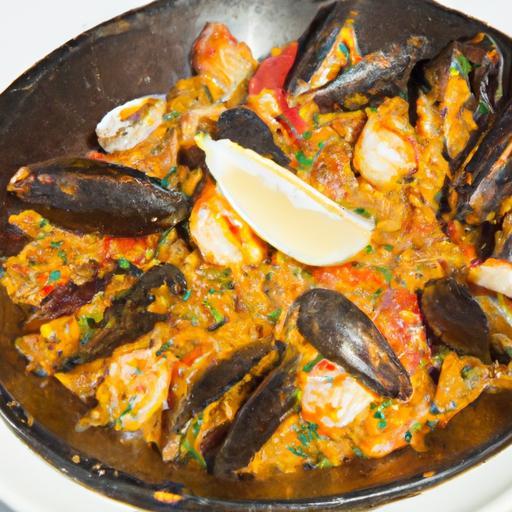
There’s a dish that captures the vibrant spirit of Spain in every golden grain-a culinary masterpiece that is as rich in history as it is indeed in flavor. Paella, with it’s colorful medley of saffron-infused rice, succulent seafood, tender meats, and fresh vegetables, is more than just a meal; it’s a festivity served on a plate. Rooted in the sun-kissed fields of Valencia and embraced across the Iberian Peninsula, paella tells a story of tradition, regional pride, and communal joy. In this article, we journey through the origins, variations, and secrets of Spain’s iconic dish, inviting you to savor every bite of its irresistible allure.
Savoring paellas offers a flavorful journey into one of Spain’s most treasured culinary traditions. This iconic dish, with roots stretching back to the wetlands of valencia, is more than just a meal-it’s a celebration of Spanish culture, community, and the vibrant bounty of the Mediterranean. Whether enjoyed convivially at a family feast or crafted with care in your own kitchen, paella embodies the spirit of Spain’s diverse regions, each bringing unique ingredients and flavors to the table.
Prep and cook Time
- Preparation: 20 minutes
- cooking: 45 minutes
- Total: 65 minutes
Yield
Serves 4-6 people generously
Difficulty Level
Medium – Perfect for home cooks ready to explore authentic Spanish flavors
Ingredients
- 2 cups Bomba or short-grain Spanish rice
- 4 cups chicken broth (preferably homemade or low-sodium)
- 1/2 teaspoon saffron threads, steeped in 2 tablespoons warm water
- 3 tablespoons extra-virgin olive oil
- 1/2 pound boneless chicken thighs, cut into bite-sized pieces
- 1/2 pound fresh rabbit meat (optional) or additional chicken
- 8 large shrimp, peeled and deveined
- 8 small mussels, cleaned
- 1 cup green beans, trimmed and halved
- 1 medium ripe tomato, finely grated
- 1 small onion, diced
- 3 cloves garlic, minced
- 1 teaspoon smoked paprika (pimentón)
- Salt and freshly ground black pepper, to taste
- Fresh parsley and lemon wedges, for garnish
Instructions
- Heat olive oil in a wide, shallow paella pan over medium heat. Add chicken and rabbit pieces, seasoning lightly with salt. Sauté until golden brown, about 8 minutes, turning occasionally for even color.
- Add onion, garlic, and green beans. Cook gently until onions are translucent and green beans start to soften, about 5 minutes.
- Stir in grated tomato and smoked paprika, cooking for 3 minutes until the mixture thickens and deepens in color.
- Add the rice, stirring well to coat each grain with the sofrito base.Pour in the warmed chicken broth infused with saffron, distributing the rice evenly. Adjust salt and pepper to taste.
- Simmer uncovered without stirring for about 15 minutes to encourage a light crust (socarrat) to develop at the bottom.
- Arrange shrimp and mussels on top of the rice, nestling them gently into the mixture.Continue cooking until seafood is opaque and mussels open, approximately 10 more minutes.
- Remove from heat, cover loosely with foil or a clean kitchen towel, and let rest for 5-10 minutes to meld the flavors and allow the rice to finish absorbing liquid.
- garnish with chopped fresh parsley and lemon wedges. Serve directly from the pan for an authentic,rustic presentation.
Tips for Success
- Use Bomba rice or other short-grain varieties to absorb broth perfectly without turning mushy.
- Resist stirring the rice after broth is added; this helps create the prized socarrat, the caramelized crust.
- For a vegetarian twist, swap meats for artichoke hearts, roasted peppers, and seasonal vegetables, and use vegetable broth.
- prep mise en place-chopping and measuring all ingredients before cooking ensures smooth, confident execution.
- Use a proper paella pan to maximize even heat distribution and bring authenticity to your home cooking experience.
Serving Suggestions
Paella shines brightest when shared. Serve with a crisp white Rioja or Albariño wine, bright and refreshing to contrast the rich saffron flavors. Accompany your paella with a simple side of mixed olives, fresh crusty bread, and a light mixed green salad drizzled with sherry vinegar dressing. Garnish your paella with spritzes of fresh lemon juice to kiss every bite with a hint of brightness.

| Nutrient | Per Serving |
|---|---|
| Calories | 460 kcal |
| Protein | 38 g |
| Carbohydrates | 42 g |
| Fat | 14 g |
Embrace the art of paella and transform your kitchen into a lively Spanish fiesta. With every grain infused with saffron and every bite carrying the depth of its regional heritage, savoring paellas will soon become an irresistible tradition you look forward to creating again and again.
For those hungry for more culinary adventures, explore our detailed guide on Spanish tapas recipes-perfect accompaniments to your paella feast!
Q&A
Q&A: Savoring Paellas – Spain’s Iconic Dish Unveiled and Explored
Q1: What makes paella such an iconic symbol of Spanish cuisine?
A1: Paella isn’t just a dish; it’s a vibrant celebration of Spain’s rich culinary heritage. Originating from the sun-drenched fields of Valencia, paella embodies the country’s diverse landscapes and cultural tapestry. With its colorful medley of saffron-infused rice, fresh seafood, tender meats, and garden-fresh vegetables, each pan tells a story of local ingredients harmonized in one unforgettable bite.
Q2: How did paella come to be, and what’s its past importance?
A2: The origins of paella date back to the mid-19th century in Valencia. Initially a humble meal for farmers and laborers,it was cooked over an open fire using ingredients readily available-rabbit,snails,and seasonal vegetables. Over time, the dish gained popularity and evolved, becoming a symbol of communal gatherings and festive occasions. Its journey mirrors Spain’s social and agricultural changes, making it a culinary time capsule.
Q3: Are there different types of paella, or is there just one authentic recipe?
A3: Paella is a wonderfully flexible canvas! While the classic paella valenciana remains a revered staple, variations abound. The paella de mariscos bursts with the bounty of the sea-shrimp,mussels,clams-while the paella mixta masterfully blends meat and seafood. Even vegetarian versions celebrate plant-based ingredients with equal passion. Each region and cook adds their own flair, preserving tradition while inviting innovation.
Q4: What is the secret ingredient that gives paella its distinctive flavor and color?
A4: Saffron is the golden thread weaving through every authentic paella. This precious spice imparts a subtle, earthy aroma and a luminous yellow hue to the rice, elevating the dish from delicious to legendary. alongside saffron, the socarrat-the cherished crispy caramelized crust formed at the bottom of the pan-is another flavor hallmark, adding texture and depth.Q5: How should paella be traditionally prepared and served?
A5: Traditionally, paella is cooked outdoors over an open flame in a wide, shallow pan to ensure even cooking and the development of the socarrat. The process is as much about timing and patience as it is about ingredients. It’s typically a communal affair-sharing a steaming pan of paella symbolizes hospitality and connection. Served with a simple wedge of lemon and a glass of Spanish wine, it’s a feast for the senses and the soul.
Q6: Can paella be enjoyed outside of Spain, and how has it been adapted worldwide?
A6: Absolutely! Paella’s global allure has inspired chefs and home cooks from Tokyo to Toronto. While purists may debate authenticity, the heart of paella lies in embracing local flavors and convivial spirit. International variations include substituting native proteins,using paella-inspired spices,and adapting cooking methods for modern kitchens,making the dish accessible and endlessly exciting.
Q7: What tips would you offer someone wanting to master paella at home?
A7: Start with quality ingredients, especially good short-grain rice and saffron. Invest in a proper paella pan if possible-its shape is key to the perfect texture. Don’t rush the process; layering flavors thoughtfully and allowing the socarrat to form is crucial. Most importantly, treat the cooking as a joyful ritual and an invitation to gather loved ones around the table.
Q8: Why is paella more than just a meal in Spanish culture?
A8: Paella transcends nourishment-it’s a ritual of togetherness, a symbol of regional pride, and a celebration of nature’s bounty. Each shared pan is a moment of connection, laughter, and storytelling. It reflects a beliefs of life: savoring the present, honoring tradition, and finding joy in the company of others. To taste paella is to taste the spirit of Spain itself.
The Way Forward
As the golden threads of saffron settle and the last fragrant grains of rice find their way to eager mouths, paella stands not onyl as a dish but as a vibrant story woven into Spain’s cultural tapestry. From bustling Valencian kitchens to coastal gatherings under the Mediterranean sun, each paella whispers tales of tradition, innovation, and communal joy. Whether you savor it by the shore or recreate it in your own home, embracing paella invites you to experience Spain’s rich heritage one flavorful bite at a time-a true celebration of flavor, history, and togetherness. So next time the aroma of simmering rice and spices beckons, remember: you’re more than just dining, you’re joining a centuries-old feast of the senses.