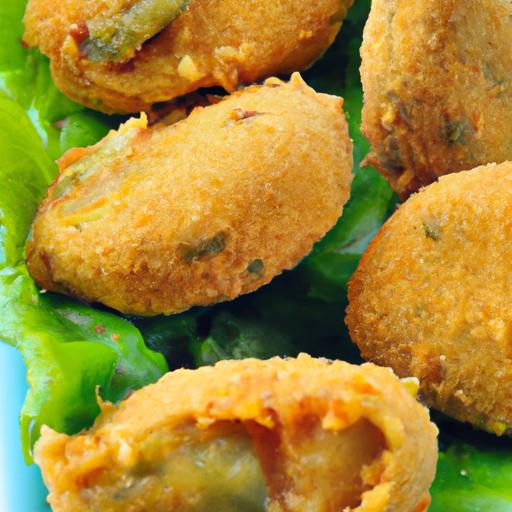

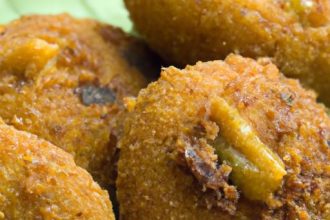

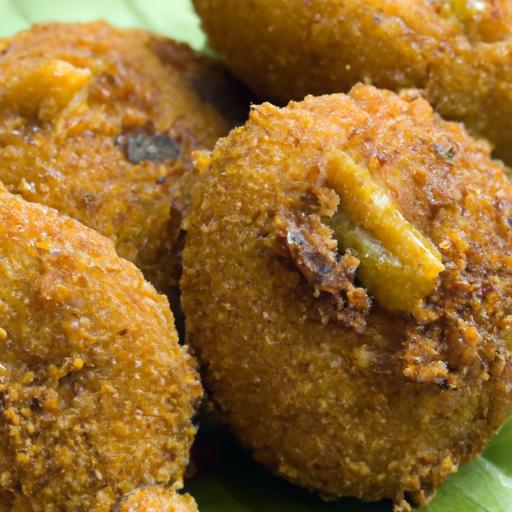
Nestled within the vibrant culinary landscape of Ecuador lies a dish that sings with the earthy aroma of ripe plantains and the comforting warmth of home-cooked tradition-Bolón de Verde. This beloved green plantain delight is more than just a meal; it’s a flavorful journey into the heart of Ecuadorian culture, where every bite tells a story of heritage, community, and culinary artistry. Crispy on the outside, soft and savory on the inside, Bolón de Verde embodies the perfect harmony between simplicity and satisfaction, inviting food lovers worldwide to savor a taste of Ecuador’s rich gastronomic tapestry. Join us as we explore the origins, ingredients, and irresistible charm of this iconic dish that continues to capture hearts and palates alike.
Bolon de Verde is a cherished treasure in Ecuadorian cuisine, a warm, savory delight that speaks to generations of tradition and community. This vibrant dish, made from mashed green plantains, showcases the artful fusion of simple ingredients into something deeply comforting and hearty. Originating primarily from the coastal and highland regions of Ecuador,Bolon de Verde is more than just food-it’s a symbol of home,celebration,and shared moments around the table. Growing up, I recall the irresistible aroma of fried green plantains wafting through the kitchen, drawing family and friends alike to indulge in this crispy, golden treat that pairs beautifully with fresh cheese, ripe avocados, or a rich cup of Ecuadorian coffee.
Prep and Cook Time
- Planning: 20 minutes
- Cooking: 15 minutes
- Total Time: 35 minutes
Yield
Serves 4 hearty portions
Difficulty Level
Easy to Medium – perfect for anyone ready to master traditional ecuadorian flavors.
Indispensable Ingredients for Authentic Bolon de Verde
- 4 large green plantains, peeled and chopped
- 1 cup crumbled queso fresco (or any fresh white cheese)
- 2 cloves garlic, minced
- 3 tablespoons butter or annatto oil for authentic flavor and color
- 1 teaspoon salt, or to taste
- Vegetable oil, for frying
- Optional: cooked chicharrón (pork cracklings) or cooked bacon bits for filling
Mastering the Art of Perfectly Mashing and frying Green Plantains
- Prepare the plantains: Peel and cut the green plantains into thick slices. Place them in a pot of boiling salted water and cook until tender but still firm-about 10-15 minutes.
- Drain thoroughly: Remove the cooked plantains and drain them well to avoid excess moisture, which can hinder the perfect mash consistency.
- Mash while warm: Using a sturdy fork or a traditional wooden pestle, mash the plantains until smooth but still slightly chunky. Stir in the minced garlic, salt, and butter for rich flavor and creaminess.
- Incorporate the cheese: Fold in the crumbled queso fresco, reserving a small amount to use as filling if desired. If using chicharrón or bacon bits, fold them in at this stage for an added savory punch.
- Form the bolones: Take a handful of the mashed mixture and shape it into a ball. Optionally, press a small indentation and fill it with reserved cheese or chicharrón, then seal it by rolling back into a ball.
- Fry until golden: Heat vegetable oil in a heavy skillet over medium heat. Fry each bolon, turning frequently, until all sides are crispy and golden brown-about 5 to 7 minutes per batch. Drain on paper towels to remove excess oil.
Tips for Success
- Plantain selection: Choose firm green plantains to ensure the bolon holds shape and provides the perfect slightly starchy texture.
- Mashing technique: Avoid over-mashing into a puree; slight chunkiness adds delightful texture.
- Frying oil temperature: Maintain medium heat to avoid burning the bolones while allowing thorough cooking.
- Make-ahead: Prepare mashed plantains a day ahead and refrigerate; shape and fry fresh before serving for best results.
- Variations: Experiment with fillings such as sautéed shrimp, pulled pork, or even a spiced veggie mix to customize your Bolon de Verde experience.
Creative Serving Suggestions to Elevate Your Bolon de Verde Experience
Serve your golden Bolon de Verde hot, garnished with fresh cilantro and alongside slices of creamy avocado.A drizzle of savory ají (Ecuadorian hot sauce) or a dollop of tangy sour cream pairs beautifully with each bite. For a heartier meal, accompany with scrambled eggs and a side of black beans or a fresh tomato salad. To elevate presentation, stack bolones in a rustic ceramic plate, sprinkled with crumbled queso fresco and adorned with thin lime wedges that brighten the palate.
| Nutritional Details (per serving) | Amount |
|---|---|
| Calories | 320 kcal |
| Protein | 8 g |
| Carbohydrates | 45 g |
| Fat | 12 g |
For an enriching dive into Ecuadorian cuisine, don’t miss our detailed guide on traditional Ecuadorian dishes. To understand the nutritional benefits of plantains, visit the NutritionValue.org plantain profile.

Q&A
Q&A: Bolon de Verde – Ecuador’s savory Green Plantain Delight
Q1: What exactly is Bolon de Verde?
A1: Bolon de Verde is a beloved Ecuadorian dish made primarily from green plantains. It’s a hearty, savory delight where the starchy plantains are boiled, mashed, and then formed into balls-frequently enough stuffed with cheese, chicharrón (crispy pork), or other flavorful fillings-before being pan-fried to golden perfection. Think of it as Ecuador’s answer to a comforting, crispy-on-the-outside, soft-on-the-inside treat that’s perfect for breakfast or any meal.
Q2: Why green plantains? Can’t you use ripe ones?
A2: Green plantains provide a neutral, slightly earthy flavor and firm texture that make Bolon de Verde uniquely satisfying.Unlike ripe plantains, which are sweet and soft, green plantains give that dense, starchy base necessary to hold the filling and crisp up beautifully when fried. It’s the green plantain’s subtle tang and resilience that let the savory fillings shine.
Q3: How is Bolon de Verde traditionally prepared?
A3: Traditionally, the green plantains are peeled and boiled until tender but still firm. Then they’re mashed with a pinch of salt and sometimes a splash of broth or butter. The dough is formed into small balls, flattened slightly, stuffed with your choice of cheese or pork, and then shaped back into smooth balls. they’re pan-fried in oil until the exterior is a crispy, golden crust encasing a warm, flavorful center.
Q4: What does Bolon de verde taste like?
A4: imagine a crunchy golden shell giving way to a creamy, starchy interior with bursts of melted cheese or savory pork. The plantain’s earthy flavor contrasts and balances the richness of the filling, creating a symphony of textures and tastes. it’s warm, comforting, and deeply satisfying-modern soul food with a distinctly Ecuadorian twist.
Q5: Is Bolon de Verde eaten at a specific time or occasion?
A5: Bolon de Verde is a versatile dish enjoyed at any time of day but is especially popular for breakfast or as a mid-morning snack. It’s also a common street food and festive item,often served with a tangy salsa or hot sauce to complement its richness. Sharing Bolon de Verde is sharing a taste of Ecuadorian home and tradition.
Q6: Are there any regional variations of Bolon de Verde?
A6: Yes! While the core concept remains the same, some regions add unique twists-like mixing in grated cheese directly into the plantain dough, using different fillings such as seafood or herbs, or serving it alongside plantain-based sauces. These subtle variations highlight Ecuador’s diverse culinary landscape and the adaptability of this humble dish.
Q7: Can Bolon de Verde be made vegan or vegetarian?
A7: Absolutely. Swap out traditional fillings like cheese and pork for vegan cheese, sautéed mushrooms, or seasoned veggies. The green plantain dough itself is naturally vegan,making Bolon de Verde a perfect canvas for plant-based creativity without losing its authentic charm.
Q8: What makes Bolon de Verde a cultural symbol in Ecuador?
A8: Bolon de Verde embodies the resourcefulness and vibrant flavors of Ecuador’s coastal regions.It’s a dish rooted in indigenous traditions, celebrating local ingredients like plantains, which are a dietary staple. More than just food, Bolon de Verde is a communal experience-bringing people together around simplicity, comfort, and cultural pride.
Whether you’re a food adventurer or simply curious about Ecuadorian cuisine, Bolon de Verde offers a delicious dive into the country’s rich culinary heritage-a savory, crispy green plantain ball that tells a story in every bite.
To Wrap It Up
Bolón de Verde is more than just a dish-it’s a vibrant celebration of Ecuador’s rich culinary heritage, where the humble green plantain transforms into a comforting, flavorful delight. Whether wrapped around melted cheese or paired with succulent meats, each bite tells a story of tradition, community, and the island’s fertile bounty. For those eager to explore Ecuadorian flavors beyond the usual,bolón de verde offers a savory invitation to savor a true taste of the coast,reminding us that sometimes,the simplest ingredients create the most memorable experiences.