


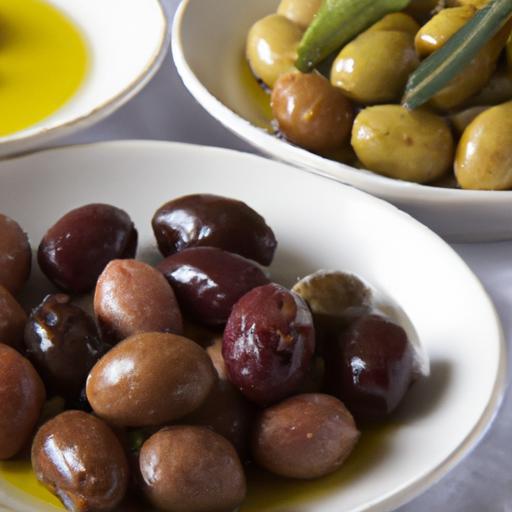
When it comes to capturing the vibrant essence of Mediterranean cuisine,few ingredients boast the same rich history and bold flavors as olives. These tiny powerhouses of taste have been cultivated for thousands of years, each variety bringing its own unique character to the table. Whether you’re drizzling briny green olives over a fresh Greek salad, savoring the buttery richness of black Kalamatas, or experimenting with the peppery punch of Ligurian Taggiasca, selecting the right olive can transform an ordinary dish into a culinary masterpiece. Join us as we explore the top olive varieties that will elevate yoru Mediterranean dishes, unlocking a world of flavors that celebrate tradition, terroir, and timeless deliciousness.
Choosing the perfect olive varieties to elevate your Mediterranean dishes can transform an ordinary meal into a vibrant culinary experience bursting with authentic flavors. Each olive type offers its own distinct texture, aroma, and taste profile that pairs beautifully with different dishes-from the briny punch of castelvetrano to the rich depth of Kalamata. Understanding these nuances allows you to confidently incorporate olives as star ingredients or subtle accents.
Prep and Cook Time
- Prep Time: 10 minutes
- Cook Time: Varies (typically none for olives themselves, but pairing dishes may take 20-40 minutes)
Yield
Varies depending on the recipe; here’s guidance for using olives as a condiment or ingredient in dishes serving 4.
Difficulty Level
Easy to Medium – selecting and pairing olives is simple, while incorporating them into dishes can range from quick assemblies to more involved preparations.
Exploring the Unique Characteristics of Popular Olive Types
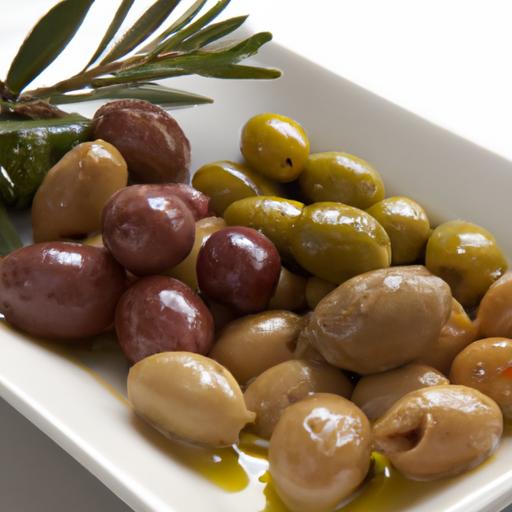
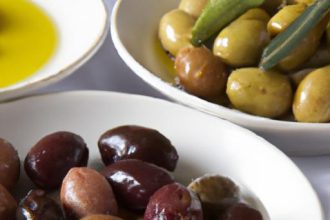
When you begin to explore the top olive varieties to elevate your Mediterranean dishes, you discover a spectrum of flavors that range from buttery and sweet to bold and tangy. Castelvetrano olives, originating from Sicily, are famous for their shining green color and mild, buttery taste that practically melts in your mouth. They work wonders in fresh salads or as part of an antipasto platter. Kalamata olives, with their deep purple-black hue and robust, fruity flavor, are quintessential to Greek cooking, enhancing dishes like Greek salad or rustic stews.
Gaeta olives offer a slightly wrinkled appearance with a subtle smoky bitterness and are staples in Italian pasta sauces and tapenades.For a more intense, earthy flavor, Picholine olives, French in origin, boast a pleasing crunch and a bright, slightly nutty finish that pairs impeccably with seafood dishes or charcuterie boards.
Pairing Olive Varieties with Classic Mediterranean Dishes
- Castelvetrano: Toss into a bright, citrusy salad with arugula and feta, or serve alongside mild cheeses and crusty bread.
- Kalamata: Ideal for topping Greek salads, folding into savory pies like spanakopita, or flavoring tomato-based sauces.
- Gaeta: Finely chopped and mixed into pesto,incorporated into hearty ragùs,or scattered over pizza for a hit of bitterness that balances rich cheeses.
- Picholine: Grate as a cocktail olive, stuffed with garlic or almonds, or paired with fresh oysters and shellfish.
By thoughtfully matching the olive variety to the dish’s flavor profile, you create layers of complexity that truly showcase Mediterranean authenticity.
Tips for Sourcing and Storing High Quality Olives at Home
To consistently use the top olive varieties to elevate your Mediterranean dishes, sourcing high-quality olives is key. Seek out specialty markets, Mediterranean grocers, or trusted online purveyors that store olives in brine or vacuum-sealed packaging to maintain freshness. Organic and cold-processed options often retain more vibrant flavors and nutrients.
Once home, store olives in their original brine or a homemade marinade inside an airtight container in the refrigerator. Properly stored olives can last several weeks, and allowing them to come to room temperature before serving enhances their subtle nuances.
Ingredients for Mediterranean Olive Tapenade
- 1 cup Kalamata olives, pitted
- 1/2 cup Castelvetrano olives, pitted
- 2 cloves garlic, minced
- 2 tbsp capers, rinsed
- 1 tbsp fresh lemon juice
- 1/4 cup extra virgin olive oil
- 1 tbsp fresh parsley, chopped
- Freshly ground black pepper, to taste
Instructions
- Prepare the olives: Pit the Kalamata and Castelvetrano olives unless they are already pitted, ensuring no bitterness from seeds.
- Combine ingredients: Place olives, garlic, capers, lemon juice, and parsley into a food processor.
- Pulse to coarse paste: Pulse the mixture 5-7 times, stopping to scrape down sides, preserving texture rather than pureeing into a smooth paste.
- Slowly add olive oil: With the processor running, drizzle in extra virgin olive oil until the mixture is easily spreadable but still holds some texture.
- Season: Taste and add freshly ground black pepper. Skip salt if olives and capers are salty enough.
- Rest before serving: Refrigerate for 30 minutes to allow flavors to meld and intensify. Bring to room temperature before serving for best taste.
Chef’s Notes
- Feel free to swap in Gaeta or Picholine olives for a different twist on this tapenade.
- For a smoky note, add a teaspoon of smoked paprika before blending.
- Use high-quality extra virgin olive oil to truly boost the flavor and authenticity.
- This tapenade keeps refrigerated up to one week and is fantastic on toasted baguette slices or as a condiment for grilled fish.
Serving suggestions
Serve your olive tapenade alongside a vibrant mezze platter featuring fresh pita,marinated feta,roasted red peppers,and sun-dried tomatoes. Garnish with a sprinkle of chopped parsley and a drizzle of olive oil.Pair with chilled white wine or crisp rosé to perfectly complement the salty, tangy flavors.
| Nutrient | Per 2 tbsp Serving |
|---|---|
| Calories | 90 |
| Protein | 1g |
| Carbohydrates | 2g |
| Fat | 8g (mostly healthy fats) |

To deepen your Mediterranean cooking repertoire, explore our guide to essential Mediterranean herbs and spices. For more on the health benefits of olives and their history, visit International Olive Council.
Q&A
Q&A: top Olive Varieties to Elevate Your Mediterranean Dishes
Q1: Why are olives so essential in Mediterranean cuisine?
A1: Olives aren’t just a flavorful ingredient; they’re a cultural cornerstone of Mediterranean cuisine. Their rich, briny character adds depth and complexity to dishes-from vibrant salads to hearty stews-instantly transporting your taste buds to sun-soaked coastal regions where culinary tradition meets natural bounty.
Q2: Which olive varieties are considered the best for cooking and eating?
A2: Some of the star varieties include Kalamata, Manzanilla, Castelvetrano, and Gaeta.Kalamata olives offer a deep, fruity intensity perfect for salads and tapenades. Manzanilla brings a tangy crunch, often featured in martinis or as table olives. Castelvetrano stands out with its mild, buttery flavor, making it a crowd-pleaser straight from the jar. Gaeta olives,with their slightly wrinkled texture and salty tang,are beloved in Italian dishes.
Q3: How do different olive varieties affect the flavor profile of Mediterranean dishes?
A3: Each olive variety carries unique flavor notes that can transform a dish’s character. For example, Kalamatas lend a robust, almost smoky essence that complements feta and roasted vegetables, while castelvetrano’s gentle sweetness balances spicy or acidic ingredients.Choosing the right olive can highlight or harmonize flavors, elevating your dish from ordinary to extraordinary.
Q4: Can you suggest some creative ways to use olives beyond just as a garnish?
A4: Absolutely! Think beyond the olive bowl:
- Chop Castelvetrano olives into pestos for a creamy, slightly sweet twist.
- Blend Kalamatas into tapenades that double as spreads or pizza toppings.
- Infuse olive oil with crushed Gaetas and herbs for a finishing drizzle that whispers Mediterranean charm.
- Incorporate Manzanilla slices into savory breads or braided focaccias for bursts of briny goodness.
Q5: Are there any tips for selecting and storing olives to maintain their best flavor?
A5: When buying olives, look for firm, glossy ones without blemishes, indicating freshness. If purchasing from bulk bins, ask about the curing method to anticipate the flavor. Store opened olives in their brine in the fridge,tightly sealed,to preserve taste and texture. Also, don’t hesitate to rinse overly salty olives briefly before using-they’ll mellow out nicely.
Q6: How can understanding olive varieties improve my Mediterranean cooking skills?
A6: Knowing your olives is like having a secret ingredient arsenal.It allows you to tailor your dishes with intention-leveling up from generic recipes to personalized culinary experiences. By pairing the right olive variety with your ingredients, you unlock richer flavors, more balanced dishes, and a deeper appreciation of Mediterranean traditions.
Q7: What’s a simple Mediterranean recipe where olives truly shine?
A7: Try a classic Greek salad: ripe tomatoes, crisp cucumbers, red onions, creamy feta, and a generous handful of Kalamata olives, all dressed in a zingy lemon-oregano vinaigrette. the olives add that essential salty tang, weaving the salad’s fresh, vibrant flavors into a cohesive, unforgettable bite.
With these olive varieties and insights, your Mediterranean dishes will not only taste authentic-they’ll tell a story of sun-drenched groves, centuries-old traditions, and the vibrant spirit of the Mediterranean coast. Embrace the olive, and let your cooking blossom.
To Wrap It Up
As the sun-soaked groves of the Mediterranean continue to inspire kitchens around the world, these top olive varieties stand as liquid gold, ready to transform your dishes with their distinct flavors and rich heritage. Whether drizzled over fresh salads, blended into vibrant tapenades, or simply enjoyed on their own, the right olive can transport your palate straight to the heart of the Mediterranean. Embrace these gems of the grove, and let each bite tell a story of tradition, terroir, and taste-elevating your culinary creations to new, unforgettable heights.