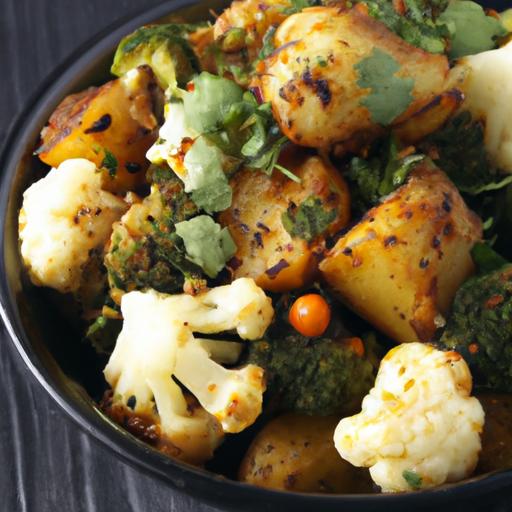



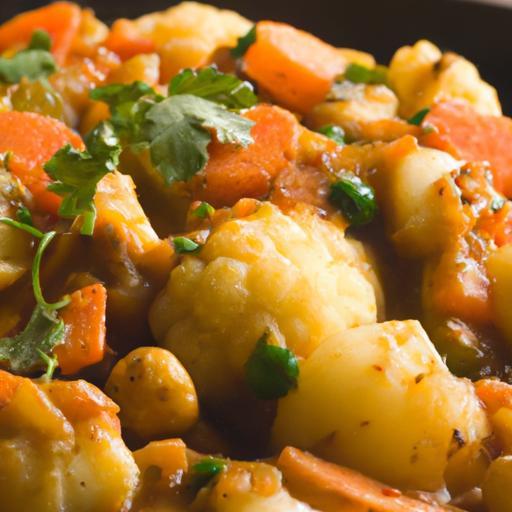
In the vibrant tapestry of Indian cuisine, few dishes capture the essence of home-cooked comfort quite like Aloo Gobi.This humble yet aromatic medley of potatoes and cauliflower has transcended its rustic origins to become a beloved classic across kitchens worldwide. With its golden hues and fragrant spices, Aloo Gobi tells a story of tradition, simplicity, and the harmonious balance of flavors.In this exploration, we peel back the layers of this timeless dish-uncovering its history, regional variations, and the secret to perfecting that irresistible blend of textures and tastes. Join us as we delve into the heart of Aloo Gobi, celebrating the potato and cauliflower duet that continues to delight palates across generations.
Aloo Gobi is a beloved staple in Indian kitchens, cherished for its vibrant colors, comforting aroma, and perfect balance of flavors. This classic potato and cauliflower delight has been passed down through generations, embodying the home-cooked warmth of everyday Indian meals.Originating from Northern India,notably Punjab and Delhi,its simplicity and wholesome ingredients make it an enduring favorite for all occasions,whether a humble family dinner or a festive gathering.
Prep and Cook Time
- Planning: 15 minutes
- Cooking: 30 minutes
- Total Time: 45 minutes
Yield
Serves 4 as a main or side dish
Difficulty Level
Easy
Essential Ingredients and Spices that Define Authentic aloo Gobi
- 3 cups cauliflower florets (washed and trimmed)
- 2 medium potatoes (peeled and diced into 1-inch cubes)
- 1 large onion finely chopped
- 2 medium tomatoes pureed or finely chopped
- 2 green chilies slit lengthwise (optional for heat)
- 1-inch piece ginger grated
- 3 garlic cloves minced
- 3 tbsp oil (mustard oil preferred for authentic flavor, or vegetable oil)
- 1 tsp cumin seeds
- 1 tsp turmeric powder
- 1 tbsp coriander powder
- 1 tsp garam masala
- 1/2 tsp red chili powder (adjust to taste)
- Salt to taste
- 2 tbsp fresh coriander leaves chopped (for garnish)
- 1 tsp amchur (dry mango powder) or lemon juice (optional for tang)
Step by Step Guide to Perfecting Texture and Flavor in Your Aloo Gobi
- Heat oil in a heavy-bottomed skillet over medium heat. add cumin seeds and let them sizzle until fragrant, about 30 seconds.
- Add the onions and sauté until translucent and golden, around 5-7 minutes.Stir frequently to develop a sweet, caramelized base.
- Introduce the ginger, garlic, and green chilies. Sauté for another 2 minutes, allowing their aroma to meld into the oil.
- Mix in the turmeric, coriander powder, red chili powder, and a pinch of salt. Stir briefly to toast the spices, about 1 minute, releasing their robust flavors.
- Add the tomato puree and cook until the oil starts separating from the masala, emulsifying the sauce, approximately 5 minutes.
- Gently fold in the potatoes and cauliflower florets, coating them thoroughly in the masala. Reduce heat slightly to avoid burning spices.
- Add 1/4 cup water, cover with a lid, and simmer on low for 20-25 minutes. Stir occasionally to prevent sticking and ensure even cooking.The vegetables shoudl be fork-tender but not mushy.
- Sprinkle garam masala and amchur powder or a squeeze of lemon juice for brightness. Mix well and cook uncovered for 2 more minutes.
- Turn off heat and garnish generously with fresh coriander leaves for a burst of freshness.
chef’s Notes: Tips for Success
- For a nuttier flavor, toast the dry spices for a minute before adding onions.
- Use mustard oil if you want that distinctive pungent aroma, key in authentic North Indian flavors.
- Cut potato and cauliflower pieces uniformly for even cooking.
- To reduce cooking time, parboil potatoes and cauliflower prior to adding.
- Leftovers taste even better the next day as flavors meld beautifully.
- Substitute cauliflower with broccoli for a twist.
Creative Variations and Serving Suggestions to Elevate the Classic Dish
While Aloo Gobi shines in its conventional form, it’s also a versatile dish ripe for creativity. For a richer texture, stir in a dollop of thick yogurt or a splash of cream at the end. Incorporating peas, carrots, or bell peppers adds color and sweetness. Spicing it with mustard seeds and curry leaves transports the dish to a South Indian palate, creating an exciting regional fusion.
To serve,pair the dish with soft tandoori roti,naan,or a steaming bowl of basmati rice. Garnish with freshly chopped coriander, a wedge of lime, and a sprinkling of roasted cumin powder to add extra zest. For a festive meal, accompany Aloo Gobi with dal, pickles, and papad for a well-rounded feast that bursts with textures and traditional authenticity.

| Nutrient | Per Serving |
|---|---|
| Calories | 180 kcal |
| Protein | 4g |
| Carbohydrates | 30g |
| Fat | 5g |
For a deeper dive into Indian spices and their health benefits, visit Spice Jungle’s comprehensive guide. Looking to explore more vegetarian Indian dishes? Check our detailed post on Vegetarian Indian Classics to keep your culinary journey vibrant and flavorful.
Q&A
Q&A: Aloo Gobi – The Classic Potato & cauliflower Delight Explored
Q1: What exactly is Aloo Gobi?
A: Aloo Gobi is a beloved vegetarian dish from the Indian subcontinent, combining tender potatoes (aloo) and cauliflower (gobi) cooked with a fragrant blend of spices.It’s a tapestry of flavors – earthy, warm, and comforting – that celebrates simplicity and spice in perfect harmony.
Q2: How did Aloo Gobi become such a staple in Indian cuisine?
A: Rooted in the heart of Indian home cooking, Aloo Gobi’s rise to prominence comes from its accessibility and versatility. Potatoes and cauliflower are widely available and affordable vegetables, making this dish a go-to for everyday meals. Its ability to adapt to regional spices and cooking styles has only deepened its cultural significance.
Q3: What are the key ingredients that give Aloo Gobi its distinctive flavor?
A: The magic lies in the aromatic blend of turmeric, cumin, coriander, and garam masala. Alongside garlic, ginger, and fresh chilies, these spices transform simple potatoes and cauliflower into a dish bursting with warmth and depth. Some versions add a hint of tomato or fenugreek leaves to elevate the flavor profile further.
Q4: Can Aloo Gobi be made for different dietary preferences?
A: Absolutely! By nature, Aloo Gobi is vegan and gluten-free, making it a versatile option for many diets. You can customize the spice levels to suit your palate or add ingredients like peas or tomatoes for extra texture and color.
Q5: What’s the best way to serve Aloo Gobi?
A: Traditionally, Aloo Gobi is served hot, garnished with fresh cilantro, alongside staples like roti, naan, or steamed rice. Its comforting texture and robust spices also make it a perfect side dish for festive meals or a hearty snack on its own.
Q6: Are there any fascinating regional variations of Aloo Gobi?
A: Definitely. In some northern Indian households, it’s cooked dry and mildly spiced, while in others, a saucier, tomato-based version prevails. Punjabi-style Aloo gobi often features a smoky tandoori touch,while Bengali variations might incorporate mustard oil and panch phoron (a five-spice blend) for a distinct aroma.
Q7: How can beginners avoid common pitfalls when making Aloo Gobi at home?
A: The trick is in cooking the potatoes and cauliflower evenly – too long, and they become mushy; too short, and they’re hard and unappetizing. Using fresh spices and not rushing the sautéing step helps release the essential oils, building layers of flavor. Lastly, resist the urge to stir constantly; letting the vegetables brown slightly adds a lovely depth.
Q8: Why does aloo Gobi continue to captivate food lovers worldwide today?
A: Beyond its enticing flavors and textures, Aloo Gobi embodies the soul of comfort food with a spicy twist. It’s a dish that resonates across cultures, inviting everyone to experience the richness of Indian culinary tradition – one humble potato and cauliflower bite at a time.
Future Outlook
As the comforting aroma of turmeric and cumin fades, we find ourselves richer in both flavor and understanding. Aloo Gobi is more than just a humble medley of potato and cauliflower; it is indeed a vibrant festivity of simplicity, tradition, and the art of balancing spices. Whether served as a hearty main or a colorful side, this classic dish continues to bridge kitchens and cultures with every golden bite. So next time you stir your pot of aloo gobi, remember-you’re partaking in a timeless culinary story that has delighted taste buds across generations.