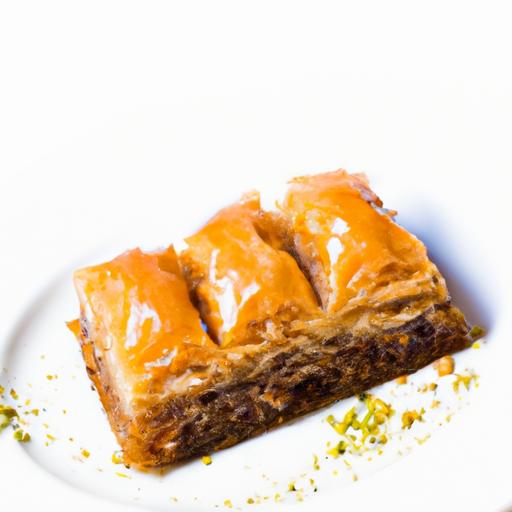

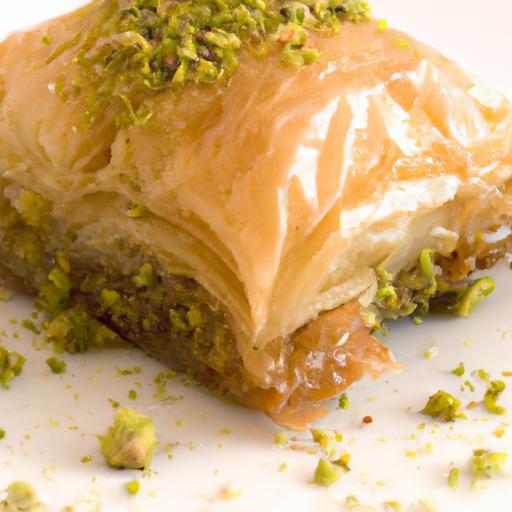
Crisp, golden sheets of phyllo dough, drenched in fragrant honey and sprinkled with a mosaic of nuts – baklava is more than just a dessert; it’s a tapestry woven with centuries of history and culture. From the bustling bazaars of the Middle East to the elegant pastry shops of the Mediterranean, each flaky layer tells a story of tradition, trade, and tantalizing flavor. in “Baklava Unwrapped: Sweet Layers of History and Flavor,” we embark on a journey through time and taste, exploring how this beloved treat evolved from ancient kitchens to global fame, while uncovering the secrets behind its irresistible sweetness and delicate texture. prepare to savor not only the luscious dessert but also the rich heritage tucked between every bite.
Baklava Unwrapped invites you on a journey through time and taste, where flaky layers meet rich nuts and fragrant honey in a symphony of sweetness. Rooted in ancient traditions and celebrated across diverse regions, this timeless dessert has captured hearts and palates worldwide. Whether you’ve enjoyed it at a bustling Mediterranean bazaar or a cozy family gathering,mastering baklava at home brings an intimate connection to its heritage and a delight to every bite.
Prep and Cook Time
- Readiness: 45 minutes
- Cooking: 50 minutes
- Cooling & Soaking: 4 hours (preferably overnight)
Yield
Approximately 24 pieces, serving 8-10 people
Difficulty Level
Medium – Patience and finesse required to layer perfectly crisp phyllo and evenly distributed nuts.
Ingredients
- 1 package (16 oz) phyllo dough, thawed overnight in refrigerator
- 2 cups walnuts, finely chopped
- 1/2 cup pistachios, finely chopped (optional for color and flavor)
- 1 teaspoon ground cinnamon
- 1 cup unsalted butter, melted
- 1 cup granulated sugar
- 1 cup water
- 1/2 cup honey (preferably wildflower honey or orange blossom for floral notes)
- 1 teaspoon fresh lemon juice
- 1 teaspoon vanilla extract
Instructions
- Prepare the syrup: in a medium saucepan, combine sugar, water, honey, and lemon juice. Bring to a gentle boil over medium heat, stirring occasionally. reduce heat and simmer for 10 minutes until slightly thickened.Stir in vanilla extract, then remove from heat to cool.
- Prep the nut filling: In a bowl, mix together finely chopped walnuts, pistachios, and ground cinnamon until evenly combined. Set aside.
- Handle the phyllo dough carefully: Unroll thawed phyllo sheets and cover with a damp kitchen towel to prevent drying. Working quickly, brush a 9×13 inch baking pan with melted butter.
- Layer the phyllo: Place the first sheet of phyllo in the pan, brushing generously with melted butter. Repeat layering and buttering for 8 sheets total.
- add nut filling: Spread a thin, even layer of the nut mixture over the phyllo base. then, layer 5 more phyllo sheets on top, brushing each with butter as before.
- Repeat layers: Continue alternating layers of nut filling and phyllo sheets, using about 3-4 sheets per layer, until all filling is used. Finish with a final layer of 8 phyllo sheets, buttering each.
- Cut before baking: Using a sharp knife, cut the assembled baklava into diamond or square shapes. This helps the syrup penetrate after baking.
- Bake the baklava: Preheat oven to 350°F (175°C). Bake for 45-50 minutes, or until the top is golden brown and crisp. Watch closely to avoid burning.
- Soak with syrup: Instantly after removing from the oven, pour the cooled syrup evenly over the hot baklava. Allow to absorb and cool completely, ideally for 4 hours or overnight for best flavor and texture.
chef’s Notes / Tips for success
- Phyllo handling: Phyllo is delicate-always keep it covered with a damp towel to prevent drying out and tearing.
- butter clarity: Melt the butter gently and strain off any milk solids for a cleaner finish and less sogginess.
- Nut variety: Swap walnuts or pistachios for almonds or hazelnuts to explore regional flavors!
- Syrup flavor boost: Infuse syrup with cinnamon sticks or a splash of rose water for traditional aromatic layers.
- Make-ahead option: Baklava improves after resting in syrup for 24 hours; store covered at room temperature.
Serving Suggestions
Serve pieces on a decorative platter, garnished with a light dusting of powdered sugar or finely ground pistachios for a pop of color. Pair with a strong cup of Turkish coffee or mint tea to balance the sweetness. For festive occasions, a dollop of lightly whipped cream or a scoop of vanilla ice cream adds indulgent contrast.

| Nutrient | Per Serving (1 piece) |
|---|---|
| Calories | 210 kcal |
| Protein | 3 g |
| Carbohydrates | 24 g |
| Fat | 12 g |
For further inspiration on Middle Eastern desserts, explore our comprehensive guide to traditional sweets. To deepen your understanding of baklava’s ancient roots and cultural significance, visit the insightful article on Britannica’s Baklava Overview.
Q&A
Q&A: Baklava Unwrapped – Sweet layers of History and Flavor
Q1: What exactly is baklava?
A1: Baklava is a luscious pastry composed of thin, flaky layers of phyllo dough, generously filled with chopped nuts and sweetened with honey or syrup. Its crisp,golden layers conceal an irresistible sticky sweetness that has enchanted dessert lovers for centuries.
Q2: Where did baklava originate?
A2: The origins of baklava are as rich and layered as the dessert itself. While its precise birthplace is debated, baklava is most commonly linked to the Ottoman Empire, flourishing in royal kitchens from Istanbul to the Mediterranean. Its roots reach back further to ancient Anatolia and Mesopotamia, evolving over centuries into the treat we treasure today.Q3: What makes baklava so special compared to other pastries?
A3: It’s all about the contrast and harmony. The ultra-thin, crisp phyllo layers provide a delicate crunch that perfectly balances the buttery richness and the nutty, aromatic filling. Then comes the drizzle of fragrant honey or rosewater syrup, which seeps into every fold, creating a sweet, moist finish that lingers on the palate.
Q4: What types of nuts are traditionally used in baklava?
A4: While walnuts, pistachios, and almonds are the stars of baklava’s nutty symphony, regional preferences vary. Turkish baklava often showcases pistachios, Greek versions lean toward walnuts, and some Middle Eastern recipes combine several nuts to create complex textures and flavors.
Q5: How has baklava evolved over time?
A5: From palace delicacy to beloved street food, baklava has journeyed through centuries and continents, adapting to local tastes and ingredients. Modern variations include adding spices like cinnamon or cardamom, experimenting with different nuts, or even inserting chocolate layers. Yet, through all these evolutions, baklava retains its essential character of layered sweetness and crisp texture.
Q6: Can baklava be enjoyed beyond dessert?
A6: Absolutely! While traditionally enjoyed as a dessert, baklava’s rich nutty sweetness makes it a luxurious treat for breakfast with tea or coffee. In some cultures, it’s also served during festive occasions and celebrations, symbolizing hospitality and abundance.
Q7: How can one best enjoy baklava at home?
A7: For authentic enjoyment, savor baklava fresh and slightly warm to experience the ideal crispiness and syrup-infused tenderness. Pair it with strong, bitter coffee or fragrant black tea to balance its sweetness. And don’t rush-the magic lies in savoring each delicate, crunchy layer that tells the story of centuries-old culinary artistry.
Closing Remarks
As we close the delicate folds of baklava’s story, it’s clear that this layered marvel is far more than a dessert-it is a culinary tapestry woven through centuries, cultures, and kitchens. Each flaky bite carries whispers of ancient traditions, masterful craftsmanship, and a sweetness that transcends borders. Whether savored in a bustling market or made lovingly at home, baklava invites us to taste history one delectable layer at a time. So next time you unwrap this golden treasure, remember: you’re not just enjoying a treat-you’re savoring a rich legacy baked into every bite.