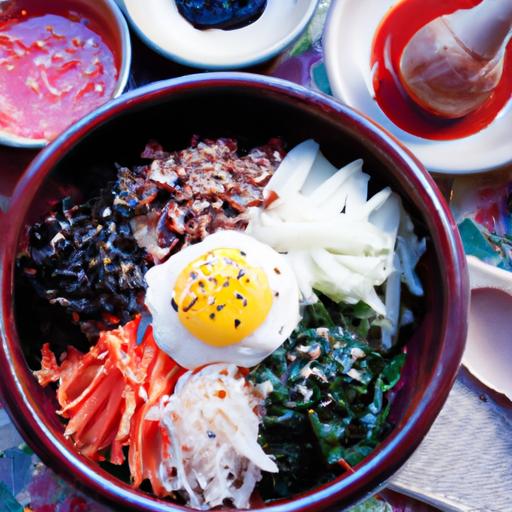


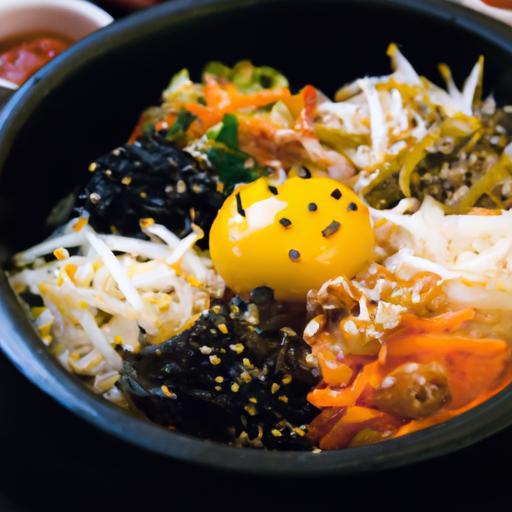
In the vibrant tapestry of Korean cuisine, few dishes capture the essence of culture, flavor, and artistry quite like bibimbap. This kaleidoscope of colors and textures-rice topped with an array of seasoned vegetables, savory meat, a sunny egg, and a drizzle of fiery gochujang-invites both the eyes and the palate on a captivating journey.More than just a meal, bibimbap is a celebration of balance and harmony, where each ingredient tells a story rooted in tradition and regional diversity. Join us as we unveil the secrets behind Korea’s beloved mixed rice bowl delight, exploring its history, ingredients, and the cultural significance that makes bibimbap a timeless culinary treasure.
Bibimbap is a culinary masterpiece that beautifully encapsulates Korea’s vibrant food culture.This colorful mixed rice bowl delight harmonizes an array of textures and flavors, combining warm rice with crisp vegetables, rich proteins, and a spicy-sweet gochujang sauce, all beautifully crowned with a perfectly fried egg. My first bite of bibimbap was transformative-each spoonful telling a story of tradition, balance, and celebration.
Origins and Cultural Significance of Bibimbap Explored
Bibimbap traces its roots back to the royal courts of the Joseon Dynasty, where it was a feast of assorted ingredients designed to please both the eye and palate. More than a dish, bibimbap embodies the Korean principle of “five colors” (obangsaek), representing harmony and health. Traditionally served during special occasions like harvest festival (Chuseok) or as a practical, wholesome way to enjoy leftovers, bibimbap is a symbol of communal dining and balanced nutrition. Its invited medley encourages mindfulness and joy in every mixed bite.
Key Ingredients and Their Flavorful Harmony Revealed
At the heart of bibimbap lies steamed white rice, the foundation upon which other ingredients build a masterpiece. Crisp julienned carrots, sautéed spinach, earthy shiitake mushrooms, tender soybean sprouts, and savory marinated beef meld with the fiery pop of gochujang, Korea’s signature chili paste. A fried egg, with its golden yolk ready to spill, adds richness and unites the bowl’s components. Sesame oil and toasted seeds give a fragrant finish,while each component delivers a different texture and taste-crisp,nutty,sweet,and umami-creating a symphony of flavor that celebrates balance and contrast.
Prep and Cook time
- Planning: 25 minutes
- Cooking: 20 minutes
- Total time: 45 minutes
Yield
Serves 4 hearty portions
Difficulty Level
Medium – Ideal for cooks comfortable with multi-component dishes
Ingredients
- 2 cups short-grain white rice, rinsed and cooked
- 1 cup shiitake mushrooms, sliced
- 1 cup fresh spinach leaves, washed
- 1 cup soybean sprouts, blanched
- 1 medium carrot, julienned
- 200g ground beef or thinly sliced rib-eye, marinated
- 2 cloves garlic, minced
- 4 eggs
- 4 tbsp gochujang (Korean chili paste)
- 2 tbsp sesame oil, toasted
- 1 tbsp soy sauce
- 1 tbsp vegetable oil
- 1 tsp sugar
- Sesame seeds, for garnish
- Scallions, finely chopped, for garnish
Step by Step Guide to Crafting the Perfect Bibimbap at Home
- Prepare the rice: Rinse rice under cold water until clear. Cook in a rice cooker or pot until fluffy. Keep warm.
- Sauté vegetables separately: In a pan, heat 1 tsp vegetable oil. sauté shiitake mushrooms with half the minced garlic and soy sauce until tender, about 5 minutes. Set aside. Sauté carrots lightly until softened but still crisp, about 2 minutes. Blanch spinach and soybean sprouts separately-then season both with a pinch of salt, a drizzle of sesame oil, and remaining garlic.
- cook the beef: Marinate ground beef with soy sauce, sugar, and a touch of sesame oil for 10 minutes. Then, cook in a hot skillet over medium-high heat until browned and fully cooked, breaking it into crumbly pieces.
- Fry the eggs: heat a small amount of oil in a pan and fry eggs sunny side up, with runny yolks to add creaminess.
- Assemble the bibimbap: Place a generous scoop of rice in each bowl. Artfully arrange each vegetable and beef around the perimeter. Place the fried egg on top center.
- Final touches: Add a heaping tablespoon of gochujang on the side or atop each bowl and drizzle with sesame oil. garnish with sesame seeds and scallions.
- Serve: Encourage diners to mix all ingredients thoroughly before eating to experience the full harmony of flavors and textures.
Expert Tips for Customizing Your Bibimbap Experience
- Substitute proteins with tofu or grilled chicken for a vegetarian or lighter version.
- Try kimchi as an additional topping for fermented tang and spice.
- Use brown rice or quinoa for a nutritious cereal grain variation.
- To save time,prep vegetables a day in advance and refrigerate in airtight containers.
- If gochujang is too spicy, mix with honey or a little water for a milder glaze.
serving Suggestions
Serve bibimbap in warm, shallow bowls to maintain heat. Include small side dishes like pickled radish (danmuji) or kimchi for contrast.Pair with a crisp Korean barley tea or a light sparkling water with lemon. A fresh cucumber salad garnished with toasted sesame seeds complements bibimbap perfectly,adding a cool crunch to balance the bowl’s rich elements.

| Nutrient | Per Serving |
|---|---|
| Calories | 540 kcal |
| Protein | 27 g |
| Carbohydrates | 65 g |
| Fat | 15 g |
To dive deeper into Korean cuisine, check out our detailed guide on Kimchi, Korea’s Traditional Fermented Delight. For more history and cultural context, Korean Cultural society offers an excellent resource on traditional dishes including bibimbap.
Q&A
Q&A: Bibimbap Unveiled – Korea’s Colorful Mixed Rice Bowl Delight
Q1: What exactly is Bibimbap?
A1: Bibimbap, literally meaning “mixed rice,” is a vibrant Korean dish that combines warm rice with an assortment of sautéed and seasoned vegetables, sliced meat (often beef), a fried egg, and a dollop of spicy gochujang (red chili paste). Before eating, everything is thoroughly mixed together, creating a harmonious blend of flavors and textures in every bite.
Q2: Why is Bibimbap considered a symbol of Korean cuisine?
A2: Beyond its delightful taste, Bibimbap embodies the essence of Korean culinary philosophy-balance, color, and harmony.The dish showcases a rainbow of ingredients, each representing different nutrients and flavors, and reflects Korea’s agricultural heritage and the importance of seasonal, fresh produce. It’s a celebration of both simplicity and complexity on one plate.Q3: Where did Bibimbap originate?
A3: Bibimbap’s origins date back centuries, with roots in both royal court cuisine and peasant fare.Traditionally, it was a practical meal for farmers who mixed leftover vegetables and rice for a swift, nutritious lunch. Over time, it evolved into a festive dish, gaining popularity throughout korea and eventually the world.
Q4: What makes the presentation of Bibimbap so visually striking?
A4: Bibimbap is a feast for the eyes! the dish is artfully arranged with each vegetable and topping placed separately atop the rice, often in colorful segments. Think vibrant greens from spinach and zucchini,deep oranges from carrots,rich browns from mushrooms and beef,shining yellows from egg yolk,and fiery reds from gochujang. This kaleidoscope of colors not only pleases the palate but also delights the senses.
Q5: Is Bibimbap adaptable for different diets?
A5: Absolutely! While the traditional recipe features meat and egg, Bibimbap is wonderfully versatile. Vegetarians and vegans can enjoy it by substituting meat with tofu or mushrooms and skipping the egg or replacing it with plant-based alternatives. The key is the medley of fresh, seasoned vegetables and that signature spicy-gochujang kick.
Q6: How should one properly eat Bibimbap?
A6: The magic of Bibimbap lies in mixing. Once served,you stir together all the components-rice,vegetables,meat,egg,and sauce-until everything is evenly combined.This melding of textures and flavors is what gives Bibimbap its satisfying,comforting character. Pair it with a side of kimchi or a bowl of soup for a truly authentic Korean meal experience.
Q7: Can Bibimbap be made at home easily?
A7: Yes! While it might seem intricate, making Bibimbap at home is quite approachable. With a variety of prepped vegetables, cooked rice, and gochujang on hand, you simply sauté or steam your chosen veggies, fry an egg sunny side up, and assemble everything before the final joyful mixing. It’s a fun, customizable dish perfect for home cooks keen to explore Korean flavors.
Q8: What cultural significance does Bibimbap hold in Korea today?
A8: Bibimbap remains a beloved national dish and a source of pride, often served during festivals, celebrations, and important gatherings. It symbolizes unity and sharing-just as its ingredients come together harmoniously in one bowl,so does it bring people together around the table. Bibimbap is more than food; it’s a colorful expression of Korean identity and hospitality.
In essence, Bibimbap is Korea’s edible canvas-a beautiful, nourishing mosaic that offers a story in every mouthful. if you seek a dish that delights with both flavor and culture, Bibimbap is a must-try culinary adventure!
In Summary
As we conclude our flavorful journey through the vibrant world of bibimbap, it’s clear that this humble mixed rice bowl is much more than a meal-it’s a colorful tapestry of Korean culture, history, and culinary artistry. Each bite offers a harmonious blend of textures and flavors, inviting both the palate and the eye to savor the meticulous balance of nature’s bounty. Whether enjoyed in a bustling Seoul eatery or recreated in your own kitchen, bibimbap stands as a delicious reminder that food can be both an expression of identity and a joyful celebration of diversity. So next time you crave a dish that’s as wholesome as it is beautiful,let bibimbap unveil its magic on your plate.