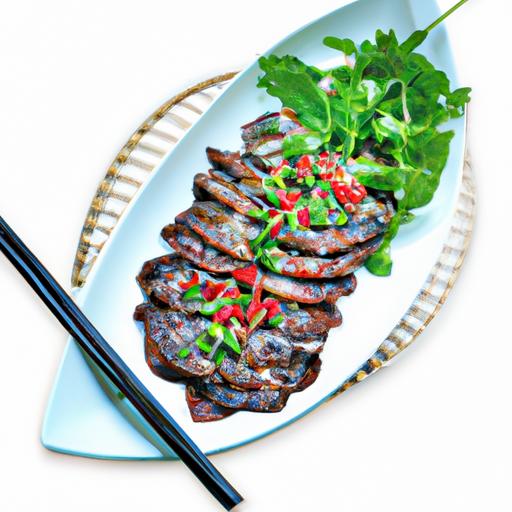

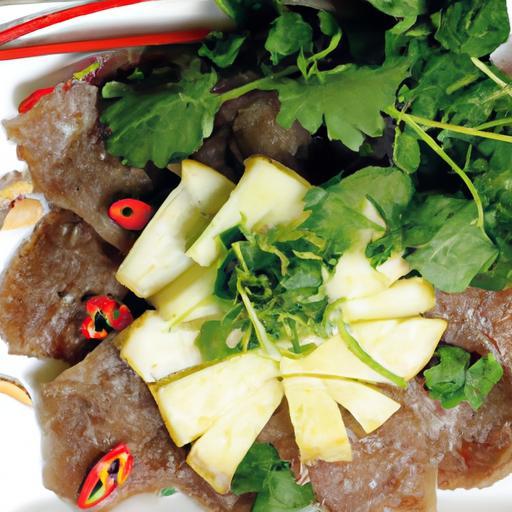
In the bustling streets of Hanoi, where every corner hums with the sizzle of open flames and the rich aroma of fragrant herbs, a culinary treasure awaits finding: Bun Cha. This beloved Vietnamese dish, a harmonious dance of savory grilled beef and delicate rice noodles, offers more than just a meal-it’s an invitation to experience the soul of Vietnam on a plate. “Bun Cha Unveiled: Vietnam’s Savory Grilled Beef & Noodle Delight” takes you on a flavorful journey through the origins, ingredients, and cultural meaning of this iconic dish, revealing why it has captured the hearts and palates of food lovers around the world. Prepare to immerse yourself in the vibrant tapestry of tastes and traditions that make Bun Cha a true gastronomic masterpiece.
Bun Cha is a quintessential Vietnamese dish that perfectly balances smoky grilled beef with fresh, aromatic herbs and light rice noodles, creating an unforgettable harmony of flavors and textures. Originating from Hanoi, this beloved street food has enthralled locals and travelers alike. Its cultural significance runs deep, symbolizing convivial dining and Hanoi’s rich culinary heritage. As you delve into this recipe, prepare to unlock the secrets behind grilling the beef to smoky perfection and crafting the vibrant, balanced noodle bowl essential for an authentic Bun Cha experience.
Prep and Cook Time
- Planning: 30 minutes
- Marinating: 1 hour (minimum)
- Cooking: 20 minutes
- Total Time: 1 hour 50 minutes
Yield
Serves 4 hungry diners
Difficulty Level
Medium – perfect for adventurous home cooks ready to explore authentic Vietnamese street food at home
Ingredients
- For the Grilled Beef:
- 600g pork shoulder, thinly sliced (substitute with beef flank for variation)
- 4 cloves garlic, minced
- 3 tbsp fish sauce
- 2 tbsp sugar
- 2 tbsp honey or maltose
- 1 tbsp soy sauce
- 1 tbsp vegetable oil
- 1 tsp black pepper
- 1 tsp freshly ground coriander seeds
- For the Noodle Bowl:
- 400g dried rice vermicelli noodles (bun)
- Fresh herbs: mint, cilantro, Thai basil (1 cup each, loosely packed)
- 2 cups shredded lettuce or cabbage
- 1 medium carrot, julienned
- 1 cucumber, thinly sliced
- For the dipping sauce (Nuoc Cham):
- 1/2 cup warm water
- 3 tbsp sugar
- 3 tbsp fish sauce
- 2 tbsp fresh lime juice
- 1 garlic clove, finely minced
- 1 bird’s eye chili, thinly sliced (optional)
- 2 tbsp shredded pickled carrots and daikon (optional)
Instructions
- Marinate the Meat: In a large bowl, whisk together fish sauce, sugar, honey, soy sauce, minced garlic, vegetable oil, black pepper, and ground coriander seeds. Add the sliced pork (or beef) and toss to coat.Cover and marinate in the refrigerator for at least 1 hour for deep flavor absorption.
- Prepare the Noodles: Soak rice vermicelli in warm water for 10-15 minutes until soft. Drain and rinse well with cold water to prevent sticking.Drain again and set aside covered.
- make the Nuoc Cham Sauce: Dissolve sugar in warm water,then stir in fish sauce and lime juice. Add minced garlic and chili slices. Adjust balance of sweet, salty, and sour to taste. Mix in pickled veggies if using for bursts of texture.
- Grill the Meat: Preheat a grill pan or charcoal grill to medium-high heat. Skewer or lay pork slices flat, grilling about 3-4 minutes per side until edges caramelize and the meat is juicy with smoky char marks.Avoid overcooking to keep tenderness and moisture.
- Assemble the Bowl: In individual bowls, place a bed of noodles topped with fresh herbs, shredded lettuce or cabbage, julienned carrot, and cucumber slices. Arrange grilled meat on a separate plate alongside the dipping sauce.
- Serving: Traditionally, each person dips the grilled meat into the Nuoc Cham sauce, then eats a bite with noodles and fresh herbs to marry smoky richness with fresh brightness in every mouthful.
Chef’s Notes and Tips for Success
- Choosing the Meat: Pork shoulder is ideal due to its marbling and tenderness, but robust flank steak works well if you prefer beef. Slice thinly for even grilling.
- Marinating Time: Patience is key. Marinate for at least 1 hour, but overnight yields even deeper flavors.
- Grilling Technique: Using charcoal imparts authentic smoky flavor but a grill pan is an excellent choice. Ensure your grill is hot to achieve quick searing and caramelization.
- Noodle Handling: Avoid over-soaking noodles to maintain their delicate bite.Rinse under cold water to stop cooking and reduce stickiness.
- Nuoc Cham Balance: Always taste and adjust this dipping sauce. Everyone’s preference for sweet, sour, or salty varies-this sauce is the soul of Bun Cha.
- Make Ahead: Marinate meat up to 24 hours in advance. Noodles and herbs are best freshly prepared.
Serving Suggestions
Present Bun Cha in vibrant, shallow bowls with separate plates of grilled meat and dipping sauce for interactive dining. Garnish with lime wedges and extra fresh herbs on the side. Serve with a small bowl of crushed peanuts or fried shallots for added crunch. Pair with a cold Vietnamese iced coffee or jasmine tea for an authentic experience.
| Nutrient | Per Serving |
|---|---|
| Calories | 420 kcal |
| Protein | 35 g |
| Carbohydrates | 35 g |
| Fat | 15 g |

For a deeper dive into Vietnamese noodle dishes, explore our authentic Pho recipe. To learn more about the cultural roots and global influence of vietnamese cuisine, visit Vietnam National Management of Tourism.
Q&A
Q&A: Bun Cha Unveiled – Vietnam’s Savory Grilled Beef & Noodle Delight
Q1: What exactly is bun Cha?
A1: Bun Cha is a quintessential Vietnamese dish hailing from the bustling streets of Hanoi. It’s a harmonious combination of grilled pork patties and thin slices of savory pork belly, lovingly charred over an open flame, served atop a bed of fresh rice vermicelli noodles. The dish is completed with a tangy, sweet, and mildly spicy dipping sauce, fresh herbs, and crunchy pickled vegetables-a party of flavors and textures in every bite.
Q2: How did Bun Cha originate and earn its cultural significance?
A2: The roots of Bun Cha trace back centuries to Northern vietnam, where street vendors would grill pork over charcoal grills, offering an affordable yet delectable meal to locals. Over time, it evolved into a beloved national treasure, representing the heart of Hanoi’s culinary identity.Its popularity soared after a famed American president shared a memorable meal with locals, propelling Bun Cha into international food fame.
Q3: What makes Bun cha different from other Vietnamese noodle dishes?
A3: Unlike pho or bun bo Hue, which highlight fragrant broths, Bun Cha is a dry noodle dish where the star is the smoky grilled pork and the interplay of fresh herbs and a vibrant dipping sauce. The noodles themselves serve as a neutral canvas, allowing the bold, caramelized flavors of the pork and the zing of the dipping fish sauce to shine. It’s all about balance-charred meat, fresh greenery, tangy sauce, and chewy noodles.
Q4: What herbs and accompaniments are essential to a true Bun Cha experience?
A4: Freshness is key. Typical accompaniments include mint, perilla leaves, cilantro, and lettuce. Crunchy pickled carrots and daikon add brightness, while slices of fresh chili bring heat. These greens and pickles aren’t just garnishes; thay provide contrast and lift the richness of the grilled pork, creating a symphony of tastes and textures.
Q5: Can Bun Cha be easily recreated at home?
A5: Absolutely! Though authentic Bun Cha relies on charcoal grilling for that signature smoky char, a grill pan or outdoor grill can do just fine. Homemade dipping sauce blends fish sauce, lime juice, sugar, garlic, and chili to perfection. The key lies in balancing the marinade and grill technique so the pork emerges tender, juicy, and caramelized. Armed with fresh herbs and noodles, your kitchen can transform into the lively streets of Hanoi.
Q6: Why should food lovers add Bun Cha to their culinary bucket list?
A6: Bun Cha isn’t just food-it’s a cultural experience wrapped in savory goodness. Each mouthful tells a story of tradition, community, and Vietnam’s masterful play with flavor contrasts. For adventurous eaters, it’s a chance to savor smoky sweetness, citrusy tang, herbaceous freshness, and spicy warmth all at once. Ultimately, bun Cha promises more than hunger satiation-it offers a appetizing glimpse into Vietnamese life and hospitality.
To Conclude
As the smoky aroma of charred beef mingles with the fresh zest of herbs and the subtle crunch of pickled vegetables, Bun Cha stands not just as a dish, but as a vibrant tapestry of Vietnamese culture and culinary artistry. More than a meal, it’s an invitation to savor the harmonious blend of flavors that tell a story of tradition, community, and passion.Whether enjoyed bustling street-side in Hanoi or recreated in your own kitchen abroad, Bun Cha remains a timeless delight-an edible journey that unites the senses and celebrates the heart of Vietnam’s rich gastronomic heritage. So next time hunger calls, remember: a bowl of Bun Cha is more than food-it’s an experience waiting to be unveiled.