

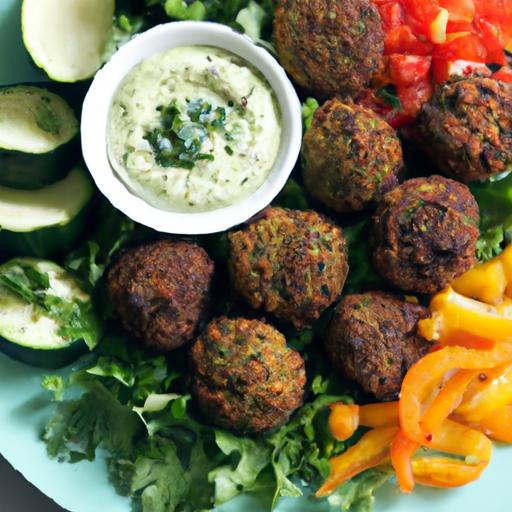
There’s something undeniably magical about biting into a perfectly crisp falafel-its golden crust giving way to a tender, aromatic interior bursting with herbs and spices. This beloved Middle Eastern delight has won hearts worldwide, transcending cultures with its irresistible flavor and satisfying texture. But behind every flawless falafel lies a delicate balance of ingredients,timing,and technique. In this article, we’ll journey through the art of crafting falafel from scratch, unlocking tips and secrets to help you master this savory treat in your own kitchen. Whether you’re a seasoned cook or a curious beginner, prepare to transform humble chickpeas into a culinary masterpiece that’s as vibrant in taste as it is in tradition.
Choosing the Ideal Chickpeas for Ultimate Texture
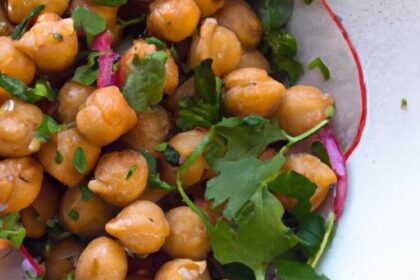
Crafting perfect falafel begins with selecting the right chickpeas. For that signature fluffy yet hearty texture, use dried chickpeas soaked overnight rather than canned. This simple step ensures the falafel holds together without becoming mushy-resulting in a light interior that contrasts beautifully with the crispy crust. Soaking hydrates the beans while preserving their granular bite.
When choosing chickpeas,look for plump,unblemished peas free from cracks. Organic varieties often have a richer, nuttier flavor. Soaking time is crucial-typically 12 to 24 hours-allowing the legumes to soften just enough for blending yet retain some structure. If pressed for time, a quick soak in boiling water for 1 hour works, but the texture will be less authentic.
Mastering the Blend of Fresh Herbs and Spices
Falafel’s flavor unfolds from its vibrant medley of fresh herbs and warm spices. Parsley and cilantro create a fresh, grassy base, while cumin and coriander seed add an earthy, slightly citrusy warmth. Don’t shy away from garlic and onion; these aromatics ground the bite with savoriness.
For balance, finely chop herbs just before mixing to release their essential oils fully. Toasting whole spices like cumin and coriander before grinding elevates their fragrance exponentially-filling your kitchen with an irresistible perfume. The subtle heat of ground cayenne or a pinch of black pepper rounds out the palate without overpowering.
Secrets to achieving Crispy Golden Exteriors
The hallmark of perfectly crafted falafel is its crisp, golden-brown crust. Achieving this requires both the right fat and precise temperature control. Use fresh, neutral oil like vegetable or grapeseed oil-both have high smoke points ideal for frying.
Heat the oil to between 350°F and 375°F (175°C – 190°C).Too low, and falafel will absorb excess oil and become soggy; too hot, and the crust burns before the inside cooks through. Fry in small batches to maintain oil temperature, turning gently until evenly browned on all sides. A slotted spoon helps remove the falafel easily, draining off excess oil.
expert Tips for Perfectly Moist and Flavorful Interiors
The magic of falafel lies inside-a moist, tender crumb bursting with flavor. To achieve this, avoid overprocessing the chickpea mixture; pulse gently using a food processor, aiming for a coarse rather than smooth paste. Incorporate a binding agent such as a tablespoon of all-purpose flour or chickpea flour if the mixture feels too wet.
Give the mixture a short rest in the fridge for at least 30 minutes before frying.This firms the patties and allows the flavors to meld. Do not pack the falafel too tightly when shaping; a loose hand helps create pockets that steam internally, preserving moisture while crisping the exterior.
Lastly,season generously with salt and taste before frying-this final touch ensures every bite is flavorful and perfectly balanced.

Discover more authentic Middle Eastern recipes like our classic hummus recipe that pairs beautifully with falafel, and explore spice tips at Serious Eats.
Q&A
Q&A: Crafting Perfect Falafel - A Flavorful Recipe from Scratch
Q1: What makes falafel such a beloved dish around the world?
A1: Falafel’s global charm lies in its crispy exterior and tender, herbaceous interior-a delightful contrast that satisfies both texture and flavor cravings. Originating from the Middle East, these golden orbs have traveled far beyond their roots, captivating taste buds with their savory blend of chickpeas, fresh herbs, and aromatic spices. They’re more than just street food; they’re a cultural experience wrapped in pita.
Q2: What’s the secret to achieving the perfect falafel texture?
A2: The key to impeccable falafel texture is all in the preparation of the chickpeas.Use dried chickpeas, soaked overnight-not canned-because the soaking process ensures a firm, crumbly texture that holds together well when fried. Grinding the chickpeas with fresh herbs and spices until just combined, without overprocessing into a paste, creates that coveted crispy crust and fluffy interior.
Q3: Can you share the essential ingredients that elevate homemade falafel?
A3: Absolutely! Beyond the soaked chickpeas, herbs like fresh parsley and cilantro infuse brightness. garlic and onion add depth,while ground cumin and coriander bring warmth and earthiness. A touch of baking powder helps lighten the mixture, and lemon zest can add a surprising zing. Salt and pepper are there to balance the flavors.don’t forget a splash of tahini or a squeeze of lemon when serving to complete the experience.
Q4: How crucial is frying technique in crafting perfect falafel?
A4: Frying is critical! Use vegetable oil heated to about 350°F (175°C) to ensure the falafel cooks evenly and achieves that irresistible golden crust. Drop the falafel gently into the oil to avoid breaking them apart, and fry in batches without overcrowding the pan. Drain the finished falafel on paper towels to remove excess oil and maintain crispness.
Q5: Are there any creative twists to this classic recipe?
A5: Definitely! While traditional falafel leans on chickpeas, some chefs incorporate fava beans for a richer flavor. Adding spices like smoked paprika or chili flakes can introduce a smoky or spicy kick. Baking falafel for a lighter option, though less crispy, is also popular. Serving falafel with inventive sauces-think beetroot tahini or spicy harissa yogurt-can elevate the dish to new heights.
Q6: What’s the best way to enjoy falafel once it’s made?
A6: Falafel is wonderfully versatile. stuff them into warm pita pockets with crisp lettuce, tomatoes, cucumbers, pickles, and a drizzle of tahini or garlic sauce. Alternatively, serve as part of a mezze platter alongside hummus, tabbouleh, and olives. they also make a fantastic salad topper or a satisfying snack on their own.
Q7: Can falafel be made ahead or frozen?
A7: Yes! You can shape the falafel balls ahead of time and freeze them raw on a baking sheet before transferring to a freezer bag. When ready, fry them straight from the freezer, adding a bit of extra cooking time. This makes for a delicious, quick meal anytime the craving strikes.
Crafting the perfect falafel is a rewarding adventure-one that combines tradition, technique, and a burst of vibrant flavors.With this guide in hand, you’re ready to bring a little piece of Middle eastern magic into your kitchen!
The Conclusion
As you embark on your own falafel-making adventure, remember that the magic lies not just in the ingredients, but in the care and patience you pour into each step. From soaking the chickpeas to achieving that golden, crispy exterior, every moment contributes to the symphony of flavors that make falafel truly unforgettable. Whether served in a warm pita, atop a fresh salad, or enjoyed straight off the frying pan, your homemade falafel carries the rich heritage of Middle Eastern cuisine-crafted perfectly by your own hands.So gather your spices, embrace the process, and savor the delicious journey from scratch to scrumptious bite.