
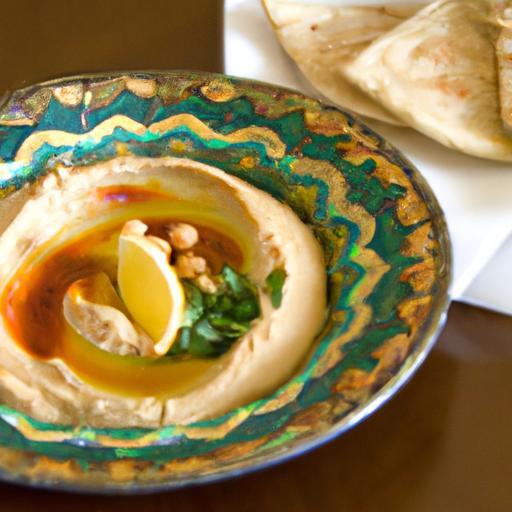
There’s something undeniably captivating about a beautifully arranged hummus platter – a vibrant canvas of creamy, golden spread punctuated by colorful toppings and surrounded by an array of fresh, crunchy accompaniments. More than just a snack, homemade hummus is a party of simple ingredients transformed through tradition and creativity into a dish that’s as nourishing as it is tasty. In this flavorful guide, we’ll dive into the art of crafting the perfect homemade hummus platter, exploring tips for achieving the ideal creamy texture, inventive flavor combinations, and stunning presentation ideas that will elevate your next gathering or quiet night at home. Whether you’re a hummus novice or a seasoned aficionado, prepare to embark on a culinary journey that delights the palate and enchants the eye.
Crafting the perfect homemade hummus platter begins by selecting the finest ingredients, ensuring an irresistibly creamy and authentic dip that captures the essence of Mediterranean tradition. Originating from the Levant region, hummus has been a staple for centuries, celebrated for its simplicity and rich flavor. My journey with hummus started in a bustling local market in Tel Aviv, where fresh tahini and plump chickpeas revealed their true potential in transforming a humble dip into a gourmet experience. With the right balance of texture and bold flavors,your homemade hummus platter will not only delight the palate but also become a centerpiece for any gathering.
Prep and Cook Time
- Readiness: 15 minutes
- Cooking & soaking: 1 hour (including chickpea soaking time)
- Blending & chilling: 10 minutes
- Total time: Approximately 1 hour 25 minutes
yield
Serves 6 as an appetizer or part of a larger mezze spread.
Difficulty Level
Easy to Medium – Perfect for both beginners and seasoned cooks aiming for a vibrant, homemade dip.
Ingredients
- 1 cup dried chickpeas (or 2 cups cooked/canned chickpeas, drained & rinsed)
- 1/3 cup high-quality tahini (sesame seed paste)
- Juice of 1 large lemon (about 3 tablespoons, freshly squeezed)
- 3 cloves garlic, minced (adjust to taste)
- 1 teaspoon kosher salt
- 1/2 teaspoon ground cumin
- 1/4 cup extra virgin olive oil (plus more for drizzling)
- 2 to 4 tablespoons ice-cold water (to achieve smooth creaminess)
- Optional garnish: smoked paprika, chopped fresh parsley, toasted pine nuts, pomegranate seeds, za’atar seasoning
Instructions
- Soak the chickpeas overnight: Rinse them thoroughly and soak in plenty of cold water for 8 to 12 hours.This softens the chickpeas and reduces cooking time. Drain and rinse before cooking.
- Cook the chickpeas: Place soaked chickpeas in a large pot, cover with water by 2 inches, bring to a boil, then simmer gently for 60-90 minutes until tender but not mushy. Skim foam off the surface. Drain, reserving some cooking liquid.
- Blend the tahini and lemon juice: In a food processor, combine the tahini and lemon juice frist. Process for 1 minute until whipped and creamy. This emulsification helps prevent the tahini from separating.
- Add garlic, salt, and cumin: Pulse until evenly incorporated, allowing the flavors to meld.
- Incorporate the cooked chickpeas: Add chickpeas gradually, blending until thick and smooth, stopping to scrape down the sides as needed.
- Adjust texture: Add 2 tablespoons of ice-cold water and the olive oil while blending. Continue adding water a tablespoon at a time until a luxuriously creamy consistency is reached. If the blend is too thick or grainy, a tablespoon or two of reserved cooking water can also work wonders.
- Taste and adjust seasoning: Add more salt, garlic, or lemon juice to your preference.
- Chill before serving: Transfer hummus to a bowl, cover, and refrigerate for at least 30 minutes to harmonize flavors and enhance the texture.
Tips for success
- Use dried chickpeas: While canned chickpeas are convenient, dried ones provide a better texture and flavor when cooked and mashed fresh.
- Blending technique: Blend tahini and lemon juice first to achieve a silky base without graininess.
- Water temperature matters: Using ice-cold water creates a light and creamy texture rather than a dense, heavy paste.
- Garlic intensity: For milder garlic flavor, roast cloves beforehand or reduce the quantity.
- Make ahead: hummus tastes even better the next day and keeps for up to 4 days refrigerated in an airtight container.
- Customization: Incorporate roasted red peppers, sun-dried tomatoes, fresh herbs, or spices like smoked paprika for creative hummus variations.
Serving Suggestions
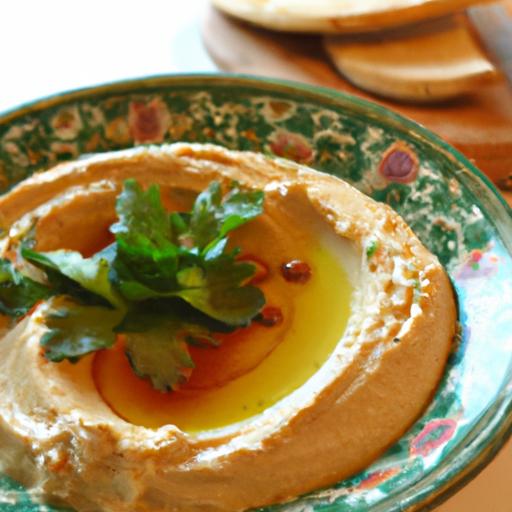
Elevate your homemade hummus platter by surrounding your creamy dip with an array of colorful, fresh accompaniments. Garnish the hummus with a generous swirl of olive oil, a sprinkle of paprika, vibrant pomegranate seeds, and chopped parsley for a feast for the eyes and palate. Toasted pine nuts or dukkah add delightful crunch.
Accompany with warm, fluffy pita bread triangles, crisp vegetable crudités (such as cucumber, carrot sticks, bell peppers), and a sprinkle of za’atar or sumac for an authentic Mediterranean touch. For a modern twist, serve alongside marinated olives, feta cubes, and pickled vegetables to invite guests on a rich flavor journey.
| Nutrient | Per Serving (1/6 of recipe) |
|---|---|
| Calories | 185 kcal |
| Protein | 6 g |
| Carbohydrates | 18 g |
| Fat | 9 g |

For more inspiration on Mediterranean dips and spreads, explore our Mediterranean mezze Recipes. To deepen your understanding of traditional tahini and its role in hummus, check this detailed guide by Serious Eats.
Q&A
Q&A: Crafting the Perfect Homemade Hummus Platter – A Flavorful Guide
Q1: Why make a homemade hummus platter instead of buying pre-made?
A: Homemade hummus offers the freshest flavors, customized textures, and the freedom to experiment with ingredients. when you craft your own platter,you control the quality-from the creamy richness of the hummus to the vibrant array of dippers. Plus, the process itself is a fun, creative kitchen adventure!
Q2: What’s the secret to achieving ultra-smooth, velvety hummus?
A: The magic lies in two key steps: soaking and roasting the chickpeas, and blitzing them long enough with a good quality tahini, olive oil, and a touch of ice-cold water. Using freshly cooked chickpeas or well-rinsed canned beans helps, and don’t be shy with the olive oil-it adds luscious silkiness.
Q3: Which hummus flavors pair best on a platter?
A: Classic garlic-lemon hummus is a crowd-pleaser, while roasted red pepper and smoky chipotle add bold punches. For a fresh twist, try beet hummus with its striking color or avocado-infused hummus for extra creaminess. Offering a trio of flavors delights the eye and the palate.
Q4: What dippers should I include for a balanced and colorful platter?
A: Crunchy veggies like cucumber sticks, bell pepper strips, and carrot batons bring freshness. Add an assortment of warm,fluffy pita wedges or crisp pita chips for heartiness. Olives, roasted nuts, and cherry tomatoes add bursts of flavor and texture, making every bite exciting.
Q5: How can I elevate the presentation of my hummus platter?
A: Don’t just dollop the hummus-use a spoon to create swirls and little wells perfect for drizzling olive oil and sprinkling paprika, za’atar, or toasted pine nuts. Serve on a rustic wooden board or a colorful ceramic dish, garnished with fresh herbs like parsley or cilantro for that irresistible, Instagram-worthy look.
Q6: Any tips for making hummus ahead for entertaining?
A: Absolutely! hummus tastes even better after resting in the fridge for a few hours as flavors meld together beautifully.Prepare your platter components ahead, but hold off on cutting delicate veggies or adding soft herbs until just before serving to retain their crispness and vibrancy.
Q7: can hummus cater to dietary preferences?
A: Hummus is naturally vegan, gluten-free, and packed with protein and fiber-making it a nutritious, inclusive option. To cater to nut allergies, choose tahini with care or experiment with sunflower seed butter as a substitute. It’s a versatile canvas for all dietary palettes.
Q8: What’s one unexpected ingredient that can transform hummus?
A: A splash of good-quality vanilla or a pinch of cinnamon might sound unusual but adds a subtle warm depth that enhances the earthiness of the chickpeas-especially in sweeter-style beet or carrot hummus. It’s a little secret that can make your platter truly unforgettable.
Ready to roll up your sleeves and mix up a hummus platter masterpiece? With these flavorful insights, your homemade creation will be as delicious as it is dazzling!
To Conclude
As you embark on your journey to craft the perfect homemade hummus platter, remember that this delightful Mediterranean staple is as much about creativity as it is about tradition. From the velvety blend of chickpeas and tahini to the vibrant array of accompaniments, each element plays a role in transforming a simple dish into a feast for the senses. whether you prefer a classic garlic infusion or adventurous twists like roasted red pepper or smoky paprika, your platter becomes a canvas for flavor and color. So gather your ingredients, trust your palate, and embrace the joy of sharing a homemade spread that’s as nourishing as it is delicious. With each bite, you’re not just savoring hummus-you’re celebrating a timeless culinary story brought to life by your own hands.