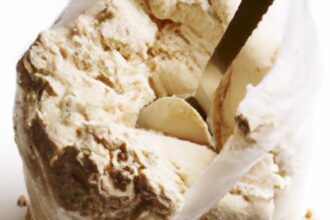



There’s something almost magical about the way a Japanese soufflé cheesecake defies gravity-its airy clouds of batter rising gently,its delicate surface shimmering with a golden hue,promising a melt-in-your-mouth experience like no other.More than just a dessert, this “Fluffy Delight” is a testament to the artistry and precision of Japanese baking, where texture and taste harmonize in perfect balance. In this article, we’ll unravel the secrets behind the ethereal charm of Japanese soufflé cheesecake, exploring its unique techniques, cultural roots, and why this soufflé sensation continues to captivate sweet lovers across the globe. Prepare to embark on a tantalizing journey into the light-as-air world of Japan’s most beloved cheesecake.
Fluffy Delight: The Art of Japanese Soufflé Cheesecake
Fluffy Delight Japanese soufflé cheesecake is cherished worldwide for its ethereal lightness and subtle sweetness, a perfect marriage between traditional Western cheesecakes and delicate Japanese confectionery finesse. Originating from the fusion of French soufflé technique and Japanese culinary subtlety, this cake is a cloud-like masterpiece, boasting a uniquely airy texture that melts effortlessly on your tongue. My first encounter with this soufflé cheesecake was transformative-it changed my perception of what cheesecake could be: soft as a pillow, moist yet tender, and just lightly tangy enough to balance the gentle sweetness. Whether you’re a seasoned baker or a passionate home cook, mastering this dessert opens a gateway to a new realm of texture and flavor.
Prep and Cook Time
- Readiness: 25 minutes
- Baking: 50 minutes
- Cooling Time: 1 hour
Yield
serves 8 delicate slices of fluffy delight.
Difficulty Level
Medium – requires careful whisking and folding technique but very rewarding.
Ingredients
- 7 oz (200g) cream cheese, softened
- 1/4 cup (60ml) whole milk
- 1/4 cup (60g) unsalted butter, softened
- 1/2 cup (60g) cake flour, sifted
- 1 Tbsp cornstarch, sifted
- 6 large eggs, separated
- 1/2 cup (100g) granulated sugar, divided
- 1 tsp lemon juice
- 1/4 tsp cream of tartar
- Powdered sugar for dusting (optional)
Instructions
- Prepare your baking environment by preheating the oven to 320°F (160°C).Line a 7-inch (18cm) round cake pan with parchment paper, ensuring the paper extends above the rim to create space for the soufflé to rise. Set a larger pan for a water bath.
- Gently heat the cream cheese, butter, and milk in a double boiler. Stir continuously until smooth and combined, then remove from heat and let cool slightly.
- Sift the cake flour and cornstarch together, then gradually add them into the cream cheese mixture.Mix gently with a whisk until fully incorporated and smooth.
- whisk the egg yolks into the cheese batter one by one, blending fully before adding the next.
- In a clean, grease-free bowl, whip the egg whites with a handheld or stand mixer at medium speed. When frothy, add lemon juice and cream of tartar. Increase speed to high and gradually add half the sugar, continuing until stiff glossy peaks form.
- Fold one-third of the whipped egg whites into the batter using a large spatula. Use gentle circular motions to avoid deflating the mixture.
- Fold in the remaining egg whites carefully until no streaks remain. A light, airy batter is key for the perfect fluffiness.
- Pour the batter into the prepared pan and gently tap it on the counter to release air bubbles.
- Place the cake pan inside the larger pan and pour hot water into the larger pan until it reaches halfway up the cake pan sides. This water bath ensures even heat distribution for moisture and rise.
- Bake for 50 minutes, covering loosely with aluminum foil if the top browns too quickly.
- Turn off the oven and leave the cake inside 10 minutes to gently finish cooking and prevent collapse.
- Remove the soufflé cake from the water bath and cool completely on a wire rack before un-molding.
- Dust with powdered sugar before serving for a delicate finish.
Tips for Success
- Temperature and texture: Make sure your cream cheese and butter are soft but not melted. This helps create a velvety batter.
- Whipping egg whites: Use room temperature eggs and a clean bowl to achieve maximum volume.
- Water bath magic: Don’t skip the bain-marie-it locks in moisture and promotes gentle heat, essential for the soufflé’s fluffy texture.
- Folding technique: Be gentle and deliberate; overmixing will deflate the batter, resulting in a dense cake.
- make-ahead advice: Store the cooled cake tightly wrapped in plastic wrap and refrigerate up to 3 days. Reheat gently in a warm oven for 5-7 minutes before serving to refresh softness.
- Ingredient swaps: For a lighter tang, substitute half the cream cheese with ricotta cheese.
Serving Suggestions
present your fluffy delight with a dusting of powdered sugar and a few fresh berries, like raspberries or blueberries, to provide a burst of color and a complementary tartness. A small bowl of lightly whipped cream infused with vanilla or a delicate drizzle of honey can elevate the experience. For an elegant touch, accompany with a cup of fragrant green tea or a mild floral white tea, balancing the richness perfectly.

| Nutrient | Per Serving |
|---|---|
| Calories | 210 kcal |
| Protein | 6 g |
| Carbohydrates | 18 g |
| Fat | 12 g |
For more in-depth techniques on Japanese desserts, check our Japanese Castella Cake Recipe. Also, learn about the science behind soufflé textures at Serious eats.
Q&A
Q&A: Fluffy Delight – The Art of Japanese Soufflé Cheesecake
Q1: What exactly is a Japanese soufflé cheesecake?
A1: Imagine a cloud transformed into cake-that’s a Japanese soufflé cheesecake. This delightfully airy dessert blends the creamy richness of classic cheesecake with the lightness of a soufflé, resulting in a melt-in-your-mouth texture that feels like a gentle hug for your taste buds.
Q2: How does it differ from a traditional cheesecake?
A2: Traditional cheesecakes are dense and creamy,often baked in a single layer. japanese soufflé cheesecake, conversely, incorporates whipped egg whites folded into the batter, giving it an ethereal fluffiness and a subtle jiggle. It’s less heavy, with a delicately sweet and slightly tangy flavor that’s never overpowering.
Q3: What’s the secret behind its signature fluffiness?
A3: The magic lies in the meringue-whipped egg whites beaten to stiff peaks and gently folded into the cream cheese mixture. This aeration traps air inside the batter, allowing the cake to rise beautifully like a soufflé. Also, baking it in a water bath helps maintain moisture, preventing cracks and enhancing softness.
Q4: Is it tough to make at home?
A4: It can be a rewarding challenge! precision is key-especially when folding the meringue carefully to preserve the airy texture. Controlling oven temperature and baking time is essential to achieve that perfect balance of rise and jiggle. But with patience and a bit of practice, anyone can master this art.
Q5: Are there any unique ingredients that set it apart?
A5: Besides the usual cream cheese, eggs, sugar, and flour, some recipes incorporate cake flour for tenderness and a touch of lemon juice for brightness.Optional additions like vanilla or a dusting of powdered sugar at the end enhance flavor without overshadowing the cheesecake’s delicate profile.
Q6: How should Japanese soufflé cheesecake be served?
A6: Best enjoyed slightly chilled or at room temperature, it pairs beautifully with fresh berries, a light fruit compote, or a drizzle of honey. Because it’s less sweet than Western-style cheesecakes, its subtle flavors shine alongside mild accompaniments.
Q7: Why has this cheesecake captured hearts worldwide?
A7: In a dessert landscape frequently enough dominated by richness and heaviness, the japanese soufflé cheesecake offers a refreshing option-light, elegant, and almost whimsical. Its delightful texture and understated sweetness invite you to savor each bite slowly, turning dessert into an artful experience.
Q8: Can this cheesecake be customized or flavored differently?
A8: Absolutely! While the classic remains a favorite, creative twists abound: matcha powder for a verdant touch, yuzu for citrusy zing, or even chocolate folded in for richness. The key is maintaining balance so the signature fluffiness isn’t lost in the flavor flourish.
Dive into the world of “Fluffy Delight” and awaken your senses to the delicate mastery behind the Japanese soufflé cheesecake-a slice of sky in every bite!
The Way Forward
As we close the delicate chapter of the Japanese soufflé cheesecake, we’re reminded that this fluffy delight is more than just a dessert-it’s a testament to the art of balance, patience, and precision. Its ethereal texture and subtle sweetness invite us to slow down, savor each bite, and appreciate the craftsmanship behind every cloud-like slice. Whether baked in a humble home kitchen or perfected in a celebrated patisserie, the soufflé cheesecake continues to captivate hearts worldwide, proving that sometimes, the softest creations leave the most lasting impressions. so next time you indulge, remember: you’re tasting a sweet harmony of tradition, technique, and irresistible charm.