

There’s a certain magic that happens when thinly marinated beef ribs hit a blazing grill-teh sizzle, the aroma, the caramelized edges bursting with sweet and savory notes. welcome to the world of Galbi, the iconic Korean grilled ribs that have captured the hearts and palates of food lovers worldwide. More than just a dish, Galbi is a vibrant celebration of tradition, technique, and bold flavors that dance together in perfect harmony. In this article,we’ll delve into the secrets of mastering Galbi-from selecting the ideal cut and crafting the perfect marinade to grilling tips that ensure every bite melts in your mouth. Get ready to savor the flavor and bring the unforgettable taste of Korean barbecue right to your table.
Savor the Flavor: Mastering Galbi Korean Grilled Ribs
savor the flavor of authentic Korean Galbi, a dish that brings the perfect harmony of rich, tender beef and a marinade bursting with sweet and savory notes.Rooted in decades of Korean culinary tradition, Galbi-also known as Korean grilled ribs-has become a cherished favorite worldwide for its irresistible combination of smoky char and melt-in-your-mouth texture. Whether you’re hosting a lively backyard barbecue or craving a special weeknight meal, mastering this recipe will elevate your grilling skills and delight your taste buds.
Prep and Cook Time
- Readiness: 20 minutes (plus 12 hours marinating)
- Cook: 10-15 minutes
- Total: Approximately 12 hours 30 minutes (including marinating)
Yield
Serves 4 hungry meat lovers
Difficulty level
Medium – ideal for home cooks ready to impress with grilling techniques and flavor layering
Ingredients
- 2 lbs beef short ribs, flanken-cut (across the bone), about 1/4 inch thick
- 1 cup soy sauce (light soy for balanced saltiness)
- 1/2 cup brown sugar, packed
- 1/4 cup Asian pear puree (or grated pear for sweetness and tenderizing)
- 1/4 cup finely minced garlic (about 5 cloves)
- 2 tbsp toasted sesame oil (for rich nuttiness)
- 2 tbsp rice wine (mirin or sake for subtle acidity)
- 1 tbsp freshly ground black pepper
- 2 green onions, finely chopped
- 1 tbsp sesame seeds for garnish
Instructions
- Prepare the marinade: In a large bowl, whisk together soy sauce, brown sugar, asian pear puree, minced garlic, toasted sesame oil, rice wine, and black pepper until sugar dissolves.
- Marinate the ribs: Place the beef short ribs in a single layer inside a large resealable plastic bag or shallow dish. Pour the marinade over the ribs, ensuring each piece is well coated. Seal and refrigerate for at least 12 hours-overnight yields optimal tenderness and flavor infusion.
- Preheat the grill: Heat your grill to medium-high (about 400°F/200°C). Clean and oil the grates to prevent sticking.
- Grill with care: Remove ribs from marinade, letting excess drip off. Arrange ribs on the grill perpendicular to the grates to minimize flare-ups. grill each side for 4-6 minutes, or until a stunning caramelized char forms but the meat stays juicy. Flip only once to avoid drying out.
- Rest and garnish: Transfer ribs to a serving platter. Let rest for 5 minutes off the heat. Sprinkle generously with chopped green onions and toasted sesame seeds for that irresistible finishing touch.
Chef’s Notes: Tips for Success
- Cut selection: Flanken-cut short ribs are essential for an authentic Galbi texture. Ask your butcher for ribs sliced thinly across the bone for quick grilling and maximum juiciness.
- marinating magic: The Asian pear or apple not only sweetens but tenderizes the beef. If unavailable, pineapple can be used but marinate less than 12 hours to prevent over-tenderizing.
- Balancing flavors: Feel free to adjust sugar and soy sauce levels to suit your palate-go sweeter or saltier as you prefer.
- Grill tip: Using a grill basket helps prevent the ribs from falling apart. To enhance smokiness, add soaked wood chips to your charcoal or smoker box.
- Advance prep: This dish is fantastic when prepped a day ahead-the longer marinade time unlocks deeper flavors.
Serving Suggestions and Pairings
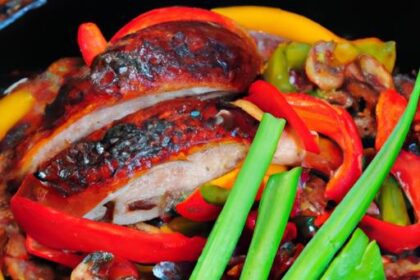
For a truly elevated Galbi experience, pair thes Korean grilled ribs with freshly steamed short-grain rice, crisp kimchi, and a vibrant lettuce wrap station filled with sliced garlic, fresh chili, and ssamjang (spicy soybean paste). Visualize the ribs’ sticky glaze glistening under a sprinkle of sesame seeds alongside bright green leaves ready to cradle each savory bite.A chilled glass of Korean rice wine makgeolli or a light lager rounds out the meal perfectly.

| Nutrition per Serving | Amount |
|---|---|
| Calories | 380 kcal |
| Protein | 32 g |
| Carbohydrates | 14 g |
| Fat | 22 g |
Ready to explore more Korean delicacies? Check out our Authentic Bibimbap Recipe to complement your Galbi feast!
Q&A
Q&A: Savor the Flavor – Mastering Galbi Korean Grilled Ribs
Q1: What exactly is Galbi, and why is it so beloved in Korean cuisine?
A1: Galbi, also known as Korean grilled ribs, is a culinary masterpiece featuring tender, marinated beef short ribs grilled to smoky perfection. Its beloved status comes from the harmonious dance of sweet, savory, and umami flavors in the marinade, combined with the communal joy of grilling and sharing at the table. Each bite tells a story of Korea’s rich heritage and culinary artistry.Q2: What makes Galbi different from other types of Korean barbeque ribs?
A2: Unlike thicker cuts of meat used in some Korean BBQ styles, Galbi ribs are typically sliced across the bone into thin, flanken-style pieces. This creates a perfect balance of tender meat and flavorful char, allowing the marinade to deeply penetrate and caramelize beautifully on the grill. The method encourages quick cooking and a delightful interplay of textures and flavors.Q3: What are the essential ingredients in a classic Galbi marinade?
A3: A classic Galbi marinade is a savory symphony of soy sauce, sugar (or honey), garlic, sesame oil, and Asian pear or apple for natural sweetness and tenderizing properties. Some chefs add hints of ginger, green onions, and rice wine to elevate the depth and complexity. The key is balancing sweet and salty to coax out the ribs’ rich, meaty goodness.
Q4: How long should one marinate Galbi to achieve the best flavor?
A4: Patience rewards the palate! Ideally, marinate your Galbi for at least 4 to 6 hours, or even overnight. This allows the meat fibers to soak up the marinade’s magic, enhancing tenderness and flavor. However, if time is tight, even 30 minutes of marination will impart noticeable taste, though longer soaking is recommended for that melt-in-your-mouth experience.
Q5: What grill technique is best for cooking the perfect galbi?
A5: Galbi thrives on high heat and quick grilling. Use a charcoal or gas grill preheated to medium-high to high heat for that smoky char and caramelization. Place ribs directly over the flames and grill each side for 3 to 4 minutes, flipping once or twice for even cooking. Avoid overcooking to keep the ribs juicy and tender-remember,thin cuts cook fast!
Q6: Can galbi be made at home without a Korean grill or special equipment?
A6: absolutely! While traditional cooking over a Korean BBQ grill is ideal,a regular backyard grill,stovetop grill pan,or even a broiler can produce delicious results. The secret lies in high heat and attentive flipping to mimic that signature smoky, caramelized crust. For an indoor twist, a cast-iron skillet will also do wonders.
Q7: What side dishes traditionally complement Galbi?
A7: Galbi shines brightest when paired with Korean staples like kimchi, steamed rice, pickled vegetables, fresh lettuce leaves for wrapping (ssam), and a variety of banchan-small flavorful side dishes. The freshness and spice from these sides cut through the richness of the ribs, creating balanced and vibrant flavor contrasts.
Q8: Any tips for plating and serving Galbi to impress guests?
A8: Presentation is part of the feast! Slice the ribs against the grain into bite-sized pieces and arrange them on a rustic wooden platter or stone plate to evoke an authentic feel. Garnish with toasted sesame seeds and chopped scallions for color and texture.Serve alongside colorful banchan in small dishes, and provide plenty of lettuce leaves and ssamjang (spicy dipping sauce) for customizable wraps.
Q9: Can Galbi be adapted for different dietary preferences, like keto or gluten-free?
A9: Certainly! For a keto-amiable version, simply omit sugar and use a low-carb sweetener like erythritol or monk fruit. for gluten-free, substitute traditional soy sauce with tamari or coconut aminos to keep the marinade flavorful without gluten. these tweaks retain the essence of Galbi while fitting various dietary needs.
Q10: What’s the best way to enjoy leftover Galbi?
A10: Don’t let those succulent ribs go to waste! Leftover Galbi is fantastic in fried rice, wrapped in lettuce as quick ssam, or chopped into savory pancakes (jeon). You can also simmer it in a spicy stew with vegetables for a comforting Korean jjigae that transforms your leftovers into a whole new flavor adventure.
Mastering Galbi is a delicious journey-one where patience, quality ingredients, and a fiery grill come together to create an unforgettable Korean BBQ experience. Ready to savor the flavor? Your ribs await!
Final Thoughts
as the smoky aroma of perfectly grilled galbi lingers in the air, you begin to understand that this dish is much more than just ribs-it’s a celebration of heritage, technique, and bold flavors. Mastering galbi invites you to embrace patience, precision, and a spirit of culinary adventure. Whether you’re gathering around the grill with friends or savoring a quiet meal at home, each bite carries the legacy of Korean tradition fused with your own flair. So ignite your grill, marinate with care, and let the rich, sweet-savory symphony of galbi transform your cooking into an unforgettable experience. The journey to mastering Korean grilled ribs is as rewarding as the first delicious taste-so go ahead, savor every moment.