

in the world of athletics, every muscle fiber craves nourishment, every cell demands fuel, and every performance hinges on one vital element: protein.While animal-based sources have long been celebrated for muscle repair and growth,the tide is turning as plant-powered athletes reap the benefits of vibrant,nutrient-dense meals bursting with protein-packed greens,legumes,nuts,and seeds. Welcome to the era of power-packed plants-where high-protein vegetarian meals are not just an option but a dynamic force driving strength, endurance, and recovery. Whether you’re a seasoned athlete or an aspiring fitness enthusiast,embracing the richness of plant proteins can elevate your game,energize your body,and redefine what it means to eat for performance. Let’s dive into the delicious world of vegetarian muscle fuel, where the garden becomes your personal protein powerhouse.
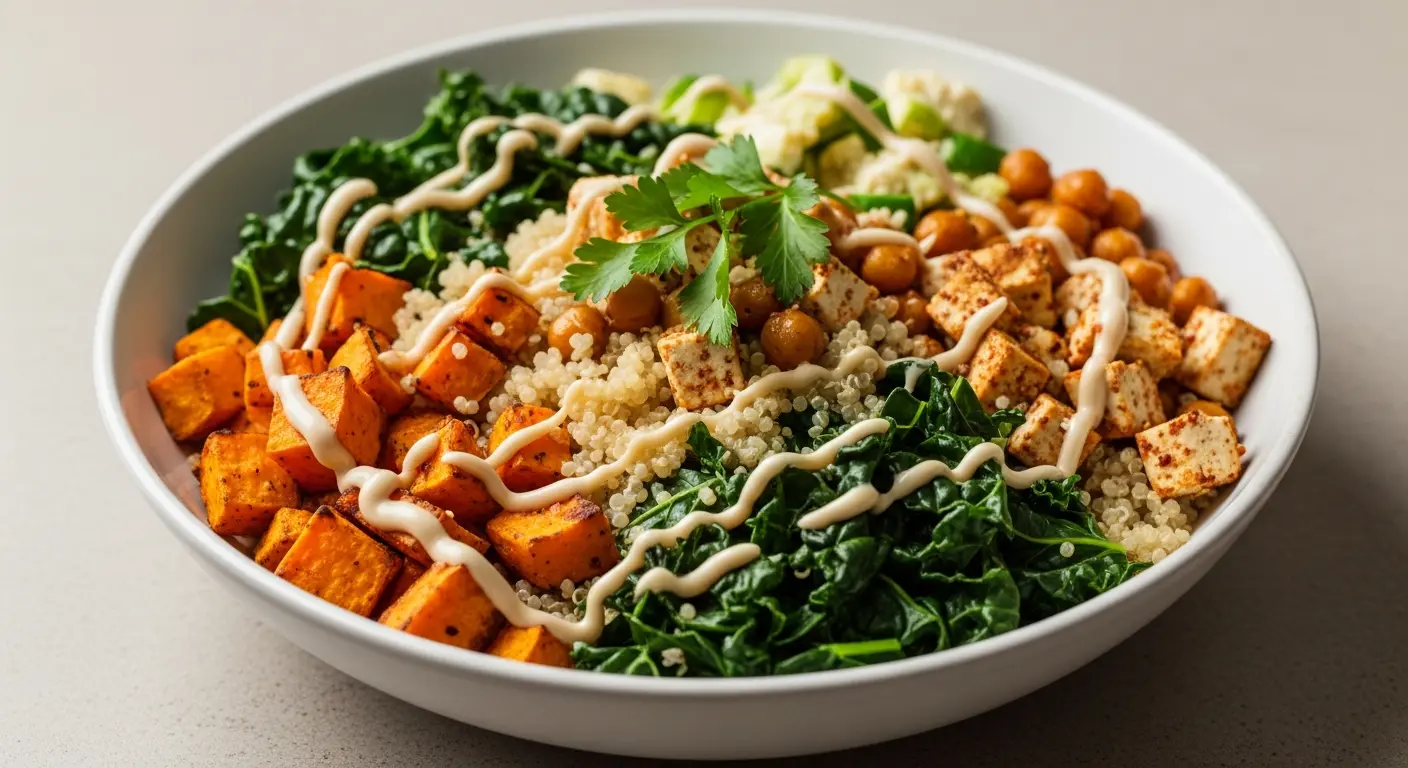
Power-packed plants unlock a vibrant world of high-protein vegetarian meals crafted for athletes seeking optimal performance and recovery. When I first embraced a plant-based lifestyle, I discovered the immense potential of legumes, grains, and nuts not only to fuel my workouts but also to delight my palate. Blending these nutrient-dense powerhouses creates dishes that balance macronutrients perfectly, offering sustained energy and robust muscle repair. This recipe embodies that ideology-inviting you to savor every bite while empowering your active lifestyle.
Prep and Cook Time
Prep: 15 minutes | Cook: 25 minutes | Total: 40 minutes
Yield
4 hearty servings
Difficulty Level
Medium – Ideal for home cooks looking to elevate their plant-based protein game
Ingredients
- 1 cup quinoa, rinsed
- 1 ½ cups vegetable broth
- 1 cup cooked chickpeas (or canned, drained and rinsed)
- 1 cup diced sweet potatoes
- 1 cup chopped kale, stems removed
- ½ cup crumbled firm tofu
- 2 tbsp tahini
- 2 cloves garlic, minced
- 1 tbsp olive oil
- 1 tsp smoked paprika
- ½ tsp ground cumin
- Salt and freshly ground black pepper, to taste
- ¼ cup chopped fresh parsley, for garnish
- 1 tbsp fresh lemon juice
Instructions
- Toast the quinoa: In a medium saucepan, heat 1 tsp olive oil over medium heat. Add the rinsed quinoa and sauté for 2-3 minutes until fragrant and slightly toasted. This step enhances its nutty flavor.
- Cook the quinoa: Pour in the vegetable broth, bring to a boil, then reduce to a simmer and cover. Cook for 15 minutes or until the liquid is absorbed. Remove from heat and fluff with a fork.
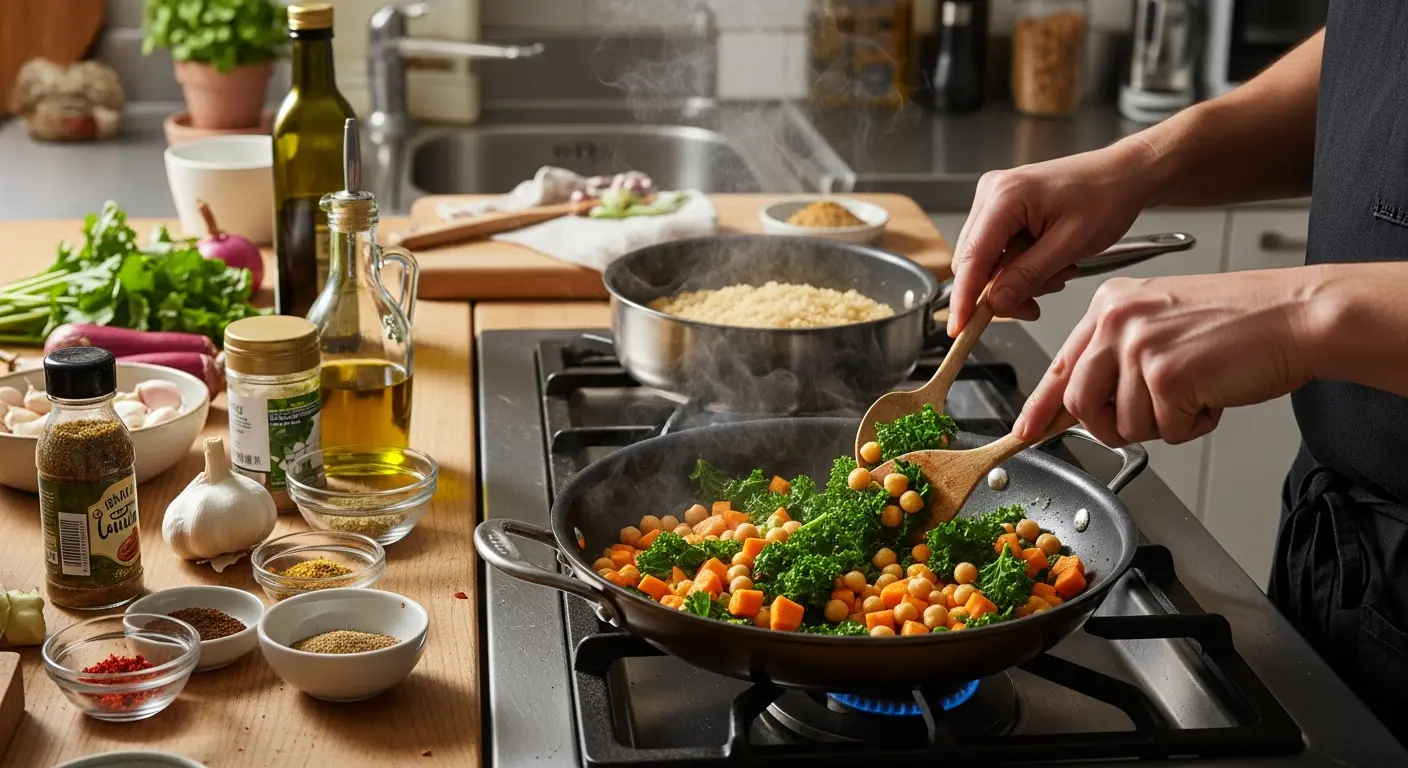
- Prepare the sweet potatoes: While quinoa cooks, heat the remaining olive oil in a large skillet over medium heat. Add diced sweet potatoes,season with a pinch of salt,smoked paprika,and cumin. Sauté until tender and golden, about 8-10 minutes, stirring occasionally to avoid sticking.
- Add the garlic and kale: Stir minced garlic into the sweet potatoes,cooking for 1 minute until aromatic. Add chopped kale, tossing until wilted and vibrant green, about 3 minutes.
- combine the chickpeas and tofu: Gently fold chickpeas and crumbled tofu into the skillet. Sauté for another 3 minutes, allowing flavors to meld and proteins to warm through.
- Mix the tahini dressing: in a small bowl, whisk tahini with lemon juice, a pinch of salt, and 2 tbsp warm water until smooth and pourable. Adjust water to preferred consistency.
- Assemble the bowl: Divide the fluffy quinoa into bowls. Spoon the sweet potato, kale, chickpea, and tofu mixture over the quinoa. Drizzle generously with tahini dressing and sprinkle fresh parsley on top.
- Final touch: Serve instantly for the best texture and freshness. Optionally, add a lemon wedge for an extra burst of brightness.
Tips for Success
- Swap kale for spinach or Swiss chard for a milder flavor while maintaining nutrient density.
- Cook quinoa ahead of time and refrigerate to save prep time on busy days-reheat gently before serving.
- To boost omega-3 intake, sprinkle toasted chia or hemp seeds over the finished bowl.
- If tofu isn’t your favorite, sub in tempeh cubes or roasted edamame for comparable protein content and texture.
- For an added spice kick, stir in a pinch of cayenne or a drizzle of hot sauce.
Serving Suggestions
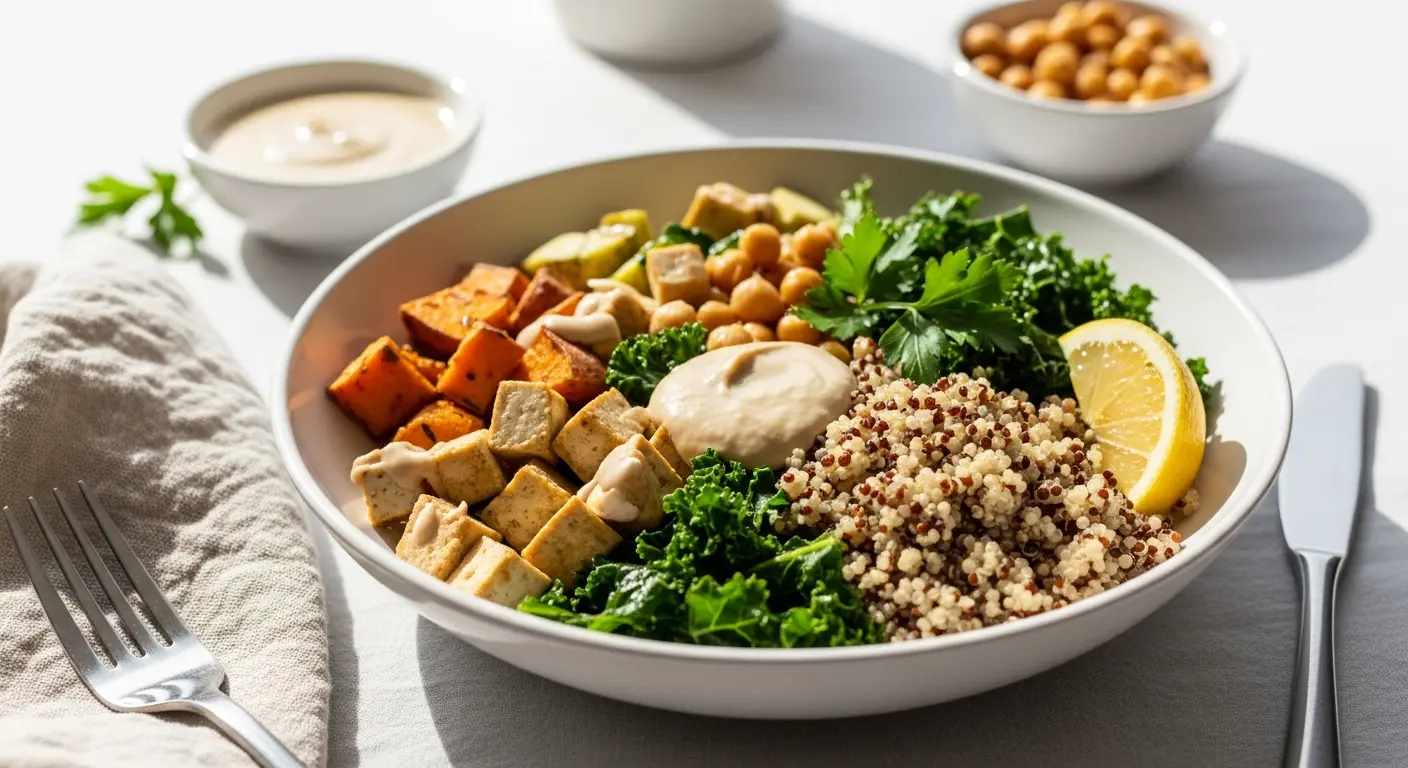
This vibrant bowl pairs beautifully with a crisp cucumber and tomato salad dressed in lemon vinaigrette, accentuating freshness against the earthy base. Garnishing with microgreens or edible flowers transforms it into a visual masterpiece. Accompany the meal with a chilled glass of coconut water or your favorite plant-based protein shake to keep hydration and recovery on point.
| Nutrient | per Serving |
|---|---|
| Calories | 410 kcal |
| Protein | 22 g |
| Carbohydrates | 55 g |
| Fat | 11 g |

Discover more inspiring plant-powered recipes for athletes on our Ultimate Plant-Based Nutrition page. For deeper insights into plant protein quality and performance benefits, check out this NCBI study.
Q&A
Q&A: Power-Packed plants – High-Protein Vegetarian Meals for Athletes
Q1: Why should athletes consider plant-based proteins in their diet?
A: Plant-based proteins aren’t just for vegetarians-they’re a powerhouse of nutrients that support muscle repair, boost energy, and promote recovery. Unlike animal proteins, manny plants come packed with fiber, antioxidants, and essential vitamins that help reduce inflammation and keep your body in peak condition.Plus, they’re environmentally friendly, making your gains guilt-free!
Q2: Which plant-based proteins are the most effective for muscle building?
A: Think beyond beans! Lentils, chickpeas, quinoa, tofu, tempeh, and seitan are all stellar sources. Quinoa is a rare complete protein containing all nine essential amino acids, making it a favorite for muscle growth. Combining various plant proteins throughout the day, like rice and beans, also ensures your body gets the full spectrum of amino acids it needs.
Q3: How can athletes ensure they’re getting enough protein on a vegetarian diet?
A: The key is variety and portion control. Incorporate a rainbow of protein-rich plants daily, including legumes, nuts, seeds, whole grains, and soy products. Snack smart with hummus and veggie sticks or nut butter on whole grain toast. Tracking your intake with apps can also help hit those protein targets without stress.
Q4: What’s a rapid, delicious high-protein meal for athletes on the go?
A: Try a vibrant quinoa and black bean salad tossed with roasted sweet potatoes, spinach, and a zesty lime dressing. It’s a flavor-packed, protein-rich dish that fuels your muscles and tastes like victory! Plus, it’s easily prepped ahead for busy training days.
Q5: are there any common pitfalls athletes should avoid with plant-based proteins?
A: Over-relying on processed vegetarian substitutes without balancing whole foods can limit nutrient diversity. Also,ignoring micronutrients like iron,zinc,and B12-which are crucial for athletes-can lead to fatigue. Pair iron-rich plants like spinach or lentils with vitamin C-rich foods to boost absorption, and consider supplementation after consulting a healthcare professional.
Q6: Can plant-based proteins aid in recovery as well as muscle growth?
A: Absolutely! Many plant foods come loaded with antioxidants and anti-inflammatory compounds that speed up recovery and reduce muscle soreness. For example, tart cherry juice, flaxseeds, and turmeric can be powerful additions post-workout to calm inflammation and replenish energy stores.
Q7: How does the environmental impact of plant-based athletic diets compare to animal-based ones?
A: Choosing power-packed plants not only fuels your body but also helps conserve water, reduce greenhouse gases, and protect biodiversity. Every plant-based meal is a win for your muscles-and the planet-making it a smart choice all around.
Q8: Where should beginners start when transitioning to a high-protein vegetarian athletic diet?
A: Begin by swapping one meal a day for a high-protein plant option and gradually explore new ingredients like tempeh or chia seeds. Experiment with recipes, keep meals colorful, and listen to your body’s energy levels. The journey is as powerful as the destination.
To Wrap It Up
As the saying goes, strength doesn’t just come from lifting weights-it’s also cultivated in the kitchen. Embracing power-packed plants not only fuels your muscles but also nurtures your body with essential nutrients that go hand-in-hand with peak performance. Whether you’re pounding the pavement or hitting the gym, these high-protein vegetarian meals prove that plant-based doesn’t mean protein-poor. So next time you plan your training fuel, remember: nature’s own pantry is bursting with muscle-building magic, ready to elevate your athletic journey one hearty, wholesome bite at a time.