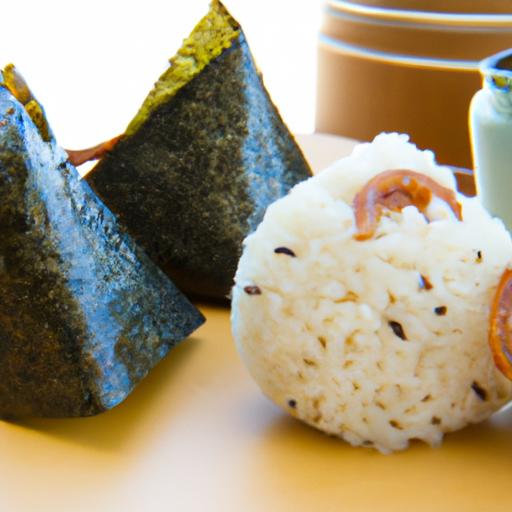



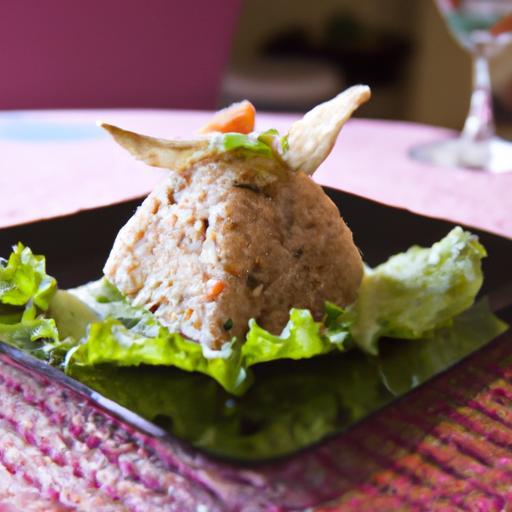
Within the humble triangle of onigiri lies a world of flavors waiting to be discovered. More than just a convenient rice snack, onigiri is a beloved Japanese staple that carries stories, traditions, adn a burst of taste in every bite.From classic salted plum to inventive modern twists, the fillings tucked inside these portable rice triangles reveal a rich tapestry of culinary creativity.Join us as we unwrap the secrets behind the tastiest onigiri fillings, exploring the savory, sweet, and surprising ingredients that transform simple rice into a delicious experience.
Inside the Triangle: Exploring Tasty Onigiri Fillings Revealed introduces a delicious journey into Japan’s beloved rice ball, where simplicity meets artistry. From humble street snacks to family lunchboxes, onigiri carries stories of tradition, regional pride, and inventive culinary spirit. Each filling inside the triangle is a carefully crafted flavor expression that whispers history while igniting your palate with delightful surprises.
Prep and Cook Time
- Readiness: 20 minutes
- Cooking: 25 minutes
- Total Time: 45 minutes
Yield
Makes approximately 8 onigiri (rice balls)
Difficulty Level
easy to Medium – depending on filling complexity and shaping practice
Ingredients
- 2 cups Japanese short-grain rice, rinsed and drained
- 2 1/4 cups water for cooking rice
- Salt, for seasoning and shaping
- 4 sheets of nori (seaweed), cut into 4 rectangles
- Classic fillings:
- 1/2 cup pickled plum (umeboshi), pitted and chopped
- 1/2 cup simmered salmon flakes (lightly salted)
- 1/4 cup salted cod roe (mentaiko), drained
- Regional Twists:
- 1/2 cup chopped kombu seaweed simmered in soy sauce and mirin
- 1/2 cup spicy takana pickles (mustard leaf), chopped finely
- Creative Fillings:
- 1/4 cup cream cheese
- 1/4 cup spicy tuna tartare (fresh sushi-grade tuna mixed with sriracha and mayo)
- 1/4 cup grilled teriyaki chicken, chopped
Instructions
- Cook the Rice: Combine rinsed rice and water in a rice cooker or pot; cook according to package instructions until tender. Let it rest covered for 10 minutes.
- Prepare Fillings: while rice cooks, prepare your selected fillings.For salmon flakes, gently flake cooked salmon with a fork. For kombu,simmer seaweed in a mix of soy sauce and mirin until soft.
- Season the Rice: Transfer rice to a large bowl and season lightly with salt. Use a rice paddle or wooden spoon to gently fold the rice without smashing the grains.
- shape the Onigiri: Moisten hands with water and sprinkle salt on your palms. Scoop about 1/2 cup of rice and create a small indentation in the center. Place 1-2 tablespoons of your chosen filling inside.
- Form Triangles: Fold the rice around the filling, pressing gently but firmly into a compact triangle shape. Avoid over-compressing to keep a tender bite.
- Add Nori: Wrap a strip of nori around the base or side of each onigiri for easy handling and subtle umami flavor.
- Serve: Arrange on a plate or pack into bento boxes. Serve immediately or wrap tightly with plastic wrap to keep them moist.
Chef’s Notes
- For authentic texture, use Japanese short-grain rice as basmati or jasmine will not yield the stickiness needed for forming.
- If you’re new to shaping onigiri, practice with less filling; it takes finesse to encase rice and filling evenly.
- Make ahead for up to 4 hours at room temperature,or refrigerate tightly wrapped and consume within 24 hours-reheat slightly before serving.
- Try mixing toasted sesame seeds into the rice for added depth and crunch.
- Substitute fillings to accommodate dietary needs: cooked shredded chicken or sautéed mushrooms work wonderfully.
Serving Suggestions
Present your onigiri on a simple ceramic plate or bamboo leaf for a rustic touch. Garnish with pickled ginger, shiso leaves, or a sprinkle of furikake seasoning. Pair with a light miso soup or chilled green tea to cleanse the palate and enhance the rice’s delicate flavors. For a modern twist, accompany them with wasabi mayo or soy-sesame dipping sauce.
| Nutrient | Per Onigiri (Approx.) |
|---|---|
| Calories | 190 kcal |
| Protein | 6 g |
| Carbohydrates | 38 g |
| Fat | 1.5 g |

For more inspiration, explore our collection of Japanese rice dishes. Discover detailed histories and variations that enrich your culinary journey. Interested in the cultural background of onigiri? Check out this complete guide at Japan Guide.
Q&A
Q&A: inside the Triangle – Exploring Tasty Onigiri Fillings revealed
Q1: What exactly is onigiri, and why is it shaped like a triangle?
Onigiri, ofen called Japanese rice balls, are a beloved snack or meal staple in Japan. The iconic triangular shape isn’t just for aesthetics-it makes the onigiri easy to hold and eat, with a perfect balance of rice and filling in every bite. The shape also echoes traditional forms used for portability and storage, making onigiri a convenient on-the-go treat.
Q2: What kinds of fillings are traditionally used in onigiri?
Classic fillings are simple yet packed with umami. Popular choices include salted salmon (shake), tart pickled plum (umeboshi), and savory kombu seaweed. These fillings have been loved for generations, offering a perfect salty, sour, or rich burst inside the soft rice.
Q3: Have modern chefs broadened the variety of onigiri fillings?
Absolutely! Contemporary cooks and foodies have embraced creativity, introducing fillings like spicy tuna, teriyaki chicken, and even mashed avocado with sesame seeds.Fusion influences have made onigiri a playground where traditional tastes meet bold, worldly flavors.
Q4: How does the filling affect the overall onigiri experience?
The filling is the heart of onigiri-it transforms simple seasoned rice into a flavor adventure. A well-chosen filling provides contrast: a tangy umeboshi might brighten the palate, while rich grilled eel or creamy egg salad gives a luxurious depth. The filling’s intensity and texture shape each bite’s rhythm and satisfaction.
Q5: Are there vegetarian or vegan-kind onigiri fillings?
Definitely! Vegetarian options often highlight pickled vegetables, kombu seaweed, or seasoned mushrooms. Vegan variations might include shiso leaf with sesame, sweet miso paste, or even pumpkin and chestnut blends. These fillings celebrate plant-based umami while maintaining that satisfying onigiri essence.Q6: How can home cooks experiment with their own onigiri fillings?
Start by exploring simple, bold flavors you enjoy-think tangy pickles, savory grilled proteins, or creamy spreads. Balance is key: too much moisture can make the rice soggy, so try ingredients that hold shape well. Don’t be afraid to toast or marinate fillings to intensify flavor, and use seaweed wraps to add an extra layer of texture and taste.
Q7: Why has onigiri remained so popular across centuries?
Its enduring appeal lies in its perfect harmony of simplicity, portability, and customization. Onigiri is a humble rice container for an endless range of fillings, catering to comfort food cravings, quick meals, and culinary creativity alike. Whether handmade at home or grabbed from a convenience store, each triangular delight carries a piece of Japanese culture-and ultimately, great taste.
The Way Forward
As we close the chapter on our flavorful journey inside the humble triangle, it’s clear that onigiri is far more than just a convenient snack-it’s a canvas for culinary creativity, cultural stories, and comforting tastes. From classic umeboshi to inventive modern twists, each filling offers a unique glimpse into Japan’s rich food heritage and evolving palate. So next time you unwrap that neat triangle of rice, take a moment to savor not just the taste, but the tradition and innovation folded inside. After all, with onigiri, every bite tells a story waiting to be discovered.