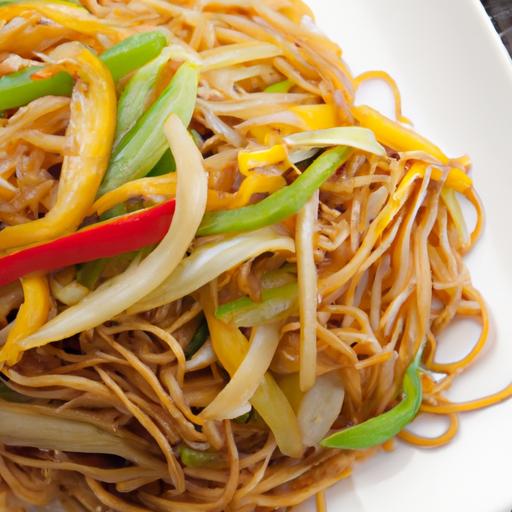

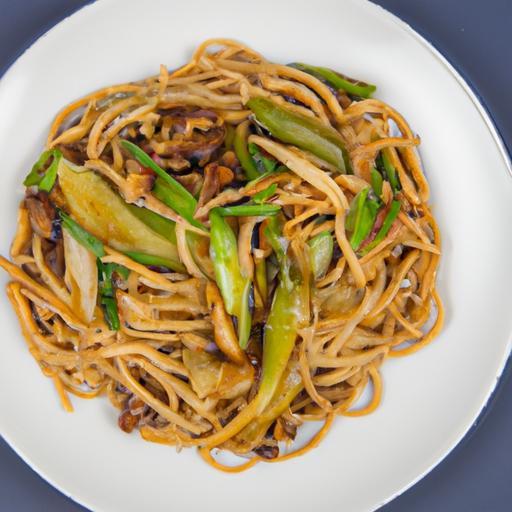
In teh swirling steam of a bustling kitchen, where ancient recipes meet modern cravings, lo mein noodles emerge as more than just a dish-they are a vibrant tapestry of culture, technique, and taste. Twisting tradition through the artful tossing of each strand, lo mein has long captivated palates with its harmonious blend of chewy noodles, savory sauces, and colorful ingredients. But beyond the comforting bite lies a captivating story of culinary evolution,regional twists,and the delicate balance between simplicity and complexity. join us as we unravel the rich heritage and irresistible flavor of lo mein noodles, exploring how this humble staple continues to twist tradition in every delicious forkful.
twisting Tradition: The Art and Flavor of Lo Mein Noodles offers a culinary journey that bridges rich history and modern innovation. This beloved Chinese noodle dish, known for its supple strands and vibrant medley of textures and tastes, has evolved far beyond its humble origins. As you embark on recreating this classic at home, you’ll discover how mastering the perfect noodle texture unlocks the soul of lo mein, while a balanced harmony of sauce, spice, and fresh ingredients elevates every forkful into a party of flavor.
Prep and Cook Time
- Planning: 15 minutes
- Cooking: 12 minutes
- Total Time: 27 minutes
Yield
Serves 4 generous portions
Difficulty Level
Medium – approachable for home cooks ready to elevate their technique
Ingredients
- 8 oz fresh lo mein noodles (or dried, cooked and drained)
- 2 tablespoons vegetable oil
- 2 cloves garlic, finely minced
- 1 tablespoon fresh ginger, grated
- 1 cup shiitake mushrooms, sliced
- 1 cup snap peas, trimmed
- 1 medium carrot, julienned
- 1 bell pepper, thinly sliced (red or yellow for color)
- 4 green onions, thinly chopped (separate white and green parts)
- 5 oz cooked chicken breast or tofu, sliced thinly (optional)
- 3 tablespoons soy sauce (low sodium preferred)
- 2 tablespoons oyster sauce (substitute with hoisin for vegetarian option)
- 1 teaspoon toasted sesame oil
- 1 teaspoon chili garlic sauce (adjust to taste)
- 1 tablespoon Shaoxing wine (or dry sherry)
- ½ teaspoon sugar
- Fresh cilantro or sesame seeds for garnish
Instructions
- Prepare the noodles: If using dried noodles, boil according to package instructions until just tender. For fresh, briefly blanch in boiling water for 1-2 minutes. Drain and toss with a teaspoon of oil to prevent sticking. Set aside.
- Make the sauce: In a small bowl, whisk together soy sauce, oyster sauce, sesame oil, chili garlic sauce, Shaoxing wine, and sugar. Keep close at hand.
- Heat the wok or large skillet: Add vegetable oil over medium-high heat. Swirl to coat evenly.
- Sauté aromatics: add minced garlic and grated ginger. Stir continuously for about 30 seconds until fragrant but not browned.
- Add vegetables: Toss in shiitake mushrooms, snap peas, carrot, and bell pepper. Stir-fry for 3-4 minutes, maintaining vibrant color and slight crunch.
- Incorporate protein: If using, add sliced chicken or tofu. Cook for 2-3 minutes until warmed through and slightly browned.
- Add noodles: Push vegetables and protein to the side of the wok. Add noodles and pour in the prepared sauce. Toss gently but thoroughly, coating each noodle strand evenly.
- Final toss: Stir in white parts of green onions. Cook for an additional 2 minutes to allow flavors to meld and noodles to absorb the sauce.
- Plate and garnish: Transfer to serving plates. Sprinkle with green parts of green onions, fresh cilantro, or sesame seeds for an inviting finish.
Tips for success: Mastering the Perfect Noodle Texture and Flavor Balance
- Avoid overcooking noodles. They should be tender but resilient (“al dente”), offering a satisfying bite that contrasts with crunchy vegetables.
- Use a hot wok or skillet. high heat is key to achieving the characteristic wok hei-the ‘breath of the wok’ that imparts smoky, tantalizing depth.
- Customize your spice level. Adjust chili garlic sauce gradually; authentic lo mein shines by balancing heat and savoriness, never overpowering freshness.
- Make-ahead tip: Prepare noodles and sauce separately. Refrigerate noodles tossed lightly in oil; stir-fry fresh just before serving for optimal texture.
- Vegetarian twists: Swap oyster sauce with mushroom-based vegetarian versions or hoisin; replace chicken with marinated tempeh or seitan.
Serving suggestions
To elevate your lo mein experience, serve with light pickled vegetables on the side or a crisp Asian cucumber salad. Pair the plate with jasmine rice for a fuller meal, or keep it light with steamed dumplings.Presentation is key-offer scattering of toasted sesame seeds and finely sliced scallions, adding bursts of color and texture that invite the senses.

| Nutrient | Amount per Serving |
|---|---|
| Calories | 380 kcal |
| Protein | 18 g |
| Carbohydrates | 50 g |
| Fat | 9 g |
For further inspiration on Chinese noodle dishes and mastering your stir-fry techniques, explore our detailed guide on Chinese noodle recipes. To deepen your understanding of conventional Chinese culinary arts, visit Serious Eats’ history of lo mein.
Q&A
Q&A: Twisting Tradition – The Art and Flavor of Lo Mein Noodles
Q1: What exactly is Lo Mein, and how did it earn its place in Chinese cuisine?
A: Lo Mein, translating to “tossed noodles,” is a beloved dish originating from northern China. It features soft, boiled egg noodles gently mixed with a savory sauce and a colorful array of vegetables, meats, or tofu. Historically, Lo Mein emerged as a comforting street food, embodying simplicity and bold flavors, and its adaptability helped it transcend regional boundaries to become a global favorite.
Q2: How does Lo Mein differ from other popular Chinese noodle dishes like Chow mein or Dan Dan Noodles?
A: The key distinction lies in preparation and texture. Lo Mein noodles are boiled until tender and then tossed with sauce and ingredients, resulting in a softer, more delicate bite. Chow Mein, by contrast, often involves stir-frying noodles until crispy, lending a contrasting crunch. Dan Dan Noodles hail from Sichuan cuisine, known for their spicy, numbing sauce featuring chili oil and Sichuan peppercorns, offering a distinctly bold flavor profile unlike the milder, savory Lo Mein.
Q3: What makes the “twist” in Lo Mein’s tradition unique in modern culinary contexts?
A: The “twist” refers both to the physical action of tossing the noodles and the creative spins chefs are putting on this classic dish. Today’s culinary innovators play with unexpected ingredients-think caramelized pineapple,smoked mushrooms,or exotic spices-that honor Lo Mein’s heritage while elevating its flavor complexity. This melding of old and new techniques captures the heart of culinary evolution: preserving tradition while embracing innovation.
Q4: Can you describe the essential elements that create the perfect Lo Mein flavor?
A: The magic of Lo Mein lies in balance. A harmonious blend of soy sauce provides umami depth; sesame oil adds a nutty aroma; a touch of oyster sauce or hoisin enriches the sweetness; and fresh aromatics like garlic and ginger inject vibrant warmth. The noodles themselves should be springy yet tender,perfectly coated without being soggy. Complemented by crisp vegetables and succulent proteins,each bite is a layered celebration of texture and taste.
Q5: How has Lo Mein adapted as it traveled beyond China’s borders?
A: As lo Mein journeyed through cultures, it embraced local ingredients and tastes, becoming a chameleon of the culinary world.In the united States, for example, it often features hearty beef strips or chicken with bell peppers and carrots, tailor-made for American palates. Elsewhere,vegan and gluten-free versions showcase the dish’s versatility,ensuring Lo Mein remains accessible and relevant while retaining its soulful essence.
Q6: What advice would you give home cooks wanting to master Lo Mein?
A: Start with good-quality fresh or frozen egg noodles and don’t overcook them-al dente is ideal. Prepare your sauce ahead so flavors meld seamlessly. When tossing noodles with sauce and extras, do so gently but thoroughly to coat each strand without breaking. Lastly, embrace the rhythm of freshness: crisp vegetables, tender proteins, and vibrant aromatics will elevate your Lo Mein from simple to spectacular.
Q7: Why does Lo Mein continue to captivate food lovers around the world?
A: Lo Mein’s enduring appeal lies in its perfect marriage of comfort and versatility. It’s approachable yet satisfying, a dish that tells a story with every bite-from its humble roots to its modern-day reinventions. Whether enjoyed in a bustling Chinatown eatery or whipped up in a home kitchen, Lo Mein remains a delicious symbol of cultural connection and culinary creativity.
Key Takeaways
As the last strands of lo mein twirl effortlessly around your chopsticks, it’s clear that this humble noodle dish is much more than a meal-it’s a vibrant tapestry woven from threads of history, culture, and culinary innovation. From its ancient origins to its modern reinventions, lo mein continues to twist tradition and flavor into a harmonious dance that delights the senses. Whether savoring a classic recipe passed down through generations or experimenting with bold new ingredients, each bite invites you to experience the artful balance of texture and taste that defines lo mein.In celebrating this beloved noodle, we not only honor its rich heritage but also embrace the endless possibilities that come with every delicious twist.