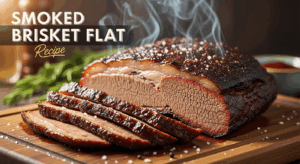


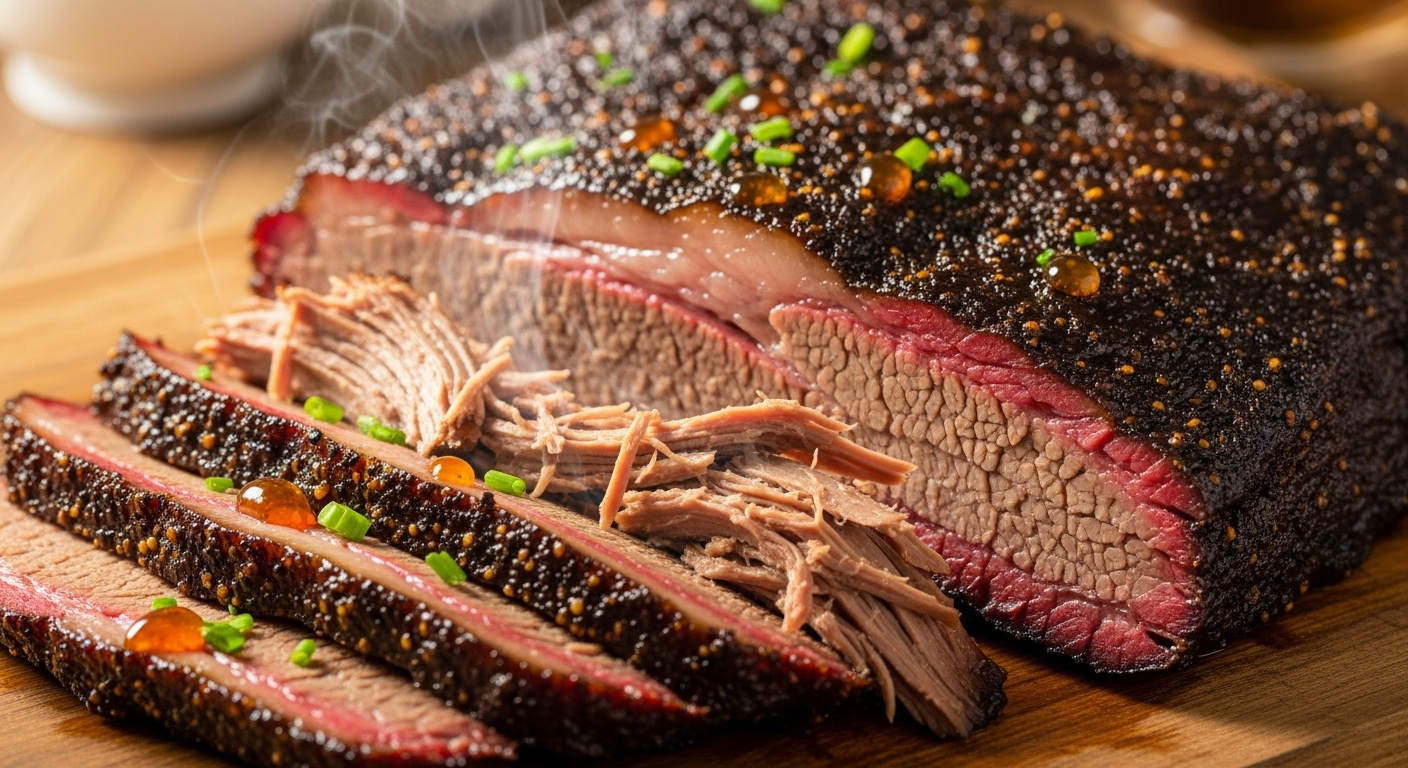
There’s something almost magical about the slow smoke curling through a backyard on a crisp afternoon-the promise of tender, mouthwatering brisket that’s been transformed by hours of patient, smoky alchemy.But mastering the art of smoking a brisket flat is more than just setting a temperature adn waiting; it’s a delicate dance of technique, timing, and intuition. Whether you’re a seasoned pitmaster or an eager newcomer,unlocking the secrets to a perfectly smoked brisket flat means understanding its unique texture,managing heat and smoke with precision,and nurturing the meat until it reaches its full flavorful potential. In this article, we’ll guide you through the essential steps and insider tips to elevate your smoking game, turning humble cuts into tender, smoky masterpieces that will impress every palate at your table.
Mastering the Art of Smoking a Tender Brisket flat
Mastering the art of smoking a tender brisket flat opens the door to an unforgettable culinary experience that celebrates patience,precision,and passion. This cut, prized for its lean texture and rich beef flavor, requires a careful hand-from selecting the right slab to applying a robust dry rub and coaxing out flavors through low and slow smoking. Whether you’re a seasoned pitmaster or an excited home cook, this guide will make your brisket flat the centerpiece of any meal.
Prep and Cook Time
- Readiness: 30 minutes
- Marinade/Dry rub Rest: 2 hours (optional for enhanced flavor)
- Smoking: 8 to 12 hours
- Resting: 1 hour
Yield
Serves 8-10 people
Difficulty Level
Advanced – Best for cooks ready to commit to low and slow smoking techniques
ingredients
- 1 (5 to 6 pounds) brisket flat, well-trimmed (0.25-inch fat cap)
- 3 tbsp kosher salt
- 3 tbsp coarse black pepper
- 2 tbsp smoked paprika
- 1 tbsp garlic powder
- 1 tbsp onion powder
- 1 tbsp brown sugar
- 1 tsp cayenne pepper (optional for heat)
- Wood chips: oak, hickory, or pecan
- Mustard (yellow or Dijon) for binder
Instructions
- Selecting and Preparing the Brisket Flat: Start by choosing a brisket flat with an even thickness and a consistent fat cap about 1/4 inch thick to ensure moisture retention without excessive greasiness. Trim any silver skin and excess fat but leave a thin layer for flavor.
- Crafting and Applying the Dry Rub: In a bowl, combine kosher salt, black pepper, smoked paprika, garlic and onion powder, brown sugar, and cayenne. Lightly coat the brisket with mustard as a binder, then massage the rub evenly all over the meat. Let it rest uncovered in the refrigerator for at least 2 hours or up to overnight to deepen the flavors.
- Preparing the Smoker: Preheat your smoker to a stable 225°F.Use hardwood chips like oak, hickory, or pecan to infuse a subtle smokiness that complements the rich beef flavor without overpowering it.
- Slow Smoking the Brisket: Place the brisket flat fat side up on the smoker grate. Smoke at 225°F low and slow for 1 to 1.5 hours per pound, monitoring internal temperature towards 195-205°F for ultimate tenderness. Spritz with apple cider vinegar or beef broth every hour after the first 3 hours to keep the meat moist and enhance bark development.
- Wrapping (Texas Crutch): When the brisket hits around 160-165°F and the bark looks set, wrap it tightly in butcher paper or foil to prevent dryness and help push it through the “stall.” Continue smoking until the target internal temperature is reached.
- resting the Meat: remove the brisket from the smoker and let it rest, wrapped, for at least 1 hour. This crucial step allows juices to redistribute, guaranteeing moistness and tenderness.
- Perfect Slicing: Using a sharp slicing knife, cut the brisket flat thinly against the grain at a slight angle. This preserves tenderness and ensures each bite melts in your mouth.
Tips for Success
- Choosing the Best Flat: Opt for a brisket flat with marbling for added flavor; avoid overly thick fat caps-trim to a thin layer.
- Rub Variations: Experiment with adding ground coffee or crushed red pepper flakes for a unique twist on the rub.
- Temperature Awareness: Rely on an instant-read thermometer; the brisket is done when it’s tender and easily pierced like butter, not just when it hits temperature.
- Resting is Not Optional: Skipping the resting phase results in poor juice retention and a dry brisket flat.
- make-Ahead: Rub the brisket the night before and refrigerate uncovered for a dry cure effect and superior bark formation.
Serving Suggestions
Serve slices of your smoked brisket flat on a rustic wooden board, garnished with fresh parsley or chives for a pop of green. Complement with tangy BBQ sauce,pickled onions,and a side of creamy coleslaw or buttery corn on the cob. For a true Texas BBQ experience, offer classic white bread slices alongside to balance smoky richness.

| Nutrient | Per Serving |
|---|---|
| Calories | 320 |
| Protein | 35g |
| Carbohydrates | 3g |
| Fat | 18g |
for deeper insights into BBQ techniques, check out our Complete Guide to Smoking Meats. For scientific breakdowns on cooking meat at low temperatures, visit Serious Eats – The Food Lab.
Q&A
Q&A: Mastering the Art of Smoking a Tender brisket Flat
Q1: What exactly is a brisket flat,and how does it differ from the whole brisket?
A1: The brisket flat is the leaner,flatter portion of the whole brisket-the other half being the fatty point. While the whole brisket is a hefty, marbled cut perfect for long, slow smoking, the flat offers a more uniform shape and leaner profile, making it ideal for those who prefer less fat but still crave that smoky, tender bite.
Q2: Why is smoking a brisket flat considered an art?
A2: Smoking a brisket flat isn’t just about cooking meat low and slow; it’s a harmonious dance of temperature control, wood choice, seasoning, and patience. Achieving that perfect tenderness while locking in smoky flavor requires intuition, practice, and a bit of culinary creativity – turning a humble cut into a mouthwatering masterpiece.
Q3: What’s the best wood to use for smoking a brisket flat?
A3: Hickory and oak are classic favorites for brisket, delivering robust, smoky aromas that complement the beef’s natural flavors. For a subtler touch, fruit woods like apple or cherry bring a slightly sweet, fruity note to the smoke ring, adding depth without overpowering the meat.
Q4: How should I prepare the brisket flat before smoking?
A4: Start by trimming excess fat-leave about ¼ inch to protect the meat during the long smoke. Then apply a dry rub, typically a blend of salt, black pepper, garlic powder, and smoked paprika. Let it rest for at least an hour to absorb the flavors, or overnight in the fridge if you want the seasoning to penetrate deeper.
Q5: What’s the ideal smoker temperature and cooking time for a tender brisket flat?
A5: Aim for a steady smoker temperature of 225°F to 250°F. The cooking time varies based on the size, but generally plan for about 1 to 1.25 hours per pound.Patience is key-rushing the smoke risks toughness, while slower smoking lets connective tissues break down into tender bliss.
Q6: How do I know when the brisket flat is perfectly tender?
A6: The magic number is an internal temperature around 200°F to 205°F. But more importantly, use the “probe test”: a meat thermometer or skewer should slide into the brisket flat with little resistance, like butter melting through warm toast. If it feels tough or rubbery, it needs more time.
Q7: Should I wrap the brisket flat during smoking?
A7: Wrapping-frequently enough called the “Texas Crutch”-can definitely help speed up cooking and retain moisture. Around 160°F internal temp, wrapping the brisket flat tightly in butcher paper or foil can prevent dryness and push the meat through the stall phase. However, some purists prefer an unwrapped smoke for a thicker bark, so it’s a personal call based on texture and flavor preferences.
Q8: How long should I rest the brisket flat after smoking?
A8: resting is a crucial final step. Wrap the brisket flat in foil and a towel, then let it rest in a cooler or warm spot for at least 1 hour. This allows juices to redistribute evenly, turning your tender smoky slices into a juicy, flavorful experience.
Q9: Any tips for slicing the brisket flat perfectly?
A9: Absolutely! Always slice against the grain to ensure each bite is tender and easy to chew. The grain in brisket flat runs lengthwise, so cut perpendicular slices about ¼ inch thick for that melt-in-your-mouth satisfaction.
Q10: What are some creative serving ideas for smoked brisket flat?
A10: Beyond the classic BBQ plate, shredded smoked brisket flat shines in tacos, sandwiches, or atop loaded baked potatoes. Pair with tangy coleslaw, pickled jalapeños, or a drizzle of smoky barbecue sauce to elevate your smoky creation into a culinary party.
Mastering the brisket flat isn’t just about following recipes-it’s about understanding the cut, respecting the smoke, and savoring the journey. With practice and passion, you’ll transform this lean, humble piece of beef into a tender, smoky triumph worthy of any BBQ feast.
Wrapping Up
Mastering the art of smoking a tender brisket flat is more than just a culinary task-it’s a journey into patience, precision, and passion.Each step, from selecting the perfect cut to nurturing it with slow, fragrant smoke, transforms a humble slab of meat into a masterpiece that tells a story with every bite. Whether you’re a backyard enthusiast or a seasoned pitmaster, embracing the nuances of this craft will elevate your BBQ game and deepen your recognition for this iconic cut. So fire up your smoker, embrace the slow dance of smoke and flavor, and savor the satisfaction that comes with carving into a brisket flat smoked to tender perfection. Your taste buds-and your guests-will thank you.