



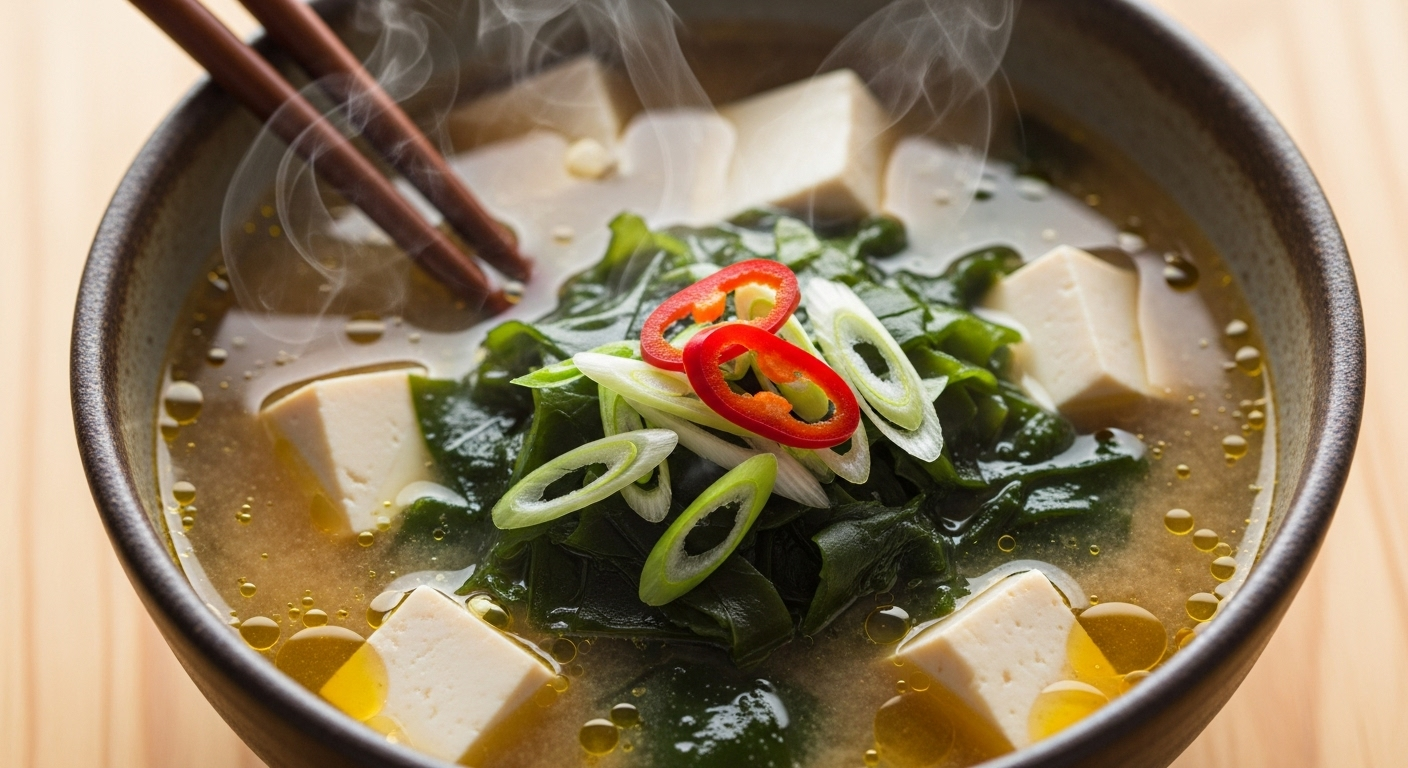
In the heart of East Asian cuisine lies a humble yet enchanting elixir: miso soup. Often gracing dinner tables with its warm, comforting presence, this delicate broth is far more than just a simple starter. When infused with the velvety texture of tofu and the briny whispers of seaweed, miso soup transforms into a culinary masterpiece that delights the senses and nourishes the soul. Join us as we embark on a flavorful journey to unlock the secrets behind this time-honored dish-exploring its origins, healthful benefits, and the magic that makes tofu and seaweed the perfect partners in this iconic soup. Prepare to discover how a few simple ingredients come together to create a harmonious blend of tradition, taste, and wellness in every spoonful.
Exploring the Nutritional Powerhouse Behind Miso, Tofu, and Seaweed
Miso Magic begins with the nourishing trio of miso, tofu, and seaweed-each a remarkable ingredient steeped in tradition and bursting with health benefits. Miso, a fermented soybean paste, is rich in probiotics that support gut health and boost immunity, while tofu offers a plant-based powerhouse of complete protein and essential amino acids. Complementing these is seaweed, dense with minerals like iodine, calcium, and iron, vital for thyroid function and bone health. Together, these ingredients form a symphony of nutrition that transforms a simple bowl of soup into a holistic wellness experience.
Prep and cook Time
- Planning Time: 10 minutes
- Cooking Time: 15 minutes
Yield
- Serves 4 hearty portions
Difficulty level
- easy – Perfect for home cooks of all levels
Ingredients
- 6 cups filtered water (or dashi broth for authenticity)
- 3 tablespoons white miso paste (Shiro Miso)
- 1 cup silken tofu, cut into ½-inch cubes
- 2 tablespoons dried wakame seaweed, soaked in water for 10 minutes, drained
- 1 teaspoon kombu (dried kelp)
- 2 green onions, thinly sliced
- 1 teaspoon soy sauce (optional, for umami depth)
- ½ cup seasonal vegetables (e.g., shiitake mushrooms, baby spinach, or julienned carrots)
- 1 teaspoon toasted sesame seeds (for garnish)
Instructions
- Prepare the Broth: In a medium saucepan, combine the filtered water and kombu. Slowly heat over medium, allowing the kombu to gently infuse the water. Remove the kombu just before the water starts to boil to avoid bitterness.
- Add seasonal Vegetables: Introduce your selected seasonal vegetables to the warm broth. Simmer for 5 minutes until tender but vibrant, preserving their natural flavors and nutrients.
- Soften the Seaweed: Drain the soaked wakame and stir into the broth,cooking for another 2 minutes. This step unlocks its delicate texture and oceanic essence.
- Incorporate Miso Paste: Ladle a small amount of the hot broth into a bowl with the miso paste. whisk until smooth to prevent clumps, then gently stir back into the pot. Keep the heat low to preserve the beneficial enzymes in the miso.
- Add Tofu: Carefully add the cubed silken tofu, stirring gently to avoid breaking apart. Warm through for 2 minutes, allowing the tofu to absorb the rich broth flavors.
- Balance the Flavor: Taste and season with soy sauce if desired for an extra umami kick. Finish with freshly sliced green onions for brightness and crunch.
- Serve: Ladle the soup into warm bowls, sprinkle with toasted sesame seeds, and enjoy instantly to embrace the nourishing warmth.
Tips for Success
- use filtered water or homemade dashi for a clean, balanced broth free from additives.
- Never boil the miso paste directly, as high heat destroys its probiotics and nuanced flavors.
- For a vegan dashi option, combine kombu with dried shiitake mushrooms to deepen umami without fish-based ingredients.
- Feel free to swap tofu varieties-firm tofu adds a chewier texture, while silken tofu creates a silky mouthfeel.
- Prepare components ahead: soak wakame and chop vegetables in advance to streamline the process.
Serving Suggestions and Pairings to Enhance Your Miso Soup Experience
Serve your Miso Magic soup alongside steaming bowls of steamed jasmine rice or sticky sushi rice for a complete meal. Garnish with a delicate sprinkle of microgreens or thinly sliced chili for a subtle heat contrast. Pair with light pickles like cucumber sunomono or a refreshing cucumber and daikon salad to brighten the palate. For beverage pairing, try a chilled glass of sake or a lightly brewed green tea to complement the earthy umami layers. As comfort food meets culinary artistry, this soup shines both as a standalone starter or a cozy main course for any season.
| Nutrient | per Serving | Notes |
|---|---|---|
| Calories | 95 | Low-calorie, nutrient-dense |
| Protein | 7g | Complete plant-based protein from tofu and miso |
| carbohydrates | 8g | Complex carbs mostly from seaweed and vegetables |
| Fat | 3g | Healthy fats from tofu and sesame seeds |

Discover more about wholesome Japanese cooking techniques in our Japanese cooking Essentials guide. For an in-depth look at fermentation and its health benefits, visit this Healthline article on Miso Nutrition.
Q&A
Q&A: Miso Magic – Unlocking the Secrets of Tofu & Seaweed Soup
Q1: What exactly is miso,and why is it called “magic” in this soup?
A: Miso is a conventional Japanese seasoning made by fermenting soybeans with salt and kōji (a type of mold). This fermentation process creates a complex umami-rich paste that brings depth,warmth,and a savory “magic” to the soup. It’s like bottled sunshine-transforming simple ingredients like tofu and seaweed into a harmonious symphony of flavor.
Q2: why are tofu and seaweed the perfect partners for miso?
A: Tofu is the gentle, silky canvas that soaks up miso’s savory goodness, while seaweed adds a briny, oceanic whisper that echoes the soup’s coastal origins. Together,they balance texture and taste-soft and savory meets chewy and mineral-rich-making every spoonful a taste of wholesome comfort.
Q3: Is miso soup healthy, or just delicious?
A: Both! Miso soup is a nutritional powerhouse. The fermentation provides beneficial probiotics that support gut health. Tofu contributes plant-based protein and calcium, while seaweed offers iodine and antioxidants. Plus, it’s low in calories and packed with vitamins, making it a nourishing elixir and also a delightful dish.
Q4: Can the type of miso change the character of the soup?
A: Absolutely! White miso (shiro) is sweeter and milder, perfect for a delicate flavor.Red miso (aka) is richer and earthier, creating a heartier broth. You can even blend different misos to create your own unique magic potion, tailoring the soup to your taste and mood.Q5: What’s the secret to making the perfect tofu and seaweed soup at home?
A: Keep it simple and respect the ingredients.Use a good-quality dashi (Japanese stock) as your soup base-this is the heart of the broth. Add your miso paste last, gently dissolving it without boiling, so the flavors stay radiant and the probiotics stay alive. Soft tofu and wakame seaweed shoudl be added near the end to preserve their textures. And don’t forget a sprinkle of green onion or a dash of sesame oil to finish with flair.
Q6: Can this soup be customized for different tastes and diets?
A: Definitely! While the classic trio of miso, tofu, and seaweed is iconic, you can add mushrooms for earthiness, spinach for freshness, or even a pinch of chili for heat. Vegans and vegetarians can enjoy it wholeheartedly by using kombu-based dashi, while seafood lovers can add dried shrimp or bonito flakes for extra umami. the magic lies in its flexibility.
Q7: Why has miso soup remained a beloved staple for centuries?
A: Miso soup embodies the harmony of simplicity and flavor. It’s a warm tradition passed down through generations, offering not just nourishment but a moment of mindfulness and connection. In every bowl, there’s a story of nature, culture, and culinary craft that continues to enchant taste buds worldwide.
Unlock your kitchen’s potential with a humble bowl of miso, tofu, and seaweed soup-where ancient alchemy turns everyday ingredients into pure magic.
Concluding Remarks
As the savory aroma of miso mingles with the tender embrace of tofu and the oceanic whispers of seaweed, this humble soup reveals more than just a comforting meal-it unlocks a centuries-old tradition of nourishment and balance. Whether you’re a seasoned chef or a curious foodie, diving into the secrets of miso, tofu, and seaweed opens a gateway to flavors that nourish both body and soul. So next time you ladle this golden broth, remember: you’re not just savoring a soup-you’re experiencing a magical harmony crafted by nature and perfected by time. Embrace the magic, one spoonful at a time.