

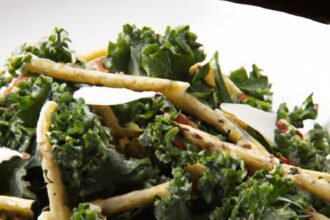


in the colorful tapestry of Brazilian cuisine, few dishes capture the spirit of the coast quite like Moqueca de Peixe. This vibrant fish stew, simmering with the flavors of sun-ripened tomatoes, creamy coconut milk, and fragrant cilantro, is more than just a meal-it’s a party of Brazil’s rich cultural heritage and bountiful seas. From its Afro-Brazilian roots in Bahia to its regional variations across the country, Moqueca de Peixe offers a delicious glimpse into the history, traditions, and warmth of Brazilian coastal life. Join us as we dive into the story behind this beloved stew, exploring the ingredients, techniques, and passion that make Moqueca de Peixe a true culinary treasure.
Moqueca de Peixe: Brazil’s Vibrant Fish Stew Explained
Moqueca de Peixe, a vibrant fish stew from Brazil’s northeastern coast, is much more than a dish-it’s a celebration of culture, flavor, and history simmering together in one pot. Layered with fragrant herbs, rich coconut milk, and fresh seafood, this stew captures the spirit of Bahia, where African, Indigenous, and Portuguese influences blend harmoniously. Every spoonful tells a story of community, seaside bounty, and unbreakable tradition.
Prep and Cook Time
- Planning: 20 minutes
- cooking: 40 minutes
- Total: 1 hour
Yield
Serves 4 hearty portions
Difficulty Level
Intermediate – perfect for cooks ready to explore bold flavors and authentic Brazilian techniques.
Key Ingredients That bring moqueca de Peixe to Life
- Firm white fish fillets - such as snapper or cod (about 600g), ensuring the flesh stays tender and flakes beautifully.
- Fresh lime juice – brightens the fish and balances the richness.
- Coconut milk – lends a silky, tropical creaminess that envelopes every ingredient.
- Palmito oil (Dendê oil) - offers the signature fiery orange hue and earthy depth, a must-have for true Bahian flavor.
- Bell peppers and tomatoes – vibrant, tender chunks release natural sweetness throughout the stew.
- Fresh cilantro and green onions – awaken the senses with aromatic freshness.
- Garlic and onion – foundational aromatics that form a savory, fragrant base.
- Malagueta peppers – gentle heat and authentic spice, optional for warmth.
Step-by-Step Guide to Crafting the Perfect Moqueca de Peixe
- Marinate the Fish: In a bowl, gently toss the fish fillets with lime juice, salt, and pepper. Let rest for 15 minutes to infuse brightness and tenderize.
- Prepare the Base: Heat a large clay pot or heavy skillet over medium heat. Add 3 tablespoons of palmito oil and sauté 1 finely chopped onion and 3 minced garlic cloves until translucent and fragrant (about 4 minutes).
- Add Vegetables: Introduce 1 sliced red bell pepper, 1 sliced green bell pepper, and 3 medium diced tomatoes. Cook gently, stirring occasionally, until softened and fragrant-roughly 10 minutes.
- Incorporate Spices: Add 1 or 2 finely chopped malagueta peppers (or substitute with fresno chili for milder heat) along with freshly cracked black pepper. Stir to marry the flavors.
- Pour Coconut Milk: Slowly pour in 400 ml of coconut milk,allowing the mixture to come to a gentle boil,creating a luscious,aromatic broth.
- Layer Fish: Nestle your marinated fish fillets carefully into the bubbling broth. Cover the pot and let simmer over low heat for 15-20 minutes, avoiding stirring to keep fish pieces whole.
- finish with Herbs: just before serving, sprinkle a generous handful of chopped fresh cilantro and sliced green onions on top, infusing the stew with vibrant colour and fresh aroma.
- Rest and Serve: Allow the stew to rest covered off heat for 5 minutes; this helps the flavors deepen and the fish settle beautifully.
Chef’s Notes & Tips for Success
- Fish Selection: choose firm, fresh fillets to withstand gentle simmering without falling apart. Grouper, halibut, or sea bass are excellent alternatives.
- Palmito Oil Substitute: If unavailable, blend with a mix of olive oil and a touch of smoked paprika to mimic its unique flavor and color.
- Make Ahead: Prepare the vegetable base and coconut broth a day in advance; store separately. Combine with fresh fish just before simmering.
- Heat Level: Adjust malagueta or chili peppers to your preferred spice tolerance. The stew is forgiving and balances heat well.
- Presentation: Use a traditional clay pot (moqueca pot) if possible-both for cooking and serving; it retains heat and adds rustic charm.
Pairing Moqueca de Peixe with Traditional Brazilian Sides and Wines
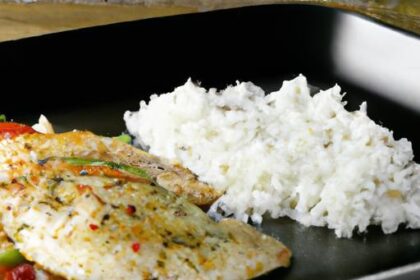
To elevate your Moqueca de Peixe experience, consider serving it alongside fluffy white rice, which beautifully absorbs the stew’s rich sauce. A side of farofa sprinkled with toasted cassava flour adds a satisfying crunch and earthy contrast. For an authentic touch, include pão de queijo-cheesy Brazilian bread-to complement the creamy stew.
As for wine,radiant and refreshing whites like a Sauvignon Blanc or Brazilian serra gaúcha Chardonnay pair wonderfully, cutting through the richness while enhancing the seafood’s delicate flavors.

Nutritional Details
| Serving size | Calories | Protein | Carbs | Fat |
|---|---|---|---|---|
| 1 bowl (approx. 300g) | 320 kcal | 28g | 12g | 18g |
For more on Brazilian culinary traditions, check out our Exploring Brazilian Cuisine guide to deepen your culinary journey.
Q&A
Q&A: Moqueca de Peixe – Brazil’s Vibrant Fish Stew Explained
Q: What exactly is Moqueca de Peixe?
A: Moqueca de Peixe is a traditional Brazilian fish stew that bursts with vibrant colors and tropical flavors. It’s a simmering symphony of fresh fish, coconut milk, tomatoes, onions, peppers, and plenty of fragrant herbs, all melding together in a luscious, aromatic broth.
Q: Where does Moqueca de Peixe come from?
A: This delectable dish hails from Brazil’s northeastern coast, notably the states of Bahia and espírito Santo. Each region boasts its own twist-Bahian moqueca often includes dendê (palm oil) and coconut milk for richness, while Espírito Santo’s version is generally lighter, relying on olive oil and urucum for color.Q: What makes Moqueca de peixe so special compared to other fish stews?
A: Unlike many fish stews, moqueca de Peixe dazzles with its vibrant, colorful ingredients and the subtle use of regional oils that infuse the dish with an unmistakable tropical essence. The marriage of creamy coconut milk and the slightly tangy, sweet notes from fresh lime or dendê creates a multi-dimensional flavor profile that’s both comforting and exotic.Q: What kinds of fish are best for Moqueca de Peixe?
A: Firm, white-fleshed fish like snapper, sea bass, or cod are ideal because they hold together well in the stew’s gentle simmer. Freshness is key sence the dish celebrates the pure, natural flavors of the seafood.
Q: Are there any key spices or herbs that define Moqueca’s flavor?
A: Yes! Fresh cilantro and parsley add bright herbal notes, while garlic and onions provide depth. The use of dendê palm oil, especially in Bahian versions, offers a smoky, earthy complexity. Sometimes, urucum (annatto seeds) is added for a subtle sweet pepper flavor and that trademark reddish-orange hue.
Q: How is Moqueca traditionally served?
A: Moqueca de Peixe is often served piping hot in a clay pot, accompanied by fluffy white rice and farofa-a toasted cassava flour mixture that adds crunch. A squeeze of lime and some fresh chili on the side can elevate the dish even further.
Q: Can Moqueca de Peixe be adapted for different dietary preferences?
A: Absolutely! While traditionally made with fish, the recipe can be adapted using shrimp, crab, or even hearty vegetables like heart of palm or eggplant for a vegetarian spin. Just keep the spirit of bold, fresh Brazilian flavors alive.
Q: What’s the cultural meaning of Moqueca in Brazil?
A: Moqueca isn’t just a meal; it’s a celebration of Brazil’s coastal bounty and diverse cultural heritage. The dish reflects indigenous, African, and Portuguese influences, uniting them in a bowl that tells a story of tradition, community, and the joy of sharing good food.Q: Why should food lovers add Moqueca de Peixe to their culinary bucket list?
A: Because it’s not just a stew-it’s an experience. With every spoonful, you dive into Brazil’s sun-soaked shores and vibrant markets. The harmony of flavors, colors, and textures paints a delicious portrait of a culture that knows how to savor life’s freshest gifts. If food is poetry, Moqueca is a vivid sonnet of the sea.
Closing Remarks
As the last simmering spoonful of moqueca de peixe lingers on the palate, it’s clear that this vibrant Brazilian fish stew is more than just a dish-it’s a rich tapestry woven from the country’s coastal bounty, cultural diversity, and centuries-old traditions.Every fragrant bite tells a story of sun-soaked shores, lively markets, and the joyful spirit of community. Whether enjoyed in a bustling beachside eatery or recreated in your own kitchen, moqueca invites you to savor Brazil’s warmth and color in a bowl. So next time you seek a taste adventure that’s as soulful as it is savory, let moqueca lead the way.