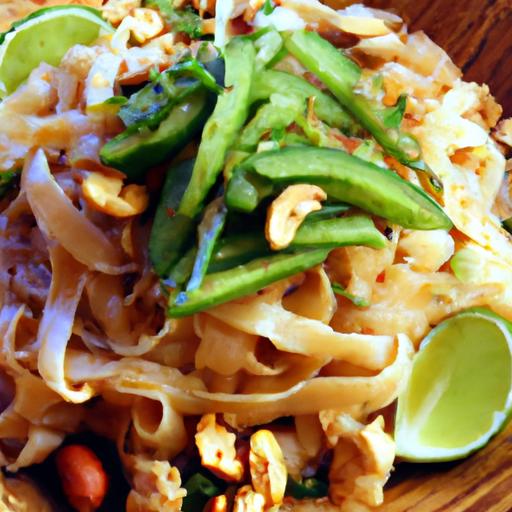

There’s something undeniably captivating about the dance of flavors in Thai cuisine – vibrant, bold, and perfectly balanced. Among its many treasures, Thai peanut noodles stand out as a comforting yet exotic dish that effortlessly marries creamy, nutty richness with zesty, aromatic spice. Weather you’re a seasoned home cook or a curious foodie eager to explore new culinary horizons, mastering the art of Thai peanut noodles opens a gateway to endless savor and satisfaction. In this article,we’ll unravel the secrets behind this beloved dish,guiding you step-by-step to create your very own nutty delight that promises to tantalize your taste buds and elevate your weeknight meals.
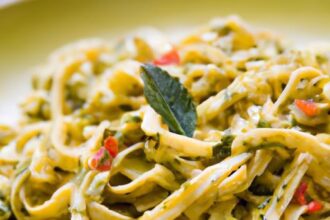
Nutty Delight begins with selecting the freshest noodles and ingredients, setting the stage for an authentic thai experience bursting with vibrant flavors. Quality matters-opting for fresh rice noodles or perfectly chewy egg noodles provides the ideal canvas for the rich, creamy peanut sauce that follows. Crisp vegetables like julienned carrots, crunchy snap peas, and fragrant fresh herbs elevate the dish, creating layers of texture and depth. These elements harmonize to bring the true essence of Thai street food right onto your plate.
Prep and Cook Time
- Prep: 20 minutes
- Cook: 15 minutes
- total Time: 35 minutes
Yield
Serves 4 hearty portions
Difficulty Level
Easy – Perfect for weeknight dinners or casual entertaining
Ingredients
- 8 oz fresh rice noodles (or dried, soaked according to package)
- 1 cup shredded carrots
- 1 cup snap peas, trimmed and halved
- ½ cup finely chopped fresh cilantro
- ⅓ cup chopped roasted peanuts (unsalted)
- 2 green onions, thinly sliced
- 1 tbsp toasted sesame oil
- For the Thai Peanut Sauce:
- ½ cup creamy peanut butter (natural, unsweetened preferred)
- 3 tbsp soy sauce
- 2 tbsp lime juice, freshly squeezed
- 1 tbsp honey or palm sugar
- 1 tbsp rice vinegar
- 1 tsp chili garlic sauce (adjust to taste)
- ½ cup warm water (more for thinning)
- 1 garlic clove, minced
- 1 tsp grated fresh ginger
Instructions
- Prepare the noodles: Cook the fresh rice noodles according to package instructions until pliable but still firm (al dente). Drain and rinse under cold water to halt cooking and prevent clumping. Toss with a little toasted sesame oil to keep them separated.
- Make the peanut sauce: In a medium bowl, whisk together peanut butter, soy sauce, lime juice, honey, rice vinegar, chili garlic sauce, minced garlic, and grated ginger. Gradually whisk in warm water until smooth, creamy, and pourable.Adjust the chili level and sweetness to personal preference.
- Blanch the snap peas: Briefly submerge snap peas in boiling water for 1 minute to retain their vivid green and crisp bite. Immediately transfer to an ice bath.
- Combine noodles and vegetables: In a large mixing bowl, gently toss the noodles with shredded carrots, snap peas, and green onions.
- Add the peanut sauce: Pour the prepared peanut sauce over the noodle mixture. Toss thoroughly but gently, ensuring every strand and vegetable is coated with luscious, nutty goodness.
- Plate and garnish: Divide the noodles among serving bowls. Sprinkle with chopped roasted peanuts and fresh cilantro for bursts of flavor and crunch.Finish with an optional drizzle of extra sesame oil or a wedge of lime for brightness.
Tips for Success
- Noodle choice matters: For a traditional texture,fresh rice noodles yield the best results,but if unavailable,soaked dried noodles are a practical substitute.
- Sauce consistency: Aim for a sauce thick enough to cling but loose enough to coat-the warm water adjustment is key.
- Customizable heat: Control spice by varying chili garlic sauce; add fresh chili slices for a punchy kick.
- Make ahead: The sauce can be mixed in advance and refrigerated for up to 3 days. simply whisk before serving.
- Protein boost: Add grilled chicken, tofu, or shrimp to transform this into a full meal.
Serving Suggestions
This dish shines when paired with light, crisp sides such as a cucumber salad lightly dressed in rice vinegar and sesame seeds. Garnished with extra chopped peanuts and a sprinkle of fresh herbs, serve alongside a chilled Thai iced tea or sparkling water with lime for a refreshing balance. For a creative twist, try tossing in crushed crispy wonton strips or swapping peanut butter for almond butter for a subtly different nutty flavor.
| Nutrient | Amount per Serving |
|---|---|
| Calories | 420 kcal |
| Protein | 12 g |
| Carbohydrates | 52 g |
| Fat | 16 g |
For more inspiration on Thai cuisine techniques, explore our authentic Thai stir-fry basics.Expand your pantry knowledge with trusted culinary insights from Serious Eats’ guide to peanut sauces.

Q&A
Q&A: Nutty Delight – Mastering the Art of Thai Peanut Noodles
Q1: What makes Thai Peanut Noodles a beloved dish worldwide?
A1: Thai Peanut noodles captivate with their perfect balance of creamy, spicy, tangy, and sweet flavors. The rich peanut sauce coats every strand of noodles, delivering a comforting warmth that’s both exotic and familiar. Its versatility-served hot or cold, vegetarian or with meat-makes it beloved across cultures and kitchens.
Q2: What are the key ingredients in an authentic Thai peanut sauce?
A2: The soul of Thai peanut noodles lies in its sauce. Typically, it features creamy peanut butter, coconut milk or water for smoothness, tamarind or lime juice for tang, soy sauce or fish sauce for umami, palm sugar for sweetness, garlic and chili for depth and heat, and sometimes a splash of rice vinegar. Together,they create a luscious and vibrant profile that defines the dish.
Q3: Can you substitute traditional ingredients for dietary preferences?
A3: Absolutely! For a vegan version,skip fish sauce and opt for soy or tamari. Nut allergies? Try sunflower seed butter or tahini, tho the flavor will shift slightly. Use gluten-free noodles or spiralized veggies for a low-carb twist. The beauty of this dish is in its adaptability without losing its signature essence.
Q4: What type of noodles work best in thai Peanut Noodles?
A4: While traditional recipes often use rice noodles-thin, flat, or vermicelli-other noodles like udon, soba, or even spaghetti can hold the peanut sauce wonderfully. Rice noodles soak up the sauce delicately and maintain a light texture, but feel free to experiment to fit your preference.
Q5: How do you prevent the peanut sauce from clumping or becoming greasy?
A5: The trick is gradual mixing and warmth. Whisk peanut butter with warm liquid (water, coconut milk, or broth) slowly to create a smooth consistency before adding the rest of the ingredients. Avoid overheating, as excessive heat can cause oils to separate. Adding a little acid, like lime juice, helps maintain an appetizing, creamy texture.
Q6: what garnishes elevate the flavor and presentation of Thai peanut noodles?
A6: Freshness and crunch are key. Think chopped cilantro, sliced green onions, toasted crushed peanuts, and thin strips of red chili for heat. A squeeze of lime adds zing, while shredded carrots or cucumber provide crisp contrast. These simple touches bring brightness and dimensionality, transforming the dish into a feast for the eyes and palate.
Q7: is Thai Peanut Noodles suitable as a meal prep option?
A7: Yes! This dish holds up well refrigerated for a couple of days. Store noodles and sauce separately to maintain texture, and toss them together when ready to eat. The flavors often deepen overnight, making each bite even more delightful. It’s a convenient, nourishing choice for busy weeks.
Q8: Any tips for beginners attempting this dish for the first time?
A8: Start with a trusted recipe but feel free to tweak the heat, sweetness, or tang to your liking. Keep the peanut sauce smooth by mixing thoroughly and tasting as you go. Cooking noodles to the perfect ‘al dente’ texture ensures the dish isn’t mushy. Most importantly, embrace the process-this is fun, flavorful cooking that rewards experimentation!
Embark on your journey to mastering Thai Peanut Noodles, and soon you’ll have this irresistible nutty delight twirling on your fork, bridging cultures and flavors with every bite.
Concluding Remarks
As the final strands of those rich, glossy peanut noodles twirl onto your fork, you’re not just tasting a dish-you’re savoring a story woven from Thailand’s vibrant kitchens and bustling markets. Mastering the art of thai Peanut Noodles is more than following a recipe; it’s an invitation to explore layers of flavor,texture,and tradition in every bite.Whether you’re crafting this nutty delight for a swift weeknight dinner or impressing friends with your culinary prowess, let your creativity run wild with fresh herbs, crunchy toppings, and subtle twists. So go ahead-embrace the bold,creamy warmth of peanut sauce,and transform a simple noodle bowl into a party of taste and culture that lingers long after the last bite. Your journey in mastering Thai Peanut Noodles has onyl just begun.