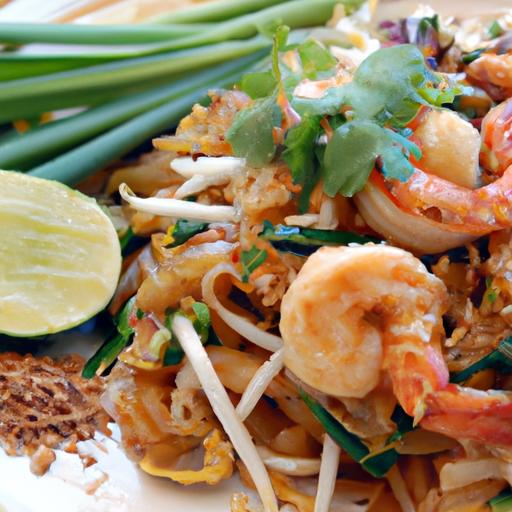


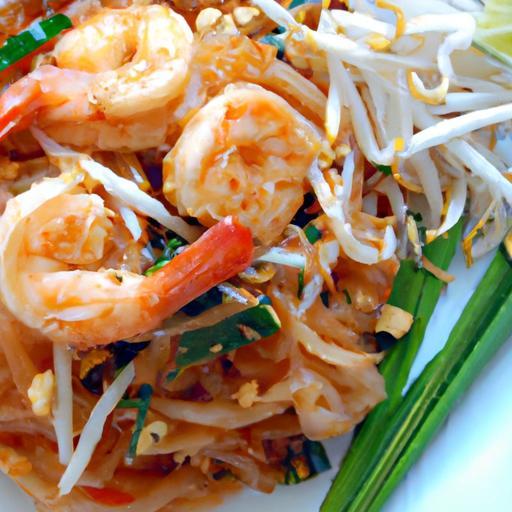
There’s a reason Pad Thai has stolen the hearts-and taste buds-of food lovers around the globe.This vibrant, tangy, and perfectly balanced stir-fried noodle dish is a party of sweet, sour, salty, and spicy flavors all harmonizing in one colorful plate. But when it comes too choosing your protein, the question arises: shrimp or chicken? In this guide, we’ll dive into the art of Pad Thai perfection, exploring how each choice transforms the dish, along with step-by-step recipes that promise to elevate your home-cooked Pad Thai to restaurant-worthy levels. Whether you’re craving the succulent bite of shrimp or the comforting savoriness of chicken, prepare to master a dish that’s as versatile as it is delicious.
Pad Thai perfection: Shrimp or Chicken recipe guide begins with understanding how to expertly pair your protein to the iconic flavors of this beloved Thai street dish. The choice between shrimp and chicken influences not only the taste but also the texture, marinade needs, and cooking technique-all vital to achieving that authentic balance of sweet, sour, salty, and umami that defines Pad Thai.
Choosing Your protein: Matching Shrimp and Chicken to Pad Thai Flavors
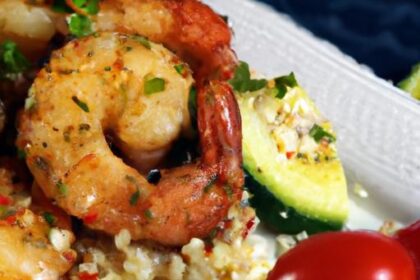
Shrimp offers a delicate sweetness and slightly briny note that beautifully complements the tamarind and fish sauce base of pad Thai. Its naturally tender flesh cooks rapidly,absorbing marinades quickly while adding that signature seafood brightness.Chicken, on the other hand, provides a mild, meaty backdrop with a firmer bite, wich helps absorb the tangy, nutty sauce layers. Opting for thinly sliced chicken breast or thigh will ensure it remains juicy and tender without overwhelming the dish.
For an ideal pairing,consider the shrimp when craving something light and vibrant,while chicken is perfect when you want a heartier,comforting plate.Whichever you pick,prepping the protein with a marinade tailored to its texture unlocks unforgettable depth.
Mastering the marinades: Unlocking the Secret to tender and Flavorful Proteins
The key to pad Thai perfection lies in a marinade that enhances without overpowering.For shrimp, a quick soak in a mixture of light soy sauce, minced garlic, a touch of fish sauce, and white pepper for 10-15 minutes is enough to impart delicate seasoning while preserving its sweet ocean flavor.
Chicken requires a slightly longer marinade-about 30 minutes-in a blend of tamari or soy sauce,freshly grated ginger,a splash of lime juice,and a hint of palm sugar.This combination tenderizes the meat and infuses a subtle citrusy caramel undercurrent that aligns beautifully with the Pad Thai sauce.
Avoid heavy marinades with thick pastes; the goal is to lift your protein, not mask it. Once marinated, quick high-heat cooking seals in juice and flavor while developing that coveted slight char.
Balancing Texture and Taste: Tips for Achieving the Perfect pad Thai Mouthfeel
The hallmark charm of pad Thai is the interplay between soft noodles, crisp bean sprouts, crunchy peanuts, tender protein, and fresh herbs. When preparing shrimp, sauté just until pink and slightly curled-overcooked shrimp becomes rubbery and detracts from the dish’s silkiness. Chicken should be cooked until just opaque with a golden exterior to promote juiciness.
To add dimension, toss in freshly chopped roasted peanuts and crispy fried shallots, offering satisfying crunch that contrasts with the chewy rice noodles. Bean sprouts and scallions bring light crispness and herbal brightness,balancing richness.
Essential Garnishes and Serving Suggestions: Elevate Your Pad Thai to restaurant Quality
A visually stunning Pad Thai showcases vibrant colors and layered aromas. Fresh wedges of lime provide the energetic zing that awakens the palate-squeeze generously at the table. Bright green scallions, chopped cilantro, and a sprinkle of ground toasted peanuts add freshness and texture. For an elegant touch, a few sprigs of Thai basil can be served on the side.
Serve on a warm plate to keep noodles supple. Offer chili flakes or a homemade chili oil for those who crave heat, and pair with a light, crisp iced tea or a subtly sweet Riesling to complement the dish’s complex flavors.
Prep and Cook Time
- Prep: 20 minutes (including marinade)
- Cook: 15 minutes
- Total: 35 minutes
Yield
- Serves 4 generous portions
Difficulty Level
- Medium – perfect for home cooks ready to elevate their Asian cuisine skills
Ingredients
- 8 oz rice noodles, soaked or boiled until tender per package instructions
- 12 oz shrimp, peeled and deveined or 12 oz boneless chicken breast/thighs, thinly sliced
- 2 tbsp vegetable oil, divided
- 3 cloves garlic, minced
- 2 large eggs
- 1 cup bean sprouts, rinsed and drained
- 3 scallions, thinly sliced
- ¼ cup roasted peanuts, chopped
- 2 tbsp tamarind paste
- 3 tbsp fish sauce
- 2 tbsp palm sugar (or brown sugar)
- 1 tbsp soy sauce
- 1 lime, cut into wedges
- Fresh cilantro and Thai basil, for garnish
- Chili flakes (optional)
- For shrimp marinade: 1 tbsp light soy sauce, 1 tsp fish sauce, 1 garlic clove minced, pinch white pepper
- For chicken marinade: 1 tbsp tamari or soy sauce, 1 tsp grated ginger, 1 tsp palm sugar, 1 tbsp lime juice
Instructions
- Marinate your protein: Combine the marinade ingredients in a bowl. add shrimp or chicken and toss to coat. Shrimp should marinate for 10-15 minutes; chicken for 30 minutes.
- Prepare noodles: Soak or boil rice noodles until tender but still slightly firm to the bite. Drain and set aside.
- make Pad Thai sauce: In a small bowl, whisk together tamarind paste, fish sauce, palm sugar, and soy sauce until smooth. Adjust balance as needed-aim for a harmony of sweet, sour, and salty.
- Cook protein: Heat 1 tbsp vegetable oil in a large wok or skillet over medium-high heat. Add shrimp or chicken, stir-fry quickly until just cooked through (shrimp pink and curled, chicken opaque and golden). Remove and set aside.
- Sauté aromatics and eggs: Add remaining oil to pan. Toss in garlic and stir-fry until fragrant (30 seconds). Push garlic to the side, crack eggs into pan and scramble gently until just set.
- Combine noodles and sauce: Add noodles and Pad Thai sauce to the wok. Toss gently but thoroughly to coat noodles in sauce without breaking them.
- Add protein and vegetables: Return shrimp or chicken to the pan. Add bean sprouts and scallions. Stir-fry for another 1-2 minutes to heat through and marry flavors.
- Plate and garnish: transfer to serving dishes. Sprinkle chopped peanuts, fresh cilantro, Thai basil, and chili flakes (if using). Serve promptly with lime wedges on the side to squeeze over.
Tips for Success
- Do not over-marinate shrimp as it can turn mushy.
- Use high heat for stir-frying to get that slightly smoky “wok hei” flavor.
- If tamarind paste is unavailable, substitute with 1 tbsp lime juice mixed with 1 tsp soy sauce for acidity.
- prepare all ingredients before cooking-this dish moves quickly once on the stove.
- Leftover Pad Thai can be gently reheated with a splash of water or broth to restore moisture.
Serving Suggestions
Present your Pad Thai with an artful arrangement of bright lime wedges and a scattering of chopped peanuts on top. A crisp cucumber salad or lightly pickled carrots provide cooling contrast. To impress guests, serve on banana leaves or colorful ceramic dishes with small bowls of chili flakes and extra peanuts for self-customization.
| Nutrient | per Serving |
|---|---|
| Calories | 420 kcal |
| Protein | 28 g |
| Carbohydrates | 48 g |
| Fat | 12 g |
Related Reading: Explore more Thai classics with our easy Thai Green Curry recipe.
For deeper insight into Pad Thai’s history and cultural impact, visit the Encyclopedia Britannica’s Pad Thai entry.

Q&A
Q&A: Pad Thai Perfection – Shrimp or Chicken Recipe Guide
Q1: What makes Pad Thai a beloved dish worldwide?
A1: Pad Thai’s magic lies in its harmonious balance of sweet, salty, sour, and umami flavors, combined with a satisfying mix of textures-from tender noodles to crunchy peanuts. Its versatility and vibrant taste profiles make it a go-to comfort food and street food favorite globally.
Q2: Should I choose shrimp or chicken for my Pad Thai?
A2: Both shine in their own right! Shrimp adds a briny, slightly sweet seafood note that pairs beautifully with the tangy tamarind sauce. Chicken offers a hearty, mild canvas that soaks up the sauce perfectly, making the dish feel more significant.Your choice depends on mood: craving a seaside vibe? Go shrimp. Want something classic and comforting? Chicken’s your pick.
Q3: What are the key ingredients that elevate homemade Pad Thai?
A3: Essential aromatics like garlic and shallots, tamarind paste for that signature tang, fish sauce for umami depth, palm sugar to soften acidity, and fresh lime for brightness are non-negotiable. Don’t forget crushed peanuts and bean sprouts for crunch, plus fresh cilantro or scallions to finish.
Q4: How do I get the noodles just right-soft but not mushy?
A4: Soak your rice noodles in warm water until they’re pliable but still firm to the bite-typically 20-30 minutes. Drain well before cooking and stir-fry quickly over high heat to finish cooking.This prevents over-softening and keeps the noodles pleasantly chewy.
Q5: Any tips for achieving that perfect Pad Thai wok flavor?
A5: High heat is your best friend! Use a well-seasoned wok or a heavy skillet, preheat it until it’s almost smoking, and keep ingredients moving swiftly. This quick stir-fry locks in flavors and adds that slightly smoky “wok hei” essence that’s key to authentic Pad Thai.
Q6: Can I make Pad Thai vegan or vegetarian?
A6: Absolutely! Swap shrimp or chicken for tofu or extra vegetables. Replace fish sauce with soy sauce or tamari, and omit eggs or use scrambled tofu. The tamarind and palm sugar still deliver that iconic tangy and sweet base, proving Pad Thai’s adaptability.
Q7: How do I balance the flavors so the dish isn’t too sweet, sour, or salty?
A7: Taste as you go! The trick is layering flavors gradually-start with small amounts of tamarind, fish sauce, and sugar, then adjust. add lime juice last for freshness, and remember, the mix of ingredients should dance together in harmony rather than overpower one another.
Q8: What’s the secret finishing touch to a flawless Pad Thai?
A8: A generous sprinkle of crushed roasted peanuts and fresh bean sprouts adds crunch, while a wedge of lime on the side lets everyone brighten their dish to taste. Fresh herbs like cilantro or thai chilis can amp up aroma and heat,making every bite a complex delight.
With thes tips and your choice of succulent shrimp or tender chicken, you’re well on your way to Pad Thai perfection!
Future Outlook
Whether you’re team shrimp or rooting for chicken, mastering the art of Pad Thai is a flavorful journey worth savoring. With the right balance of tangy tamarind, sweet palm sugar, and savory spices, your kitchen can transform into a vibrant Thai street market. So go ahead-whip up your perfect Pad Thai, share it with loved ones, and let every bite tell a story of tradition, taste, and your own culinary flair. Happy cooking and even happier eating!