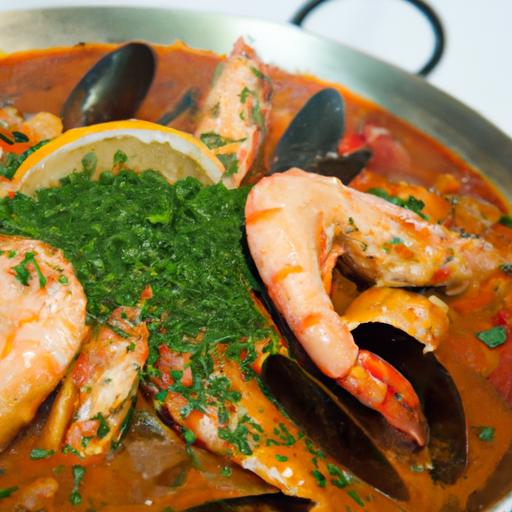

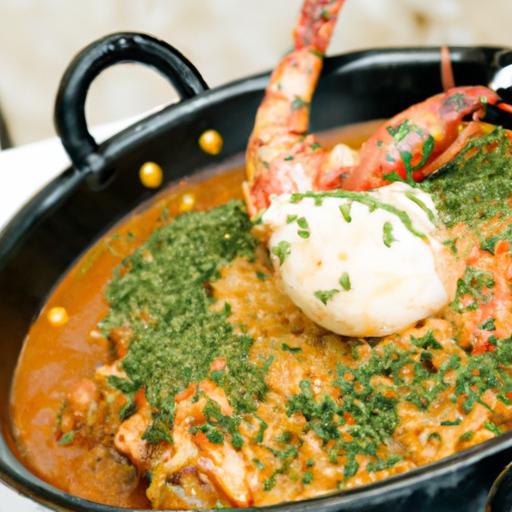
Beneath the sizzling symphony of saffron-infused rice, tender seafood, adn smoky chorizo lies a story as rich and layered as the dish itself. Paella-Spain’s vibrant culinary icon-transcends the rustic pan in which it is traditionally cooked, weaving together history, culture, and community with every fragrant bite. Far more than a recipe or a meal,paella is a living tapestry of regional pride,seasonal creativity,and shared party. In this exploration, we peel back the layers of Spain’s most beloved dish, revealing the flavors, traditions, and innovations that have helped paella leap from coastal kitchens to global fame. Join us as we unveil the essence of paellas beyond the pan, uncovering what truly makes this dish an enduring symbol of Spanish heritage.
Paellas Unveiled: Spain’s Iconic Dish Beyond the pan invites you on a flavorful journey through the heart of Spanish culinary tradition. This emblematic dish, born in the vibrant region of Valencia, has transcended borders and generations, becoming a symbol of Spain’s rich gastronomic heritage.Whether cooked over an open flame or in a modern kitchen, paella represents more than just food - it’s a celebration of community, regional pride, and the seasons’ best offerings.
Prep and Cook Time
- Preparation: 25 minutes
- Cooking: 45 minutes
- Total time: 1 hour 10 minutes
Yield
Serves 4 to 6 generously
Difficulty Level
Medium - Ideal for adventurous home cooks ready to embrace conventional techniques with modern ease
Ingredients
- 2 tbsp extra virgin olive oil
- 1 medium onion, finely chopped
- 4 cloves garlic, minced
- 1 red bell pepper, diced
- 2 large ripe tomatoes, grated or 1/2 cup canned crushed tomatoes
- 1 tsp smoked paprika (pimentón)
- Pinch of saffron threads, soaked in 3 tbsp warm water
- 1 1/2 cups Bomba or Calasparra rice (short-grain spanish rice)
- 4 cups homemade or quality chicken broth, warm
- 200g chicken thighs, boneless and chopped
- 150g rabbit meat, chopped (optional for authenticity)
- 150g green beans (ferraura or flat green beans)
- 100g garrofón (white lima beans) or butter beans
- Sea salt and freshly ground black pepper to taste
- Fresh parsley, chopped, for garnish
- Lemon wedges for serving
Instructions
- Heat the olive oil in a wide, shallow paella pan over medium heat. Once shimmering, add the chicken and rabbit pieces, seasoning with salt. Sauté untill golden and cooked through, about 8 minutes, turning regularly.
- Add the onion, bell pepper, and green beans; cook, stirring occasionally until softened, about 5 minutes.
- Stir in the garlic and smoked paprika,
- Add the grated tomatoes. Let the mixture simmer until the liquid evaporates and a rich sofrito forms, roughly 8-10 minutes.
- Sprinkle the rice evenly across the pan,Distribute the garrofón beans around the pan without stirring after this point.
- Simmer uncovered on medium heat for about 18 minutes. Check occasionally but refrain from stirring to allow the socarrat (crispy bottom) to develop.
- Reduce heat to low for the last 5 minutes,
- Remove from heat, cover with a clean kitchen towel,
- Garnish with chopped parsley and lemon wedges. Serve directly from the pan to engage in the authentic communal dining experience.
Tips for Success
- Use Bomba rice for its remarkable absorption qualities – it swells without becoming mushy.
- Don’t rush the sofrito stage: this foundational flavor makes all the difference.
- The socarrat is prized: listen for a gentle crackling sound towards the end of cooking to achieve that prized crisp layer.
- For seafood paellas, swap meats for fresh shellfish and use fish stock rather of chicken broth.
- Make ahead: paella tastes even better the next day! Reheat gently on low heat with a splash of broth.
- Experiment with a traditional Valencian recipe to dive deeper into regional specifics.
Serving Suggestions
Present this dish with vibrant lemon wedges and a sprinkle of fresh parsley to brighten every bite.pair with rustic Spanish red wines like Tempranillo or Garnacha to complement the smoky paprika and saffron-infused rice. Traditional sides such as pan con tomate (toasted bread rubbed with garlic and tomato) and a simple mixed green salad with sherry vinaigrette add texture and freshness to the table. Encourage guests to share straight from the pan - it’s a stunning tactile experience that enhances the heartwarming spirit of paella.
| Nutritional Info (per serving) | Calories | Protein | carbs | Fat |
|---|---|---|---|---|
| Paella Valenciana | 480 kcal | 35 g | 50 g | 12 g |

Q&A
Q&A: Paellas Unveiled – Spain’s Iconic Dish Beyond the Pan
Q1: What makes paella more than just a rice dish?
Paella is a vibrant tapestry of spanish culture, history, and regional pride simmered into one pan. Beyond being a simple meal, it’s a celebration of communal dining, a ritual that brings people together to share stories, laughter, and flavors. The layers of saffron-infused rice, fresh seafood or hearty meats, and colorful vegetables tell the story of Spain’s diverse landscapes, from the Mediterranean coast to the inland fields.
Q2: Where did paella originate, and how has it evolved?
Paella’s roots dig deep into Valencia’s sun-drenched rice fields. Originally a humble farmer’s and fisherman’s meal, it combined what was locally available: rice, rabbit, snails, and green beans. over time, the dish expanded beyond its rustic origins, absorbing influences from Moorish spices to modern culinary creativity.Today, you’ll find countless variations-seafood paella by the coast, mixed paellas inland, and even vegetarian interpretations-each reflecting a unique regional voice.
Q3: Why is the pan just as critically important as the ingredients?
The word “paella” actually refers to the shallow, wide pan that cooks the dish, not just the meal itself. This special pan ensures even heat distribution and that prized crispy layer at the bottom known as the ”socarrat.” Craftsmanship goes into choosing the right paella pan-traditionally made of carbon steel-because achieving the perfect texture and flavor harmony depends on this precise cooking vessel. It’s a dance between heat, ingredients, and timing.
Q4: Can paella be recreated authentically outside Spain?
Absolutely! While sourcing authentic Spanish bomba rice or Valencian saffron adds to the experience, the true essence of paella comes from understanding its spirit-fresh ingredients, careful layering, and shared enjoyment. Home cooks around the world adapt gestures to local markets but keep alive the convivial spirit of paella gatherings.It’s less about rigid rules and more about honoring tradition while embracing creativity.
Q5: What cultural significance does paella hold in Spain today?
Paella is a symbol of hospitality and celebration in Spain. It often marks festivals, family gatherings, and major holidays, encapsulating the joy of shared food and memories. The dish transcends mere sustenance-it’s an edible heritage that connects generations and regions. beyond the kitchen and dining table, it represents Spain’s passionate, colorful identity, inviting everyone to join the feast.
By uncovering paella beyond the pan, we discover a dish that’s both a culinary masterpiece and a cultural emblem-one that invites us all at its table.
Final Thoughts
As the aromatic steam rises from a freshly cooked paella, it’s clear that this dish is far more than a mere meal-it’s a vibrant tapestry of history, culture, and community simmering in every grain of saffron-infused rice.Beyond the pan’s edges lies a story of regional pride, centuries-old traditions, and endless innovation that continues to evolve with each generation. Whether enjoyed in the sun-drenched plazas of Valencia or reimagined in kitchens around the world, paella remains a tasty ambassador of Spain’s rich culinary heritage. So next time you savor a spoonful,remember: you’re not just tasting a dish-you’re experiencing a living legacy that transcends the pan and unites people at the heart of every shared table.