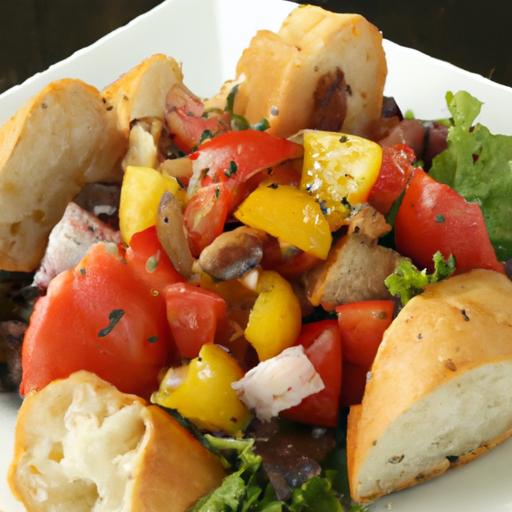



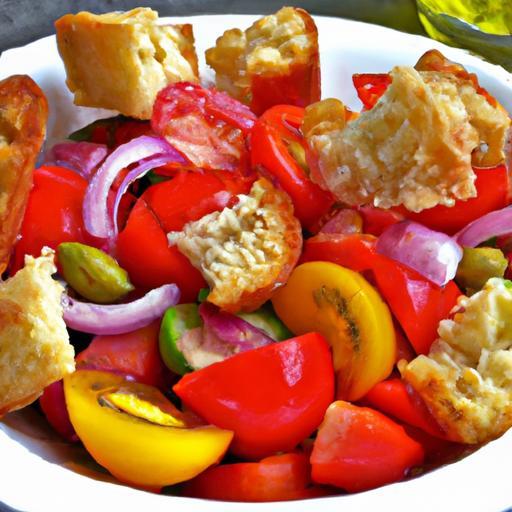
In the heart of Italy’s sun-drenched countryside, where rustic kitchens brim with simple, honest ingredients, a humble salad tells a story of tradition, resourcefulness, and vibrant flavors. Panzanella salad, a colorful medley of day-old bread, ripe tomatoes, fragrant basil, and a splash of tangy vinaigrette, is more than just a dish-it’s a celebration of Italian ingenuity and the joyful embrace of seasonal bounty. This beloved Tuscan classic transforms stale bread into a tasty canvas, absorbing the juices and aromas of fresh produce to create a refreshing, satisfying experience that’s as timeless as the rolling hills it hails from. Join us as we explore the origins, ingredients, and irresistible charm of Panzanella, Italy’s rustic bread and tomato delight.
Panzanella Salad: Italy’s Rustic Bread & Tomato Delight
Panzanella salad is a celebration of simplicity and rustic charm, capturing the essence of Italian summer in every vibrant bite. This humble dish, born from the frugality of Tuscan cooks eager to avoid wasting day-old bread, now stands proudly as a beloved classic. Combining soaked crusty bread with the juiciest garden tomatoes, fragrant basil, and tangy vinaigrette, Panzanella salad bursts with freshness and authenticity. Its history is as rich as its flavors,transporting you straight to the sun-soaked piazzas of Italy’s countryside with each forkful.
Origins and Traditions Behind Panzanella Salad
Panzanella salad traces its roots to the rustic kitchens of Tuscany, where resourcefulness met seasonal abundance. Traditionally enjoyed by farmers,it was a way to transform stale bread into a hearty,refreshing dish amid summer’s peak tomato harvest.The salad is more than just a recipe; it’s a cultural snapshot reflecting Italy’s ethos of “cucina povera” (poor kitchen), where simple, high-quality ingredients speak volumes.
The salad’s composition varies regionally, sometimes including ingredients like cucumbers or red onions, but the spirit remains: fresh, ripe tomatoes, rich crusty bread, and sharp vinaigrette. This dish embodies the Italian tradition of eating seasonally and locally, with every ingredient contributing to a symphony of textures and flavors.
Choosing the Perfect Bread and Tomatoes for Authentic Flavor
Key to an authentic Panzanella salad is selecting the right bread and tomatoes. For the bread, stale Tuscan-style bread or a quality rustic country loaf is ideal. The bread should be sturdy enough to soak up the dressing without disintegrating into mush but still tender inside. Avoid fluffy sandwich bread; it won’t hold up or contribute the needed texture.
When it comes to tomatoes, opt for vibrant, ripe heirlooms or plum tomatoes. Their natural sweetness and firm texture create delightful contrasts alongside the soaked bread. The tomato’s juiciness melds with olive oil and vinegar, forming the salad’s juicy foundation.To maximize flavor, choose tomatoes approaching peak ripeness from a trusted source or local farmers market.
Prep and Cook Time
- Preparation: 20 minutes
- Rest time: 20 minutes (for bread to soak)
- Total: 40 minutes
Yield
Serves 4 as a side or 2-3 as a light main course.
Difficulty Level
Easy – Perfect for beginners yet satisfying for seasoned cooks.
Ingredients
- 4 cups stale rustic bread, cut into 1-inch cubes
- 5 medium ripe heirloom or plum tomatoes, chopped
- 1 small red onion, thinly sliced
- 1 cucumber, peeled and sliced (optional)
- 1 cup fresh basil leaves, torn
- 1/4 cup extra virgin olive oil
- 2 tbsp red wine vinegar
- Salt and freshly ground black pepper, to taste
- 1 clove garlic, crushed (optional)
Step by step Guide to crafting a Vibrant Panzanella Salad
- prepare the bread: Place the rustic bread cubes in a large bowl. If the bread isn’t fully stale, toast lightly in a 350°F oven for 8-10 minutes until crisp but not browned. This ensures it soaks properly while retaining some chewiness.
- Soak the bread: Add 2-3 tablespoons of cold water to the bread cubes to hydrate them.Let rest for 10 minutes, then gently squeeze the bread pieces to release excess water, leaving them moist but not soggy.
- Combine the vegetables: In another large bowl, toss the chopped tomatoes, sliced onion, and cucumber (if using). Sprinkle with a pinch of salt to draw out their juices and enhance flavor. Let sit for 10 minutes.
- Make the dressing: Whisk together the olive oil,red wine vinegar,and crushed garlic (if desired) in a small bowl. Season with salt and pepper to balance acidity and richness.
- Assemble the salad: Add the soaked bread cubes to the tomato mixture. Pour the dressing over the salad and toss gently to combine, allowing the flavors to meld.
- Rest and serve: Let the Panzanella salad rest for at least 10 minutes at room temperature. This step helps the bread absorb the vinaigrette and the flavors meld into a harmonious whole. Just before serving, fold in the torn basil leaves and adjust seasoning if necessary.
Tips for Customizing Your Panzanella to Suit Every Palate
While the classic Panzanella salad is a masterpiece of simplicity, it welcomes personalized touches to match diverse tastes:
- For a peppery kick: Add a handful of arugula or thinly sliced radishes for subtle spice and texture contrast.
- If you like it tangier: increase the red wine vinegar to 3 tablespoons or add a splash of balsamic vinegar for a richer note.
- cheese lover? Top with shards of Pecorino Toscano or crumbled feta to introduce creamy saltiness.
- Protein boost: Toss in grilled chicken or canned chickpeas for a heartier version perfect for lunch or light dinner.
- make ahead: Prepare the bread separately and only combine the fresh tomatoes and herbs just before serving to preserve crunchiness.
Chef’s Notes
The magic of Panzanella is in its balance: bread soaked just enough to mingle with juicy vegetables and a crisp herbaceous finish. If the bread absorbs too much liquid and becomes mushy,reduce soaking time or toast more thoroughly next time. The freshness of tomatoes and basil truly elevates this salad-avoid canned tomatoes or wilted herbs. For best results, let the salad rest so the flavors fuse but serve shortly after to preserve texture.
Serving Suggestions
This vibrant Panzanella salad shines as a refreshing side to grilled seafood, roasted chicken, or simply alongside a chilled glass of Vermentino. Garnish with extra torn basil leaves and drizzle a little more olive oil on top for visual appeal and luscious mouthfeel. for a rustic presentation, serve in a wooden bowl paired with crusty bread on the side to scoop up every delicious morsel.

| Nutrient | Per Serving (4 servings) |
|---|---|
| Calories | 220 kcal |
| Protein | 5 g |
| Carbohydrates | 30 g |
| Fat | 9 g |
For more on rustic Italian cuisine,explore our Rustic Italian Cooking Basics and learn to bring the heart of Italy to your kitchen. Delve deeper into the health benefits of tomatoes and olive oil at Healthline.
Q&A
Q&A: Panzanella Salad – Italy’s Rustic Bread & Tomato Delight
Q1: What is Panzanella salad?
A1: Panzanella is a conventional Tuscan salad that celebrates simplicity and the vibrant flavors of fresh, ripe tomatoes combined with day-old bread. It’s a rustic,refreshing dish that transforms humble ingredients into a symphony of texture and taste.
Q2: Where did Panzanella originate?
A2: This salad hails from the sunny region of Tuscany in Italy, where frugality met flavor. Originally, it was a peasant dish crafted to use up stale bread and seasonal garden produce, creating somthing both practical and delicious.
Q3: What are the key ingredients of Panzanella?
A3: At its heart, Panzanella features soaked stale bread, juicy tomatoes, sweet red onions, fragrant basil, and a good drizzle of tangy olive oil and red wine vinegar. Some variations include cucumbers,capers,or even anchovies-each adding their own character.
Q4: Why is stale bread used instead of fresh bread?
A4: Stale bread is perfect for Panzanella because it soaks up the dressing without turning mushy, lending the salad a fantastic chewy, textured base. Using day-old bread is also a clever nod to lasting cooking, reducing food waste.
Q5: How is Panzanella traditionally prepared?
A5: Traditionally, the bread is torn into chunks and soaked briefly in water, then squeezed dry. It’s tossed with chopped tomatoes, thinly sliced onions, basil leaves, salt, olive oil, and vinegar.The salad is often left to rest, allowing the flavors to marry beautifully before serving.
Q6: When is the best time to enjoy Panzanella?
A6: Panzanella shines brightest in the summertime when tomatoes are at their peak, bursting with sweetness and juiciness. It’s a perfect dish for a light lunch, a picnic treat, or a refreshing side to grilled meats and seafood.
Q7: Can Panzanella be customized or adapted?
A7: Absolutely! The beauty of Panzanella lies in its versatility. Feel free to experiment with different types of bread, add olives for a briny punch, or swap red wine vinegar for balsamic for a sweeter twist. It’s a salad that invites creativity while honoring its rustic roots.
Q8: What makes Panzanella a beloved dish in Italian cuisine?
A8: Panzanella embodies the essence of Italian cooking-using fresh, quality ingredients with minimal fuss to create soulful, satisfying food. It’s both a testament to resourcefulness and a celebration of summer’s bounty, making it a timeless classic.
Key Takeaways
In the heart of italy’s sun-drenched countryside, Panzanella Salad stands as a vibrant testament to the beauty of simplicity and resourcefulness. This rustic medley of stale bread, ripe tomatoes, fresh basil, and a splash of vinegar is more than just a salad-it’s a celebration of tradition, seasonality, and the art of turning humble ingredients into a flavorful feast. Whether served as a light lunch on a warm summer day or as a colorful side to your favourite Italian dishes, Panzanella invites you to savor the essence of Italy’s culinary heritage with every bite.So next time you find yourself with day-old bread and garden-fresh tomatoes, remember: a deliciously authentic Panzanella is just a toss away.