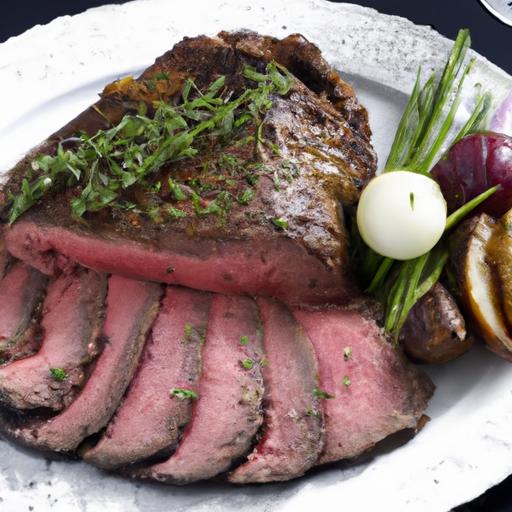
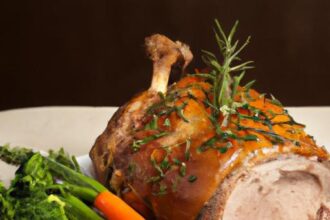


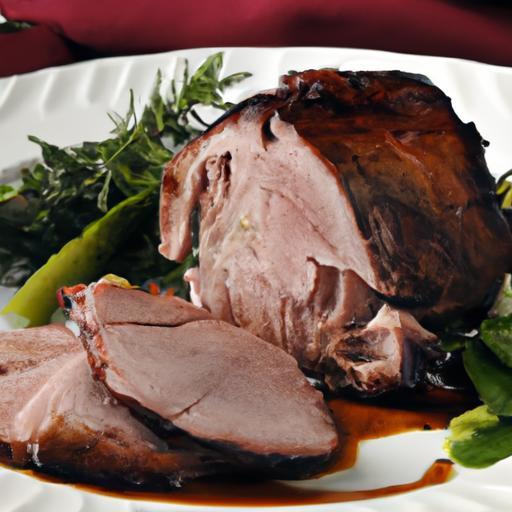
There’s a certain magic to a perfectly cooked prime rib roast – a centerpiece that commands attention with it’s rich aroma, tantalizingly crisp crust, and a tender, juicy interior that melts in your mouth. But achieving this culinary masterpiece is more than just following a recipe; it’s an art and a science woven together. In this article, we’ll pull back the curtain on the secrets to prime rib roast perfection, revealing techniques and tips that transform a simple cut of beef into a flavorful party of savory indulgence. Whether you’re a seasoned home cook or a curious beginner, get ready to elevate your roast game and impress your guests with every succulent, mouthwatering bite.
prime Rib Roast Perfection begins with choosing the right cut to unlock unparalleled juiciness and tenderness that will impress every guest. Selecting a well-marbled prime rib with a vibrant red hue ensures each bite is bursting with rich flavor and buttery softness. Whether you prefer a bone-in standing rib roast or a boneless cut, look for firm yet tender fat deposits that will baste the meat naturally during roasting.
Prep and Cook Time
- Planning: 30 minutes
- Cooking: 2 to 2½ hours (depending on size and desired doneness)
- Resting: 20 to 30 minutes
Yield
Serves 8 to 10 people generously
Difficulty Level
Medium – ideal for home cooks ready to elevate their roasting skills
Ingredients
- 1 (6 to 7 lbs) prime rib roast, bone-in, well-marbled
- 2 tablespoons kosher salt
- 1 tablespoon freshly ground black pepper
- 1 tablespoon garlic powder
- 1 tablespoon fresh rosemary, finely chopped
- 2 teaspoons fresh thyme, finely chopped
- 2 tablespoons olive oil
- 4 cloves garlic, thinly sliced
- 1 cup beef broth (for pan drippings)
Instructions
- Bring the roast to room temperature: Remove your prime rib roast from the refrigerator at least one hour before cooking to ensure even roasting and juiciness throughout the meat.
- Prepare the seasoning rub: Combine kosher salt, black pepper, garlic powder, rosemary, thyme, and olive oil into a fragrant paste. Rub this mixture generously all over the prime rib, massaging the flavor deep into every crevice. Insert thin garlic slices between the bones and into the meat for aromatic depth.
- Preheat your oven to 450°F (230°C): Place the roast on a rack in a roasting pan, fat side up.the initial high temperature sears the meat’s exterior, locking in moisture and creating a lovely crust.
- Sear for 20 minutes: Allow the strong dry heat to form a caramelized outer layer, capturing the prime rib’s natural juices.
- Reduce the oven temperature: Lower heat to 325°F (165°C) and continue roasting until the internal temperature reaches 125°F (52°C) for medium-rare (typically 1½ to 2 hours). Insert a meat thermometer into the thickest part for accuracy.
- Rest the roast: Once pulled from the oven, tent loosely with foil and let rest for 20 to 30 minutes.This crucial step lets juices redistribute, ensuring each slice is moist and tender.
- Carve with care: Using a sharp carving knife, slice into thick, juicy portions, cutting against the grain for maximum tenderness.
- deglaze the pan: Pour off excess fat, then add beef broth to the pan over medium heat, scraping up browned bits to create a luscious au jus to serve alongside your roast.
Chef’s Notes
- For a bold flavor twist, add smoked paprika or mustard powder to your rub.
- Resting is non-negotiable. Skipping it causes juices to spill out, sacrificing tenderness.
- If bone-in isn’t your preference, boneless prime rib roasts also work beautifully but may cook slightly faster.
- For best results, invest in a reliable digital thermometer – accuracy guarantees perfect doneness.
- Make-ahead tip: Seal seasoned roast overnight in the fridge to intensify flavor infusion.
Serving Suggestions
Present succulent slices on a warmed platter, topped with fresh rosemary sprigs and a few coarse sea salt flakes that shimmer like edible jewels. Serve alongside creamy horseradish sauce and roasted root vegetables for a classic feast that feels straight from a gourmet kitchen. Drizzle with pan au jus for added moisture and rich depth of flavor.

| Nutrient | Amount per Serving |
|---|---|
| Calories | 550 kcal |
| Protein | 45 g |
| Carbohydrates | 2 g |
| Fat | 40 g |
For even more insights on preparing stunning roasts at home, check out our Ultimate Roast Beef Guide. To deepen your understanding of beef quality grades and cuts, visit USDA Food Safety and Inspection Service.
Q&A
Q&A: Prime Rib Roast Perfection – Secrets to Juicy, Tender Flavor
Q1: What makes a prime rib roast so special compared to other cuts of beef?
A1: Prime rib roast is the king of beef cuts-a luxurious, marbled slab from the rib section that combines rich flavor with tender, buttery texture. Its intramuscular fat melts during roasting, infusing every bite with juiciness and depth, making it the centerpiece for celebratory feasts.
Q2: How do I select the perfect prime rib roast at the butcher?
A2: Look for a roast with ample marbling-those delicate white streaks of fat woven through the meat. Choose a cut that’s luminous red with a fresh aroma, and ideally, opt for a roast with the bone attached; the bone acts like a natural heat shield, promoting even cooking and added flavor. Aim for USDA Prime grade if possible for unparalleled tenderness.
Q3: Should I season my prime rib roast in advance?
A3: Absolutely! Seasoning early is your best flavor ally. Salt the roast generously at least a few hours, or even overnight, before cooking. This dry brine technique draws moisture out, then reabsorbs it, seasoning the meat deeply and enhancing its natural juices. For an aromatic punch, add garlic, fresh herbs like rosemary and thyme, and cracked black pepper during seasoning.Q4: What’s the secret to getting a juicy, tender interior with a beautifully browned crust?
A4: It’s all about temperature mastery. Start by bringing the roast to room temperature before cooking. Use a high-heat blast at the beginning (450°F/230°C for 15-20 minutes) to sear the exterior and caramelize the crust, then lower the oven to around 325°F (160°C) to roast gently. This two-stage method locks in juices and ensures even cooking. Resist the urge to slice immediately-let the roast rest for 20-30 minutes to allow juices to redistribute.
Q5: How can I tell when my prime rib roast is perfectly cooked?
A5: A reliable meat thermometer is your culinary compass.For medium-rare, pull the roast at an internal temperature of about 125°F (52°C); it will rise to 130-135°F (54-57°C) as it rests. The meat should be tender and juicy, with a rosy pink center. Avoid overcooking, which dries out the beef and sacrifices its signature melt-in-your-mouth texture.Q6: Are there any bonus tips to elevate my prime rib roast experience?
A6: Yes! Consider using an herb butter or horseradish cream alongside your roast for a flavor boost. Also, don’t forget to save the pan drippings-deglaze with red wine or beef broth to craft a rich, savory au jus sauce. pair your masterpiece with classic sides like roasted garlic mashed potatoes and sautéed green beans to round out the feast.
With these secrets unlocked, your prime rib roast will be the stuff of legends-juicy, tender, and bursting with unforgettable flavor every time.Ready to impress? Your prime rib perfection awaits!
In Summary
As you embark on your next culinary adventure, remember that perfecting a prime rib roast is both an art and a science-a harmonious dance of temperature, timing, and seasoning. With these secrets in your arsenal, each slice will unveil layers of juicy tenderness and rich, savory flavor that transform any meal into a memorable feast. Whether you’re impressing guests or treating yourself, mastery over the prime rib roast is a flavorful legacy worth savoring again and again. So, don your apron with confidence, embrace the process, and get ready to carve out moments of pure, mouthwatering perfection.