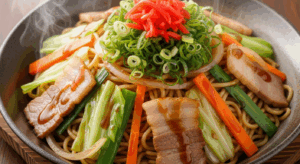

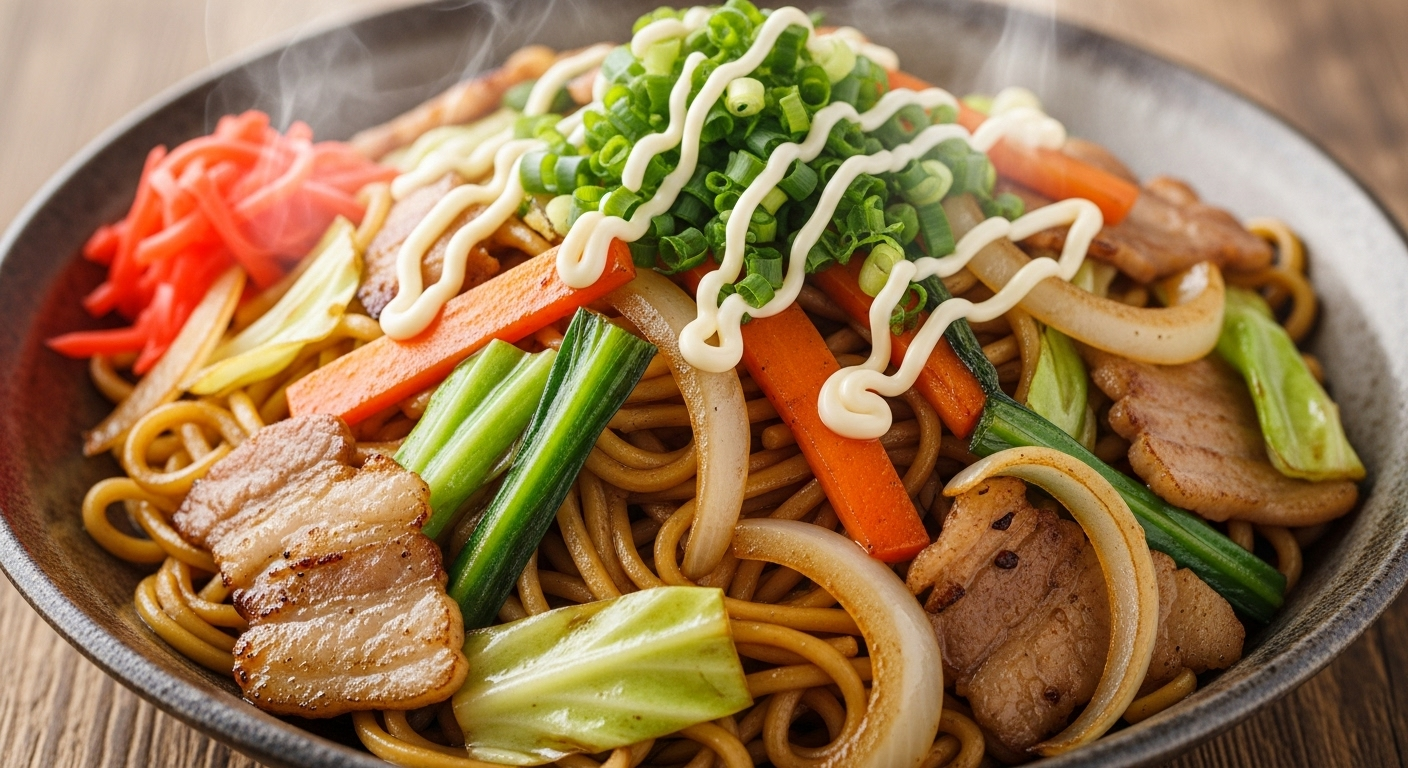
Ther’s something irresistibly nostalgic about the sizzling sound of noodles hitting a hot griddle, the vibrant swirl of colorful vegetables, and the smoky aroma that fills the air-welcome to the world of yakisoba. More than just a street food staple in Japan,yakisoba noodles embody a delightful fusion of textures and flavors that invite both comfort and adventure with every bite. In this complete guide, we’ll unravel the secrets behind this beloved dish-from its humble origins and essential ingredients to expert cooking tips and inspired variations. Whether you’re a seasoned foodie or a curious beginner, get ready to savor the flavor of yakisoba and bring a taste of Japanese street cuisine right into your kitchen.
Savor the flavor of authentic yakisoba begins with selecting the ideal noodles and ingredients that bring this beloved Japanese street food to life. Originating from post-war Japan as an affordable, comforting dish, yakisoba’s appeal lies in its balance of textures, savory-sweet sauce, and the vibrant medley of fresh vegetables and proteins. Whether you’re a seasoned home cook or a culinary adventurer, mastering the nuances of noodles, stir-frying techniques, and sauce preparation guarantees an irresistible feast that embodies the essence of Japanese comfort cuisine.
Prep and Cook Time
- Preparation: 15 minutes
- Cooking: 12 minutes
- Total: 27 minutes
Yield
Serves 4 generous portions
Difficulty Level
Medium – Perfect for home cooks ready to elevate thier stir-fry skills
Ingredients
- 400g fresh yakisoba noodles (pre-steamed, available at Asian markets or substitute with fresh ramen noodles)
- 200g thinly sliced pork belly or chicken thigh, cut into bite-sized strips
- 1 medium carrot, julienned
- 1 small green cabbage, shredded (about 2 cups packed)
- 1 small onion, thinly sliced
- 2 green onions, chopped diagonally
- 1 tbsp vegetable oil (neutral oil such as canola or sunflower)
- 1 tbsp toasted sesame oil (for finishing)
- 2 tsp freshly grated ginger
- 2 garlic cloves, minced
- Optional toppings: pickled ginger (beni shoga), aonori (dried seaweed flakes), toasted sesame seeds, Japanese mayonnaise
- Yakisoba Sauce:
- 3 tbsp Worcestershire sauce (preferably Japanese brand like Bulldog)
- 2 tbsp ketchup
- 1 tbsp soy sauce
- 1 tbsp oyster sauce
- 1 tsp sugar
Instructions
- Prepare the noodles: If using fresh yakisoba noodles, loosen them gently in warm water for 1-2 minutes to seperate strands. Drain well and set aside to avoid sogginess.
- Mix the yakisoba sauce: In a small bowl, combine Worcestershire sauce, ketchup, soy sauce, oyster sauce, and sugar.Stir until sugar dissolves and set aside.
- Heat your wok or large skillet: Add vegetable oil over medium-high heat. Once shimmering, sauté garlic and ginger until fragrant, about 30 seconds.
- Add protein: Toss in sliced pork or chicken strips. Stir-fry until just cooked through and lightly browned, about 4-5 minutes.
- Incorporate vegetables: Add onion, carrot, and cabbage. stir-fry vigorously for 3-4 minutes, allowing the cabbage to wilt but maintain its slight crunch.
- Toss in the noodles: add the drained noodles to the wok. Using tongs, gently separate and combine with the meat and vegetables. Toss to warm through for 2 minutes.
- Add the yakisoba sauce: pour the prepared sauce evenly over the noodle mixture. Toss continuously to coat every strand and ingredient, cooking for another 2 minutes until the sauce is thickened and glossy.
- Finish with sesame oil and green onions: Drizzle toasted sesame oil and sprinkle chopped green onions. Give a final toss, then instantly remove from heat to preserve vibrant flavors.
Tips for Success
- Using fresh or refrigerated yakisoba noodles is key for authentic texture; if only dried noodles are available, cook slightly less than package instructions to prevent mushiness during stir-frying.
- Don’t overcrowd the pan-overloading reduces heat and causes steaming instead of searing. Cook in batches if needed.
- For a vegetarian version, substitute protein with firm tofu or shiitake mushrooms and use a vegetarian oyster sauce alternative.
- Make the sauce in advance to let flavors meld; leftover sauce keeps well refrigerated for up to a week.
- To avoid clumpy noodles, toss with a small amount of oil before cooking, and stir-fry on high heat for that signature slightly crispy bite.
Serving Suggestions
Plate the yakisoba generously on warm ceramic dishes, garnishing with pickled ginger for a punch of acidity and aonori flakes for that umami green kiss. A light drizzle of Japanese mayonnaise adds a creamy counterpoint that many adore. Serve alongside a chilled glass of iced green tea or a cold Japanese lager to complete the experience.
| Nutrient | Per Serving |
|---|---|
| Calories | 420 kcal |
| Protein | 23g |
| Carbohydrates | 48g |
| Fat | 12g |

Craving more Japanese delights? check out our guide on mastering ramen at home for another noodles adventure. For a deep dive into Japanese seasoning fundamentals, Japanese Cooking 101 offers invaluable insights into flavor profiles that can elevate your yakisoba and beyond.
Q&A
Q&A: Savor the Flavor – A Complete Guide to Yakisoba Noodles
Q1: What exactly is Yakisoba?
A1: Yakisoba, often translated as “fried noodles,” is a beloved Japanese street food featuring stir-fried wheat noodles tossed with vegetables, meat, and a savory-sweet sauce. Despite the name “soba,” these noodles aren’t made from buckwheat but rather from wheat flour, giving them a delightfully chewy texture.
Q2: Where did Yakisoba originate?
A2: Yakisoba’s roots trace back to early 20th-century Japan,inspired by Chinese fried noodle dishes. Over time, it evolved uniquely within Japanese cuisine, becoming a festival staple and a comfort food found in homes and bustling street stalls alike.
Q3: What ingredients make the perfect Yakisoba?
A3: The magic of Yakisoba lies in the harmonious blend of stir-fried vegetables like cabbage, carrots, and bean sprouts, thinly sliced pork or chicken, and the star of the show – the Yakisoba sauce. This sauce combines Worcestershire sauce, soy sauce, oyster sauce, and a hint of sweetness, creating a symphony of umami flavors.
Q4: Can Yakisoba be vegetarian or vegan?
A4: Absolutely! Swap out meat for tofu, mushrooms, or tempeh, and ensure your sauce avoids fish-based ingredients like oyster sauce. There are tasty plant-based variations that retain the hearty, satisfying taste of traditional Yakisoba.
Q5: How do you cook Yakisoba noodles perfectly?
A5: Rapid stir-frying is key. First, gently separate the pre-steamed Yakisoba noodles to avoid clumps, then cook them in a hot pan with oil just until they’re tender and slightly browned. This technique locks in texture and allows the sauce to coat every strand.
Q6: What makes Yakisoba sauce so special?
A6: Yakisoba sauce is a secret blend of sweet, tangy, and savory notes. Its ingredients often include Worcestershire sauce, ketchup, soy sauce, and sometimes a dash of honey or mirin – balanced just right to give that irresistible depth of flavor that sings in every bite.
Q7: Are there regional variations of Yakisoba?
A7: Yes! Different regions in Japan add their own twist. For example, hiroshima-style Yakisoba might include a fried egg on top, while some places toss in seafood or use sweeter sauces. Each variation reflects local tastes and ingredients, offering unique experiences.
Q8: How can beginners start making Yakisoba at home?
A8: Start with store-bought Yakisoba noodles and pre-made Yakisoba sauce for convenience. Stir-fry your favorite veggies and protein, toss everything together, and don’t forget toppings like pickled ginger (beni shoga) and aonori seaweed for an authentic finish.
Q9: What are some popular Yakisoba toppings?
A9: To elevate Yakisoba, try sprinkling pickled ginger for a zingy contrast, dried seaweed flakes (aonori) for an oceanic aroma, bonito flakes (katsuobushi) for smoky depth, or Japanese mayonnaise for creamy richness.These toppings add layers of texture and flavor.
Q10: Why is Yakisoba so beloved in Japanese culture?
A10: Yakisoba embodies comfort, celebration, and community. Whether enjoyed at lively matsuri festivals, neighborhood cookouts, or family dinners, its quick preparation and hearty flavors make it a dish that brings people together – a delicious taste of joyful simplicity.
By diving into these questions, you’re now ready to fully savor the vibrant flavors and cultural richness of Yakisoba noodles. Whether you’re cooking your first batch or experimenting with new twists, Yakisoba promises a tasty journey in every forkful!
in Retrospect
As the final sizzle fades from the pan and the enticing aroma of yakisoba settles, you now hold the key to crafting this beloved Japanese street food in your own kitchen. From mastering the perfect noodle texture to balancing savory, sweet, and tangy flavors, yakisoba is more than a dish-it’s a vibrant celebration of culture and creativity on a plate. Whether you’re a seasoned cook or an adventurous foodie, savoring yakisoba opens a doorway to endless variations and delicious memories. So go ahead, grab your wok, gather your favorite ingredients, and let each bite transport you to the bustling streets of japan, where every mouthful tells a story. Your yakisoba journey starts now-happy cooking and even happier eating!