

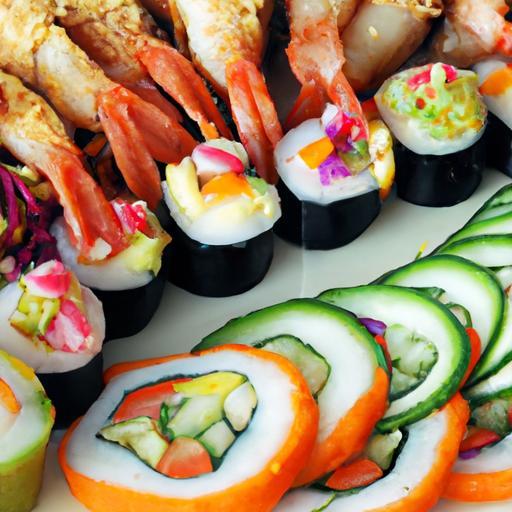
In the vibrant world of global cuisine, few dishes captivate the senses quite like sushi. Beyond it’s delicate presentation lies a rich tapestry of flavors, textures, and traditions waiting to be discovered. From the silky slices of fresh sashimi to the adventurous rolls bursting with inventive fillings, sushi offers an remarkable journey for both the palate and the imagination. Join us as we dive into the delicious varieties of sushi,exploring the artistry and flavors that make this Japanese culinary treasure a beloved favourite around the world.Savor the flavors and unlock the secrets behind every bite!
Savor the Flavors as you dive into the captivating world of sushi, where every roll and piece tells a story of tradition, precision, and artistry. Rooted deeply in Japanese culture, sushi has evolved far beyond simple vinegared rice and raw fish, becoming a global culinary phenomenon that delights both the eyes and palate.
Prep and Cook Time
- Readiness: 40 minutes
- Cooking (rice): 20 minutes
- Total Time: 1 hour
Yield
Serves 4 sushi enthusiasts (approximately 16 pieces)
Difficulty Level
Medium – perfect for passionate home cooks ready to master sushi crafting techniques
Ingredients
- 2 cups sushi rice (short-grain Japanese rice)
- 2 1/2 cups water for cooking rice
- 1/4 cup rice vinegar
- 2 tablespoons sugar
- 1 teaspoon salt
- 4 sheets nori (seaweed)
- 200g fresh sashimi-grade tuna, thinly sliced
- 200g fresh sashimi-grade salmon, thinly sliced
- 1 cucumber, julienned
- 1 avocado, sliced thinly
- 2 tablespoons toasted sesame seeds
- Soy sauce, for serving
- Pickled ginger and wasabi, for garnish
- Bamboo sushi rolling mat, wrapped with plastic wrap
Instructions
- Rinse the sushi rice under cold water until the water runs clear to remove excess starch. Drain well.
- Cook the rice: Combine rinsed rice and 2 1/2 cups water in a rice cooker or pot. Bring to boil, then reduce heat to low and cover. Cook for 18 minutes, then remove from heat and let steam covered for 10 more minutes.
- Prepare the sushi vinegar: While the rice cooks, combine rice vinegar, sugar, and salt in a small saucepan. warm gently, stirring until sugar dissolves. Cool to room temperature.
- Transfer hot rice to a large wooden or plastic bowl (avoid metal), gently folding in the sushi vinegar using a wooden spatula. Fan the rice together to cool it quickly and create a glossy finish. This step is crucial for perfect sushi rice texture.
- Prepare fillings: Slice fresh tuna, salmon, cucumber, and avocado into uniform pieces for consistency in every bite.
- Roll your Maki sushi: Place a bamboo mat on a clean surface. Lay one nori sheet shiny side down. Wet your fingers and spread ~3/4 cup of rice evenly over the nori, leaving a 1-inch border at the top.
- Arrange fillings in a thin line along the bottom edge of the rice – choose combinations like tuna with avocado or salmon with cucumber.
- Roll carefully: Lift the bamboo mat, tightly roll the sushi forward over the fillings. Squeeze gently but firmly to shape the roll. Repeat for remaining sheets.
- Slice rolls: Using a very sharp, wet knife, cut each roll into 6-8 equal pieces. Clean the knife between cuts to preserve neat edges.
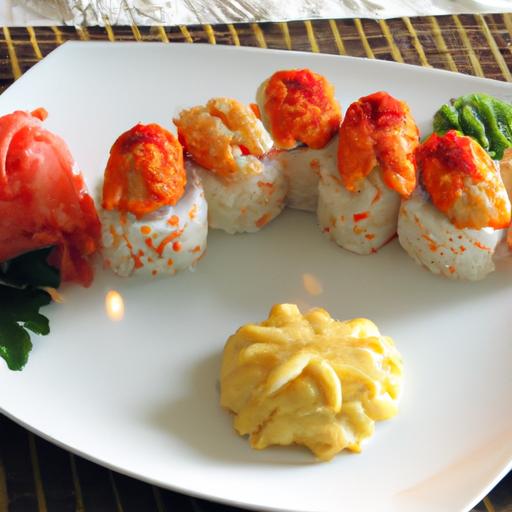
- Make Nigiri: wet hands, form small oblong rice mounds. Press fish slices atop each mound gently so they adhere without squashing the rice.
- Garnish and serve: Sprinkle rolls with toasted sesame seeds. Plate with soy sauce, pickled ginger, and a dab of wasabi for a classic presentation.
Chef’s Notes & Tips for Success
- Use fresh, sashimi-grade fish from trusted sources for safety and best texture.
- Perfect sushi rice is slightly sticky but separate-avoid overmixing or compressing the rice.
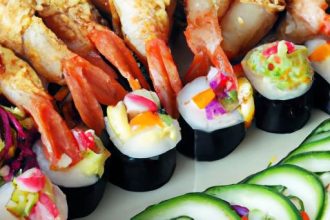
- Experiment with fillings like tempura shrimp, crab, or vegetable tempura to create signature rolls.
- To speed up sushi-making, precook and chill your rice vinegar mixture and fillings.
- If rolling feels difficult, try practicing with cucumber first to get pleasant with the bamboo mat technique.
- For a vegan twist, substitute fish with marinated mushrooms or grilled tofu strips.
Serving Suggestions
Present sushi on a sleek wooden board or ceramic platter accented with vibrant edible flowers or microgreens. Offer small dipping dishes of soy sauce mixed with a touch of lemon or yuzu for a citrusy flair. Include crunchy tempura flakes as an optional topping for added texture contrast. Pair your sushi feast with chilled sake or a crisp,aromatic white wine-each sip a perfect complement to the delicate flavors.
| Nutrient | Per Serving |
|---|---|
| Calories | 280 kcal |
| Protein | 22 g |
| carbohydrates | 32 g |
| Fat | 6 g |

Discover More Culinary Arts
To deepen your expertise on rice preparations, check out our detailed guide on perfect rice Cooking Techniques. For additional insight into seafood safety and sourcing, visit the FDA Seafood Safety Guidelines.
Q&A
Q&A: Savor the Flavors – Exploring Delicious Sushi Varieties
Q1: What makes sushi such a beloved dish around the world?
A1: Sushi is a harmonious blend of simplicity and artistry-fresh, delicate ingredients combined with skillful preparation. Its balance of flavors, textures, and the vibrant presentation invite both the eyes and palate to indulge. From the tender chew of vinegared rice to the burst of fresh fish or vegetables, sushi offers a dynamic dining experience that’s both satisfying and elegant.
Q2: How did sushi evolve into the varieties we enjoy today?
A2: originating in Southeast Asia as a method of preserving fish with fermented rice, sushi transformed in Japan over centuries. Modern sushi, featuring fresh fish on vinegared rice, began developing during the Edo period. Today, global influences and creative chefs have expanded sushi repertoire beyond traditional nigiri and maki, introducing innovations like rolls filled with tropical fruits, tempura-fried creations, and even vegetarian masterpieces.
Q3: What are some popular types of sushi that beginners should try?
A3: For sushi newcomers, starting with the classics is key. Nigiri sushi-slices of fresh fish atop seasoned rice-offers a pure taste of high-quality seafood. California rolls, with avocado, crab, and cucumber, are flavorful yet approachable. Also, try simple maki rolls (seaweed wrapped rice and fillings) with familiar ingredients like tuna or cucumber to ease into the variety of textures and flavors.
Q4: Are there sushi varieties that cater to vegetarians or those avoiding raw fish?
A4: Absolutely! Vegetarian sushi is a vibrant category featuring ingredients like pickled radish,avocado,cucumber,sweet potato,mushrooms,and even tofu. Inari sushi, which uses sweet marinated tofu pouches filled with rice, is a delightful option. Many restaurants also offer cooked fish rolls or tempura vegetables, making sushi accessible to all palates.
Q5: How do sushi chefs balance tradition with innovation?
A5: Sushi chefs hold a deep respect for tradition, mastering fundamental skills like preparing perfect rice and slicing fish with precision. Yet, they also embrace innovation, experimenting with new ingredients, flavor profiles, and presentation styles. This delicate dance between honoring heritage and pushing culinary boundaries keeps sushi vibrant, exciting, and continually evolving.
Q6: What should one keep in mind to fully savor sushi?
A6: To truly savor sushi, engage all your senses. Observe the colors and craftsmanship, appreciate the subtle aroma of fresh fish and seaweed, and note the texture contrasts between tender fish, firm rice, and crunchy vegetables. Use soy sauce sparingly, dip fish side down to avoid overwhelming the rice, and savor wasabi and pickled ginger as palate cleansers. Mindful eating makes each bite a meditative pleasure.
Q7: Can sushi varieties vary by region?
A7: Yes! Regional styles highlight local flavors and traditions.For example, Osaka’s pressed sushi (oshizushi) shapes rice and fish into neat blocks, while northern Japan favors hearty, robust crab and salmon variants. In Western countries,innovative rolls might include cream cheese or spicy mayo. Exploring these regional twists offers a rich journey into the sushi world’s diversity.
Q8: What’s the best way to experience sushi beyond just eating it?
A8: Dive into sushi culture by visiting a traditional sushi bar where you can watch chefs craft pieces by hand, engage with their stories, and learn about ingredient origins. Participating in sushi-making workshops can deepen thankfulness for this culinary art. Reading about sushi history, pairing sushi with sake or green tea, and exploring sushi etiquette all enhance the experience beyond the plate.
Embarking on a sushi adventure opens a world of flavors, textures, and stories. Whether you favor classic simplicity or crave inventive twists, sushi invites you to savor each bite-and discover the delicious tapestry woven into every roll and slice.
In Retrospect
As we conclude our flavorful journey through the diverse world of sushi, it’s clear that this beloved cuisine offers far more than just a meal-it’s an artful expression of culture, tradition, and innovation. From the delicate simplicity of nigiri to the bold creativity of fusion rolls, each variety invites you to savor unique textures and tastes that tell a story with every bite.Whether your a seasoned sushi enthusiast or a curious newcomer, embracing these delicious varieties opens the door to endless culinary adventures. So next time you find yourself craving something fresh and exciting, remember: the world of sushi is waiting to be explored, one delectable piece at a time.