


In a world bursting with bold flavors and colorful cuisines, few dishes capture the heart and palate quite like vegetable korma. This rich, aromatic curry weaves together a symphony of spices and creamy textures, transforming humble vegetables into a feast fit for royalty. Whether you’re a seasoned foodie or a curious newcomer to Indian cooking, “Savor the Spice: A Tasty Guide to Vegetable Korma” invites you on a culinary journey that celebrates tradition, warmth, and the magic of expertly balanced flavors. prepare to unlock the secrets behind this beloved dish, and discover how to bring its comforting, fragrant charm right to your own kitchen.
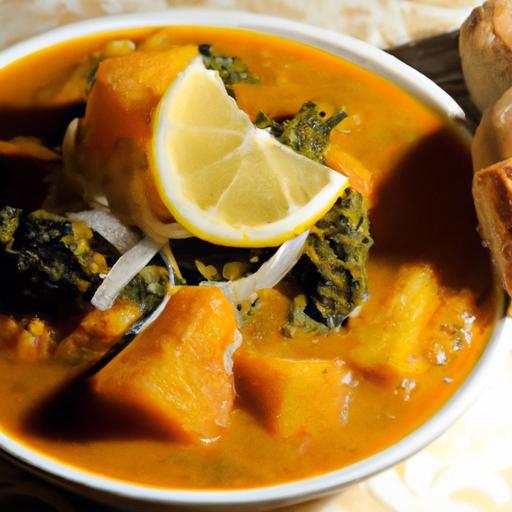
Savor the spice with a rich Vegetable Korma that invites you on a fragrant journey through an aromatic symphony of spices and fresh, vibrant vegetables. This dish,deeply rooted in Indian culinary traditions,offers a luscious blend of textures and flavors,layered with a creamy coconut and cashew sauce crafted from scratch. The magic of korma lies not only in its delicate balance of spice and sweetness but also in the thoughtful selection of vegetables that create a colorful and satisfying experience in every bite.
Prep and Cook Time
- Preparation: 20 minutes
- Cooking: 35 minutes
- Total time: 55 minutes
Yield
Serves 4 generous portions
Difficulty Level
medium – Perfect for home cooks looking to expand their spice repertoire with confidence
Ingredients
- 2 tbsp vegetable oil
- 1 tsp cumin seeds
- 1 large onion, finely chopped
- 2 cloves garlic, minced
- 1-inch piece fresh ginger, grated
- 1 green chili, finely sliced (optional for heat)
- 1 tsp turmeric powder
- 1 tbsp coriander powder
- 1 tsp garam masala
- 1/2 tsp ground cinnamon
- 1/4 tsp ground cardamom
- 1 cup raw cashew nuts, soaked for 30 minutes
- 1 1/4 cups coconut milk (full fat for creaminess)
- 1 medium potato, peeled and chopped into bite-sized pieces
- 1 cup cauliflower florets
- 1 cup green beans, trimmed and halved
- 1 carrot, sliced thinly
- 1/2 cup peas (fresh or frozen)
- 1 tsp sugar
- Salt to taste
- Fresh cilantro for garnish
- 1 tbsp lemon juice
Instructions
- Prepare the cashew-coconut sauce: Drain soaked cashews and blend with coconut milk until smooth and creamy.Set aside.
- Toast the spices: Heat oil in a heavy-bottomed pan over medium heat. Add cumin seeds and sauté until they start to pop, about 1 minute.
- Sauté aromatics: Add chopped onions and cook until golden brown, about 7-8 minutes, stirring frequently to prevent burning.
- Add ginger, garlic, and chili: Stir in minced garlic, grated ginger, and sliced chili.Cook for 2 minutes until fragrant.
- Introduce dry spices: Sprinkle turmeric, coriander, garam masala, cinnamon, and cardamom. Stir for 1-2 minutes to toast the spices lightly without burning.
- Add vegetables: Toss in potatoes, cauliflower, green beans, carrot, and peas. Sauté them gently for 3-4 minutes to coat in the aromatic spice mixture.
- pour in the sauce: Slowly add the cashew-coconut mixture along with 1/2 cup of water to desired consistency. Stir well and bring to a gentle simmer.
- Simmer to perfection: Cover and cook on low heat for 20-25 minutes or until vegetables are tender but still vibrant. Stir occasionally to prevent sticking.
- Balance flavors: Add sugar and salt to taste, then finish with fresh lemon juice to brighten the richness.
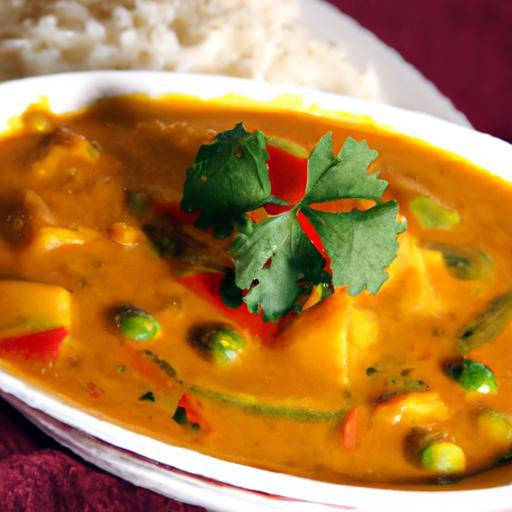
- Garnish and serve: Sprinkle chopped cilantro on top and serve hot with steamed basmati rice or warm naan for the ultimate aromatic experience.
Tips for Success
- Opt for fresh, firm vegetables to maintain texture and color throughout cooking.
- Soaking cashews ensures a smooth, creamy sauce-don’t skip this step.
- Adjust the spice level by varying the amount of green chili or garam masala.
- For a vegan version, ensure the naan bread is dairy-free or serve with fragrant rice.
- Make-ahead tip: The korma tastes even better the next day as flavors deepen-store in an airtight container in the fridge for up to 3 days.
Serving Suggestions
Present this vibrant Vegetable Korma in a wide shallow bowl to showcase its colorful medley. Garnish with fresh cilantro leaves and a few toasted cashews for an added crunchy contrast. Pair it with steamed basmati rice, fragrant with a hint of saffron, or warm, buttery naan bread for scooping. A side of cooling cucumber raita or a crisp salad balances the rich, creamy sauce beautifully, creating a feast both soothing and exciting for the palate.
| Nutrient | Per Serving |
|---|---|
| Calories | 320 kcal |
| Protein | 8g |
| Carbohydrates | 35g |
| Fat | 18g |
Discover more authentic curry recipes.
For in-depth spice blending techniques,visit the MasterClass guide on Indian spices.

Q&A
Q&A: Savor the Spice – A Delicious Guide to Vegetable Korma
Q1: What is Vegetable korma, and why is it so beloved?
A: Vegetable korma is a rich, creamy curry bursting with a symphony of spices and fresh vegetables. rooted in Mughlai cuisine, it combines the luxuriousness of coconut milk or yogurt with an aromatic blend of cardamom, cloves, and cinnamon. It’s beloved for its comforting warmth,velvety texture,and ability to celebrate a colorful bounty of vegetables in every bite.
Q2: Which vegetables work best in a Vegetable Korma?
A: The beauty of vegetable Korma lies in its versatility! Classic choices include potatoes, carrots, peas, cauliflower, and green beans. For added texture and flavor, try adding bell peppers, baby corn, or even paneer (Indian cottage cheese). The key is to choose vegetables that soak up the sauce while retaining a slight bite to offer a delightful contrast.
Q3: How do the spices in Vegetable Korma come together to create its distinct flavor?
A: The magic unfolds as spices gently toast and bloom in oil or ghee, releasing their fragrant oils.Traditional spices like cardamom, cinnamon, cloves, coriander, and cumin mingle with creamy elements like cashew paste or yogurt, balancing heat and sweetness.The result is a nuanced tapestry of warm, floral, and slightly sweet notes that envelop every morsel in an enticing hug.
Q4: What are some tips for making a perfectly creamy and flavorful Vegetable Korma at home?
A: Start by toasting your whole spices to awaken their aroma. Use cashew or almond paste to enrich the gravy without overpowering the spices. Simmer vegetables gently to preserve their shape and taste. Don’t rush the sautéing of onions and garlic-they form the flavor base. adjust seasoning thoughtfully; a pinch of sugar or a squeeze of lime can brighten the dish beautifully.
Q5: Can Vegetable Korma be made vegan or gluten-free?
A: Absolutely! Swap yogurt or cream with coconut milk or almond milk to keep the creaminess intact without dairy.Most korma recipes are naturally gluten-free, but always check spice blends and condiments to ensure no hidden gluten.This adaptability makes vegetable Korma a welcome guest at all kinds of tables.
Q6: What are the best pairings to serve alongside Vegetable Korma?
A: Vegetable Korma shines next to fluffy basmati rice or soft, buttery naan bread-perfect for scooping up every drop of that luscious sauce. A simple cucumber raita or fresh green salad can add a refreshing counterpoint, balancing the rich spice with cool, crisp notes.
Q7: How does Vegetable Korma fit into a broader Indian feast?
A: As a mild yet aromatic curry, Vegetable Korma frequently enough takes center stage in celebratory meals, offering a mellow but indulgent contrast to spicier dishes like vindaloo or tikka masala.It also complements tandoori items beautifully, providing a creamy respite across the spice spectrum, making the meal a harmonious melody of flavors.
Q8: what’s the cultural importance of Korma in Indian cuisine?
A: korma traces its origins back to royal kitchens, where chefs crafted lavish dishes to impress emperors and guests. It epitomizes the art of slow cooking and intricate layering of spices, embodying hospitality, luxury, and the rich culinary heritage of India. Vegetable Korma brings this noble tradition to the table in a way that’s accessible and nourishing for all.
Savoring a plate of Vegetable Korma is like taking a journey through spice markets, royal kitchens, and vibrant gardens-all at once. This Q&A hopefully fuels your curiosity and kitchen creativity as you dive into this deliciously fragrant world!
Concluding remarks
As the final aromatic notes of your vegetable korma linger on the palate, it’s clear that this dish is more then just a meal-it’s a festivity of spices, colors, and textures harmonizing in every bite. Whether you’re a kitchen novice or a seasoned home cook, embracing the art of korma invites you to explore a world where fragrant spices transform humble vegetables into a comforting feast. So next time you seek a dish that warms the heart and dazzles the taste buds, remember: savoring the spice in vegetable korma is not just dining-it’s an experience waiting to unfold.