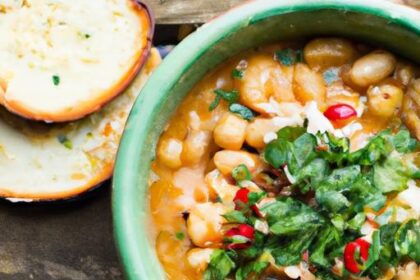



Nestled within the vibrant tapestry of Peruvian cuisine lies a dish that is as rich in history as it is in flavor-Tacu Tacu. Traditionally crafted from humble ingredients like rice and beans, this comforting staple has evolved into a beloved symbol of culinary ingenuity and cultural pride. Today, the vegetarian version of Tacu Tacu invites food lovers on a memorable journey through Peru’s lush landscapes and diverse heritage, blending simple, wholesome ingredients into a harmonious, savory delight. Join us as we explore the origins, preparation, and irresistible taste of this flavorful tradition that continues to captivate palates around the world.
Savor Vegetarian Peruvian Tacu Tacu invites you into a world of rich culinary heritage that begins with humble ingredients and culminates in a sensational plate bursting with bold flavors and textures. This beloved Peruvian dish originates from Afro-Peruvian communities, traditionally crafted as a clever way to repurpose leftover rice and beans into a golden, crispy patty. Over time, it has evolved into a versatile, comforting staple featured across Peru’s diverse food scene. My earliest memory of tacu tacu was savoring it at a bustling street market in Lima-each bite was a harmonious dance between creamy beans and a crunchy exterior, offering the perfect marriage of simplicity and depth.
Prep and Cook Time
- Preparation: 15 minutes
- Cooking: 30 minutes
- Total Time: 45 minutes
Yield
Serves 4 hearty portions
Difficulty Level
Medium – approachable for adventurous home cooks eager to master Peruvian flavors
Key Ingredients That Elevate the Flavor Profile
- 1 cup cooked brown rice - provides a nutty foundation with wholesome texture
- 1 cup canned or cooked Peruvian canary beans (or substitute with pinto/cranberry beans) – the creamy heart of the dish
- 1 small red onion, finely chopped – imparts mild sweetness and crunch
- 2 cloves garlic, minced - layers bold aroma and depth
- 1 fresh ají amarillo pepper (or yellow bell pepper), sliced - adds subtle heat and vibrant color
- 2 tablespoons olive oil – for sautéing and achieving the signature crust
- 1 teaspoon ground cumin – delivers a warm, earthy spice
- Fresh cilantro, chopped – brightens and freshens
- Salt and black pepper to taste
- 1 tablespoon vegetable broth or water – to bind ingredients gently
- Optional: ¼ cup diced red bell pepper for additional sweetness and color contrast
Crafting the Perfect Vegetarian Tacu Tacu at home
- Prepare the base mixture: In a medium bowl, mash the cooked beans with a fork or potato masher until mostly smooth but still slightly chunky. Stir in the cooked rice until fully combined, creating a thick, sticky mixture.
- Sauté aromatics: Heat 1 tablespoon of olive oil in a skillet over medium heat. Add finely chopped red onion, minced garlic, and sliced ají amarillo. Sauté until fragrant and soft, about 5 minutes. Incorporate the ground cumin and cook another minute to toast the spices.
- Combine flavors: Stir the sautéed mixture into the rice and beans base.Add the vegetable broth slowly to ensure the mixture holds together but remains moist. Season generously with salt, black pepper, and stir in chopped cilantro.
- Form patties: divide the tacu tacu mixture into 4 equal portions. Using damp hands, shape each portion into a flat, oval patty approximately ½ inch thick. This shape encourages even, crispy cooking.
- Cook to perfection: Return the skillet to medium heat and add the remaining tablespoon of olive oil. Place patties gently into the skillet and cook undisturbed for 5-7 minutes until a golden-brown crust forms on the underside. Carefully flip and brown the other side, pressing lightly with a spatula to ensure contact with the pan. Cook another 5 minutes until heated through and crisp on both sides.
- Serve immediately: Transfer to a warm plate and garnish as desired.
Tips for Success
- Texture balance: Ensure your rice is cooked and cooled before mixing; day-old rice works best to avoid sogginess.
- Binding: The vegetable broth or water is a subtle but crucial moisture addition-too much will make patties fall apart, too little and they’ll crumble.
- heat control: Moderate heat is key. High heat risks burning the patty’s exterior before the center warms through.
- Make-ahead: Prepare patties in advance and refrigerate for 30 minutes to firm up before cooking, which helps them hold their shape.
- Variations: Add finely chopped kimchi for fusion flair or crumble queso fresco over the top for creaminess.
Serving Suggestions
Vegetarian tacu tacu is best enjoyed hot, paired with a vibrant ají verde sauce for a fresh, spicy kick or a cooling yogurt-cilantro dressing. Garnish with fresh cilantro sprigs,thinly sliced red onions pickled in lime juice,and a wedge of lime for squeezing. For a complete meal, consider serving alongside a colorful Peruvian quinoa salad or a side of sautéed greens. A crisp white wine or a cold chicha morada (purple corn drink) beautifully complements the dish’s earthy and zesty notes.

Nutritional Information (per serving)
| Nutrient | Amount |
|---|---|
| Calories | 320 kcal |
| Protein | 10 g |
| Carbohydrates | 50 g |
| Fat | 8 g |
| Fiber | 8 g |
Discover more authentic Peruvian flavors in our Peruvian Food Network-a trusted source dedicated to exploring the depth of local ingredients and tradition for passionate food lovers.
Q&A
Q&A: savor Vegetarian Peruvian Tacu Tacu – A Flavorful Tradition
Q: What is Tacu Tacu, and why is it considered a Peruvian classic?
A: Tacu Tacu is a beloved Peruvian dish with roots tracing back to Afro-Peruvian culture. Traditionally, it’s a savory fried patty made from a mixture of leftover rice and beans, seasoned and pan-fried to crispy perfection.It’s cherished for its resourcefulness and rich, comforting flavors-a true reflection of Peru’s vibrant culinary heritage.
Q: How does vegetarian Tacu Tacu differ from the conventional version?
A: While traditional Tacu Tacu often includes meat or seafood toppings, vegetarian Tacu Tacu stays true to the base of rice and beans but is paired with vegetarian-friendly accompaniments-like sautéed vegetables, avocado, or a fresh salad-making it both hearty and plant-based without compromising on flavor or texture.
Q: What makes the combination of rice and beans so special in Tacu Tacu?
A: The magic lies in simplicity and harmony.Rice provides a neutral, fluffy canvas while beans deliver a creamy, earthy punch. When combined and pan-fried, they create a delectably crispy exterior with a soft, flavorful inside-showcasing a fusion of textures that’s deeply satisfying.
Q: Can you describe the flavors one can expect when tasting vegetarian Tacu Tacu?
A: Expect a dance of smoky, savory, and slightly spicy notes infused from garlic, cumin, and aji amarillo (Peruvian yellow chili pepper). The beans add a natural sweetness, while the rice balances it all, culminating in a dish that’s both comforting and exciting. Toppings like sautéed peppers or fresh cilantro brighten each bite, elevating the tradition.Q: Why is vegetarian Tacu Tacu gaining popularity today?
A: As more peopel seek plant-based options without sacrificing cultural authenticity, vegetarian Tacu Tacu offers a flavorful and nutritious way to explore Peruvian cuisine. It honors tradition, reduces food waste by using leftovers, and fits seamlessly into modern diets focused on sustainability and mindful eating.
Q: How can someone make vegetarian Tacu Tacu at home?
A: Start with cooked rice and beans-preferably ajiaco beans or black beans-mix them with finely chopped onions, garlic, cumin, salt, and pepper. Form into patties and fry in a hot pan with oil until golden and crispy. Serve with your favorite veggie toppings, like sautéed mushrooms, avocado slices, or a dollop of ají sauce for that authentic peruvian kick.
Q: what cultural significance does Tacu Tacu hold within Peru?
A: Beyond being a tasty dish,Tacu Tacu represents ingenuity and cultural resilience. Originating in Afro-Peruvian communities, it embodies the spirit of making the most of simple ingredients, creating something deeply satisfying and communal. It’s a dish that connects generations and tells a story of survival,festivity,and flavor.
Q: Any tips for first-timers trying vegetarian Tacu Tacu?
A: Don’t shy away from experimenting with spices-aji amarillo paste or fresh chili adds an authentic punch. Use day-old rice for best texture, and don’t rush the frying step; patience ensures crispy edges. Most importantly,pair it with fresh,bright sides to balance the richness,and enjoy the journey into a flavorful Peruvian tradition!
Key Takeaways
As we close the chapter on the rich tapestry of Peruvian cuisine,the vegetarian tacu tacu stands out as a vibrant testament to tradition and innovation intertwined. This humble dish, born from humble beginnings, continues to captivate palates with its satisfying blend of textures and bold flavors. Whether you approach it as a seasoned foodie or a curious newcomer,savoring vegetarian tacu tacu offers not just a meal but a delicious journey into Peru’s cultural heart. So next time you crave a dish that’s both comforting and adventurous, remember this flavorful tradition-where every bite tells a story of heritage, creativity, and the enduring spirit of Peruvian home cooking.