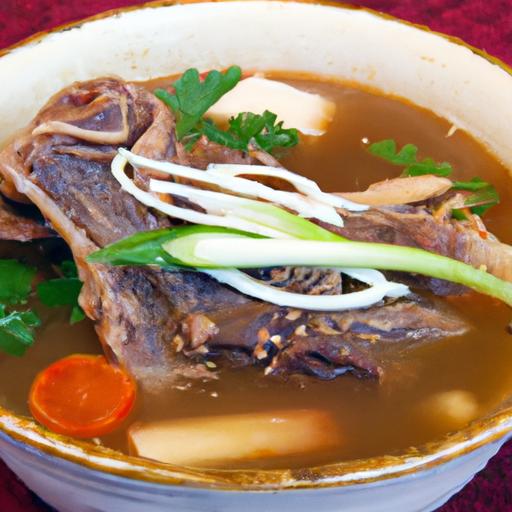
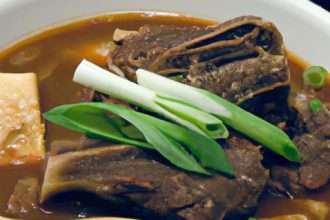

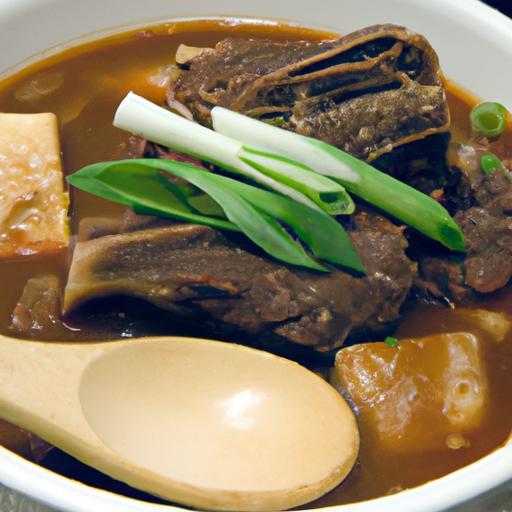
There’s something deeply comforting about a bowl of soup that warms not just the body, but the soul. Among the rich tapestry of Korean cuisine, short rib soup-known as galbitang-stands out as a heartwarming favorite, celebrated for its robust flavors and nourishing qualities. With tender, slow-cooked beef ribs steeped in a clear, savory broth, this dish is a harmonious blend of simplicity and depth. Whether enjoyed as a revitalizing meal on cold days or a special treat that brings families together,Korean short rib soup invites you to savor every spoonful of its hearty goodness. In this article, we’ll explore the origins, key ingredients, and the cultural essence that make galbitang a flavorful delight worth discovering.
Savoring Korean Short Rib Soup is an immersive culinary journey into the heart of Korean tradition, blending centuries-old techniques with comforting flavors that warm both body and soul. This beloved soup, known as Galbitang, has long held a cherished spot on Korean tables-from festive family gatherings to quiet weekday dinners. Rich in symbolism and flavor, it represents hospitality, festivity, and resilience, crafted meticulously from beef short ribs simmered to perfection.
Prep and Cook Time
- Readiness: 20 minutes
- Cooking: 2 hours 30 minutes
- Total Time: 2 hours 50 minutes
Yield
Serves 6 generous portions, ideal for sharing warmth and nourishment with loved ones.
Difficulty Level
Medium – Requires patience and careful layering of flavors but accessible for home cooks with a little experience.
Ingredients
- 3 lbs beef short ribs, bone-in, trimmed of excess fat
- 12 cups cold water
- 1 large Korean radish (mu), peeled and cut into thick chunks
- 1 medium yellow onion, peeled and halved
- 6 cloves garlic, crushed
- 2-inch piece fresh ginger, thinly sliced
- 4 green onions, cut into 3-inch pieces
- 1 tbsp whole black peppercorns
- 2 tsp salt, adjust to taste
- 1 tsp ground white pepper
- 2 tbsp soy sauce
- Optional garnish: sliced egg garnish, chopped green onions, toasted sesame seeds
Instructions
- Blanch the ribs: Place the short ribs in a large pot and cover with cold water. Bring to a rolling boil over high heat. Once boiling, cook for 5 minutes until foam and impurities rise.Drain the ribs and rinse thoroughly under cold running water to remove scum. This step ensures a clear, clean broth.
- Build the broth base: Return the blanched ribs to a clean pot and pour in 12 cups of fresh cold water. Add the Korean radish, onion halves, garlic, ginger slices, green onions, and peppercorns.
- Simmer gently: Bring to a boil, then promptly reduce to a low simmer. Cover partially and simmer for 2 to 2.5 hours, skimming foam every 30 minutes for a crystal-clear finish. Patience here pays off with a broth deep in flavor and pure in color.
- Season and strain: After simmering, carefully remove the ribs and radish chunks. Strain the broth through a fine mesh sieve, discarding solids. Return the ribs to the pot, add soy sauce, salt, and white pepper, tasting and adjusting seasoning as needed.
- Slice the meat: Once ribs are cool enough to handle, thinly slice the meat off the bones. Return the meat to the broth.
- Final heat and garnish: Reheat the soup gently, ensuring the flavors marry without boiling. Pour into serving bowls, garnish with thin sliced egg ribbons (use beaten eggs cooked in a thin omelet and julienned), chopped green onions, and a sprinkling of toasted sesame seeds for extra texture and aroma.
Tips for Success
- Choosing short ribs: Select meaty, well-marbled beef short ribs from a trusted butcher for the richest flavor and tender texture.
- Clarity matters: Blanching ribs and regularly skimming the broth is crucial-this process removes excess fat and impurities for a beautifully clear soup.
- Slow simmering: Maintain a gentle simmer rather than a boil to tenderize the meat slowly and develop richness without cloudiness.
- Make-ahead magic: Prepare the broth a day in advance to allow flavors to fully meld.Refrigerate overnight and skim off solidified fat for a leaner broth.
- Variations: Add soft noodles or cooked rice directly to individual bowls to make the soup heartier, or include a handful of enoki mushrooms for subtle earthiness.
Serving Suggestions and Pairings
To truly savor Korean short rib soup,serve it steaming hot in generously sized bowls. Pair with steamed white rice and crisp, refreshing sides like classic kimchi to cut through the richness with acidity and crunch.A small dish of pickled radish or scallion salad creates luminous textural contrast. For beverages, a chilled glass of Korean rice wine (Makgeolli) complements the hearty broth with its slight sweetness and effervescence.
| Nutrient | Per serving |
|---|---|
| Calories | 345 kcal |
| Protein | 32 g |
| Carbohydrates | 8 g |
| Fat | 18 g |

By embracing this recipe, you don’t just craft a dish-you breathe life into a Korean heritage, enticing you to gather loved ones and create lasting memories through the irresistible warmth of this soul-satisfying soup.
Q&A
Q&A: savoring Korean Short Rib Soup – A Hearty, Flavorful Delight
Q1: What exactly is Korean Short Rib Soup?
A1: Korean Short Rib Soup, known as Galbitang (갈비탕) in Korean, is a clear, savory broth made by simmering beef short ribs for hours until the meat is tender and the flavors are deeply infused. It’s a soulful dish that combines simplicity and richness, traditionally enjoyed to nourish the body and comfort the spirit.
Q2: What makes Galbitang different from other Korean soups?
A2: Unlike spicy stews like Kimchi Jjigae or robust broths like Seolleongtang, Galbitang is prized for its clarity and delicate, yet deeply savory flavor.the long, gentle simmering of beef ribs, sometimes with radish, garlic, and green onions, results in a light-colored, fragrant broth that feels both luxurious and comforting without overwhelming the palate.
Q3: why are short ribs chosen as the main ingredient?
A3: Short ribs are prized for their perfect balance of meat and fat, which melt into the broth during slow cooking. Their rich marbling lends Galbitang its signature hearty depth, while the bones add natural collagen and gelatin, giving the soup a silky texture. This makes every spoonful a rich, satisfying experience.Q4: How is Korean Short Rib Soup typically served?
A4: Galbitang is usually served steaming hot in a large bowl, often accompanied by a bowl of steamed rice and an array of traditional side dishes (banchan), such as kimchi, pickled radishes, and seasoned vegetables. Diners may add salt or pepper to taste, enhancing the subtle broth flavors.
Q5: Is Galbitang only a winter dish?
A5: While its warmth and heartiness make Galbitang a favorite during cold months, its clean, clear broth is refreshing year-round. It’s a nourishing meal that can be enjoyed anytime you crave comfort food that’s both light and satisfying.
Q6: Can I make Galbitang at home, or is it better to try it at a Korean restaurant?
A6: While you can definitely make Galbitang at home-provided you have time for the slow simmering and access to quality beef short ribs-it’s worth visiting a Korean restaurant for an authentic taste. Restaurants often have mastered the art of balancing flavors and textures, presenting a perfectly refined bowl that showcases korean culinary tradition.
Q7: what cultural importance does Galbitang hold?
A7: Galbitang is more than just a dish; it reflects Korean values of patience, nourishment, and hospitality. It’s often prepared for family gatherings or special occasions, symbolizing care and warmth.Sharing Galbitang invites connection, bridging hearty tradition with everyday comfort.
Q8: are there variations of Korean short Rib Soup?
A8: Yes! While the classic Galbitang emphasizes a clear broth, some variations incorporate noodles (making it Galbitang Guksu), or add ingredients like glass noodles and eggs for added texture.Regional recipes may introduce subtle changes, but the essence of tender ribs and clear broth remains central.
Q9: What are the health benefits of Galbitang?
A9: Thanks to its slow-cooked beef and nutrient-rich bones, Galbitang is packed with protein, collagen, and minerals that support joint health and hydration. The light broth is gentle on the stomach, making it an excellent choice for recovery meals or a wholesome, nourishing treat any day.
Q10: How can I best savor Korean Short Rib Soup?
A10: Take your time with each spoonful.Let the warm, beefy aroma envelop your senses. Alternate bites of tender meat with spoonfuls of delicate broth and crisp, tangy side dishes. Savor the harmony of flavors,textures,and warmth-a true comforting embrace from Korean culinary tradition.
Wrapping Up
as the steam rises from a bowl of Korean short rib soup, it carries with it more than just tantalizing aromas-it carries the essence of tradition, comfort, and culinary artistry.Each spoonful is a journey through layers of rich, savory broth and tender meat that speaks to the heart of Korean cuisine. Whether enjoyed on a chilly day or shared among friends and family, this hearty, flavorful delight invites you to savor not just a meal, but a story simmered slowly over time. So next time you seek warmth and depth in a dish, let Korean short rib soup be your flavorful companion, nourishing both body and soul with every satisfying bite.